A new EU report challenges Pakistan’s ‘Good Taliban, Bad Taliban’ policy and highlights links between militant groups…reports Asian Lite News Desk
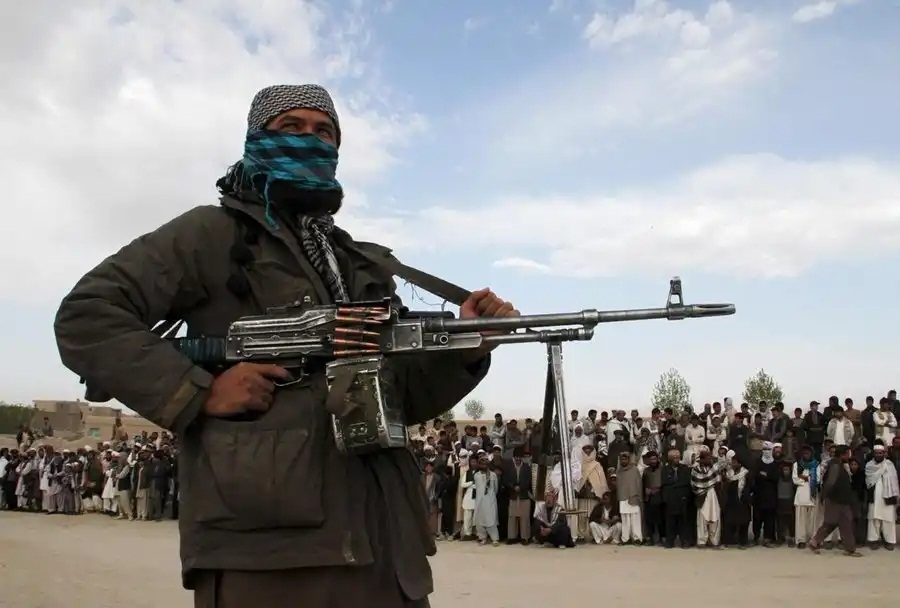
A report by the European Union Agency for Asylum (EUAA) has highlighted links between Pakistan-based militant organisations, including Jaish-e-Mohammed (JeM) and Harakat-ul-Mujahideen, and factions associated with the Tehreek-e-Taliban Pakistan (TTP), challenging Islamabad’s longstanding approach to militant groups, an analysis has said. The findings, discussed by Italian journalist and South Asia expert Francesca Marino, raise questions about Pakistan’s portrayal of the TTP as primarily an Afghan problem.
Writing for Parrhesia News, Marino said the EUAA’s Country Guidance: Pakistan, released on October 1, did not claim that JeM takes orders from the TTP. However, she argued that the report acknowledged a militant landscape in which organisational boundaries are less clear-cut than Pakistan’s official narrative suggests.
“The walls between the organisations have always been porous. Men move, commanders defect, factions merge, seminaries supply recruits to more than one battlefield, and ideological affinities survive changes of name or patronage,” Marino wrote.
Islamabad has for years maintained that the TTP operates from Afghanistan, where militants allegedly find shelter before launching attacks inside Pakistan. Marino described this account as convenient but “incomplete to the point of dishonesty”.
She argued that the presence of militants in Afghanistan did not establish that the country was responsible for the origins of the TTP, which she said emerged from Pakistani commanders, the former tribal areas and decades of the country’s own jihadist policies.
“But geography is not genealogy. The presence of militants in Afghanistan does not make Afghanistan the author of a movement created by Pakistani commanders, rooted in Pakistan’s former tribal areas, and shaped by decades of Pakistani jihadist policy,” it stated.
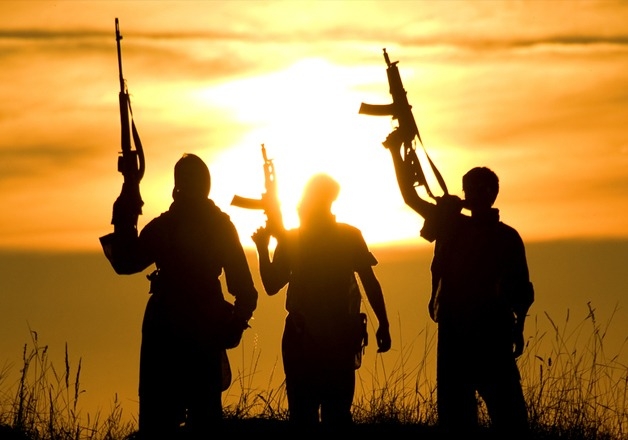
Marino traced Pakistan’s so-called ‘good Taliban, bad Taliban’ approach to the state’s decision to distinguish between militant groups according to their strategic objectives. In her analysis, groups fighting in Afghanistan were treated as useful assets, while those targeting India were viewed as proxies, with the state labelling groups as terrorists when they turned against Pakistan itself.
“The policy assumed that organisations sharing seminaries, clerics, veterans, financiers, and a Deobandi-jihadist vocabulary would respect the filing system of the Inter-Services Intelligence directorate. They did not,” the analysis said.
The article also questioned what it described as inconsistencies in Pakistan’s approach to cross-border militancy. Islamabad has carried out strikes in Afghan territory and urged Kabul to dismantle militant sanctuaries, while JeM’s headquarters in Bahawalpur, which was struck by India, is reportedly being repaired.
Also Read: Tibet’s Fate offers Warning as China Targets Taiwan
“Apparently, the principle that governments are responsible for militant infrastructure on their territory becomes geographically flexible somewhere near the border,” Marino wrote.
The analysis further said that, following Operation Sindoor, JeM had shifted towards dispersing its operations rather than disbanding. It alleged that the group was rebuilding Markaz Subhan Allah in Bahawalpur and expanding its digital fundraising activities.
Marino argued that attributing the TTP threat to Afghanistan allowed Pakistan to present the consequences of its own militant policies as foreign aggression. She said the distinction between ‘good’ and ‘bad’ Taliban had failed because militant organisations did not necessarily recognise the categories imposed on them by the state.
“Pakistan built a proxy system for wars beyond its borders and eventually discovered that borders were the one thing the system did not respect,” Marino contended.