China’s four global initiatives promise cooperation and development, but critics say they could help Beijing challenge US influence and reshape international rules….reports Asian Lite News Desk
China’s four global initiatives are expanding Beijing’s diplomatic ambitions and its efforts to increase influence over international institutions, according to a report examining the country’s foreign policy under President Xi Jinping. The initiatives cover development, security, civilisation and global governance, with critics arguing that they could challenge the existing international order and reduce Western influence.
The Global Development Initiative, Global Security Initiative, Global Civilization Initiative and Global Governance Initiative have become key elements of China’s international engagement. Beijing presents them as frameworks for cooperation, stability and shared prosperity, while critics question whether their underlying purpose is to advance China’s strategic interests.
The initiatives also form part of China’s broader efforts to strengthen its position in organisations such as the United Nations and the World Trade Organization, as well as the BRICS grouping. Beijing has sought to build closer relationships with developing countries by presenting itself as a champion of the Global South.
What are China’s four global initiatives?
The first initiative, the Global Development Initiative, was introduced in September 2021. China says it aims to accelerate progress towards the United Nations’ 2030 Agenda for Sustainable Development.
In 2024, Xi said: “We should play an active and leading role in the global economic governance reform, and make development the core of international economic and trade agenda.”
China claims that more than 130 countries and international organisations support participation in the initiative. It also reported that more than US$23 billion in development funding had been mobilised and over 1,800 cooperation projects launched by June 2026. The report cautions that these figures should be treated carefully, arguing that grants account for only a small proportion of China’s overseas funding.
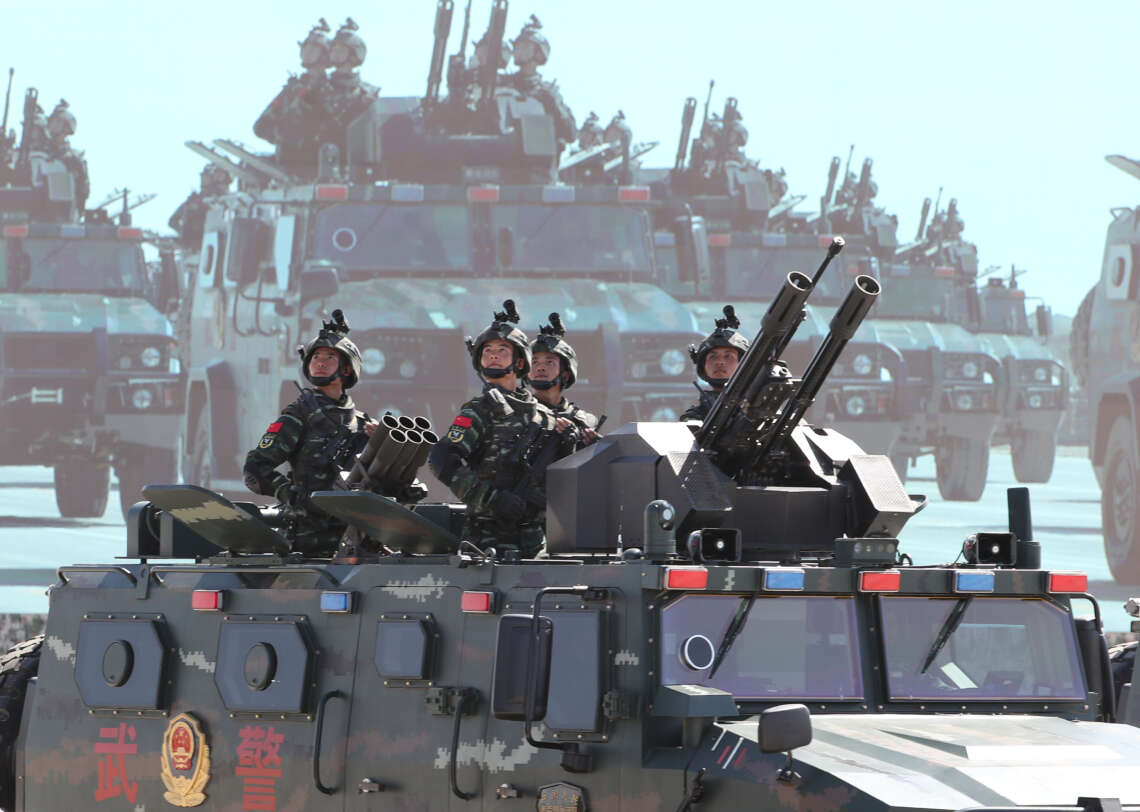
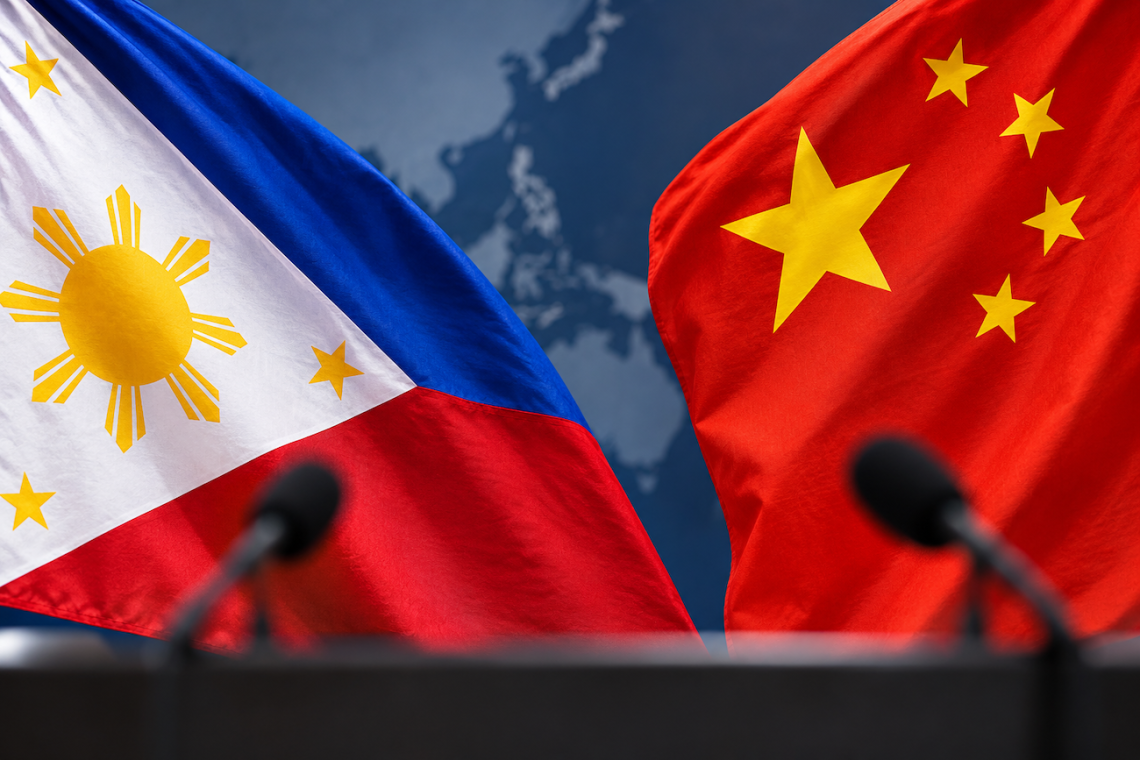
The Global Security Initiative followed in April 2022. Beijing says it promotes peace, stability, respect for national sovereignty and the peaceful resolution of disputes. However, critics point to China’s conduct in the South China Sea, including its disputes with the Philippines, as evidence of a gap between its stated principles and its actions.
The Global Civilization Initiative, launched in March 2023, promotes respect for cultural diversity, shared human values and people-to-people exchanges. Critics question the initiative’s emphasis on common values, citing China’s restrictions on political competition and its treatment of ethnic and religious minorities.
The fourth initiative, the Global Governance Initiative, was introduced by Xi in September 2025. Its stated principles include sovereign equality, international rule of law, multilateralism, a people-centred approach and practical results.
Why are China’s global initiatives drawing criticism?
The report argues that the initiatives could help Beijing challenge the influence of the United States and promote an international system more accommodating to China’s political model.
Charles Parton, chief adviser to the China Observatory and an honorary fellow at the UK-based Council on Geostrategy, examined the initiatives in a report titled China’s Four ‘Global Initiatives’: Attempting to Change the Global Order.
Parton argued that the initiatives reflect the Chinese Communist Party’s ambition to increase its global influence and challenge the United States’ position as a leading power.
“The four global initiatives are built upon a base of opposition to the US and upon the CCP’s ambition to replace it as the dominant world power and arbiter of values,” he wrote.
The report also highlights tensions between Beijing’s stated support for international law and its response to the 2016 South China Sea arbitration ruling, which rejected key elements of China’s maritime claims against the Philippines.
Parton argues that China’s approach to international governance allows it to invoke principles such as sovereignty and non-interference when they support its interests, while rejecting external criticism when it does not.
How could the initiatives affect global relations?
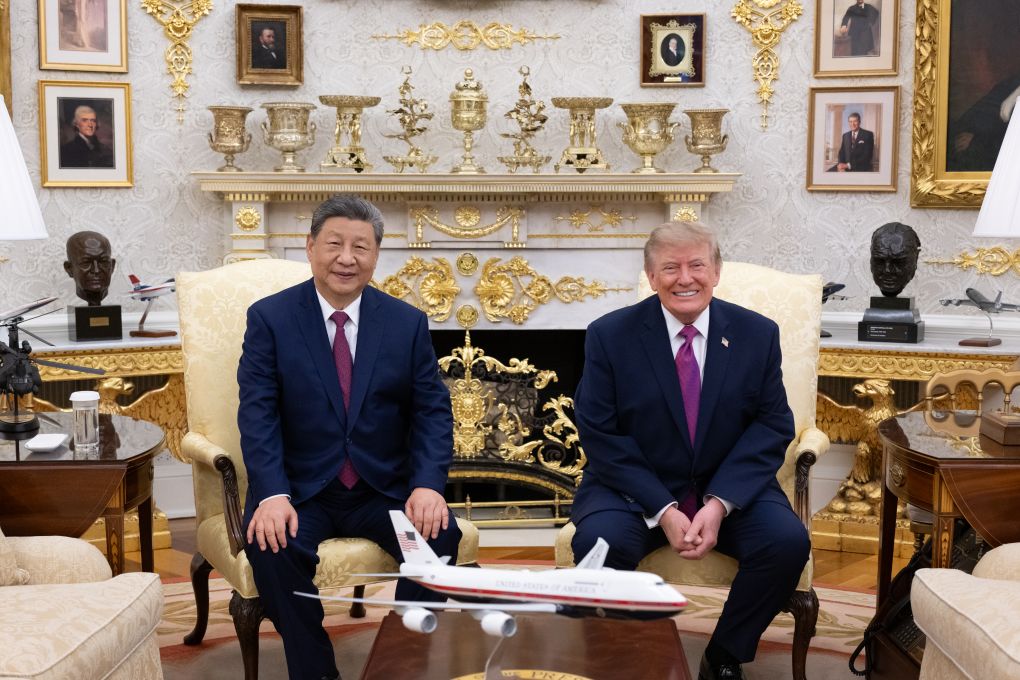
China’s growing diplomatic engagement has attracted support from countries seeking investment, development funding and stronger economic ties. Its outreach has also gained significance as US tariffs and cuts to foreign assistance have affected perceptions of Washington’s international role.
Parton said many countries would seek to maintain relations with both China and Western nations, with their choices influenced by dependencies in areas such as technology, telecommunications, industry, critical resources and artificial intelligence.
He urged Western governments to improve their public diplomacy and communicate more effectively about China’s international funding and the risks associated with certain forms of lending.
Parton also argued that middle powers should pursue reforms to global governance and offer alternatives to Beijing’s proposals.
He warned that China’s expanding influence could eventually give it greater control over other countries’ economic and foreign policy choices.
The report concludes that the long-term impact of China’s initiatives will depend on how Beijing uses its growing international influence and how other countries respond to its proposals for reshaping global governance.