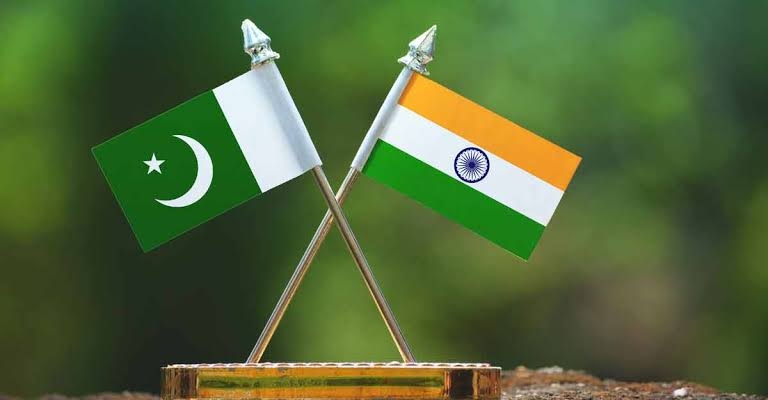
Pakistan has suffered estimated economic losses of $40 billion since suspending trade with India in 2019, with businesses facing higher import, transport and logistics costs…reports Asian Lite News Desk
Pakistan has incurred an estimated $40 billion in economic losses since trade with India was suspended in 2019, as businesses struggle with rising sourcing and transportation costs, according to a report citing the chairman of the Pak-India Business Council.
Noor Muhammad Qasuri said the disruption of commercial ties following the Pulwama terror attack and subsequent tensions had forced Pakistani businesses to source goods from more distant markets, increasing freight charges, delivery times and overall import costs.
He said Pakistan’s pharmaceutical industry, which previously depended on India for raw materials, could save between $2 billion and $3 billion annually if imports from its neighbouring country resumed.
The textile sector has also faced additional costs following a decline in domestic cotton production. Qasuri estimated the resulting burden at $5 billion, with mills increasingly sourcing cotton from Brazil, Egypt, China and the United States.
Farmers in traditional cotton-growing regions are also switching to sugarcane cultivation, a trend that could further aggravate the country’s cotton supply challenges.
Which sectors could benefit from renewed trade?
Qasuri said Pakistan was importing several products, including sugar, fertiliser, cement, petroleum products, iron and steel, vegetables and heavy machinery, from distant markets despite India’s production capacity in these sectors.
Resuming bilateral trade could reduce transportation expenses, improve supply chains and lower import costs for businesses. Indian oil refineries, being geographically closer to Pakistan, could also offer a more cost-effective source of petroleum products.
Greater access to Indian agricultural and industrial goods could help reduce production costs across several Pakistani industries, he added.
The suspension has also affected people-to-people connections, with Pakistan losing Indian tourists who previously visited religious and historical sites, as well as ancestral homes and villages.
Qasuri said the historical, cultural and family ties shared by the two countries could provide a foundation for improving bilateral relations.
He also cited India’s financial assistance to Sri Lanka during its economic crisis as an example of regional economic cooperation, highlighting the potential benefits of closer economic engagement between neighbouring countries.