Thousands of garment workers are protesting across Bangladesh, demanding a sharp increase in minimum wages as factory closures and clashes with police disrupt production….reports Asian Lite News Desk
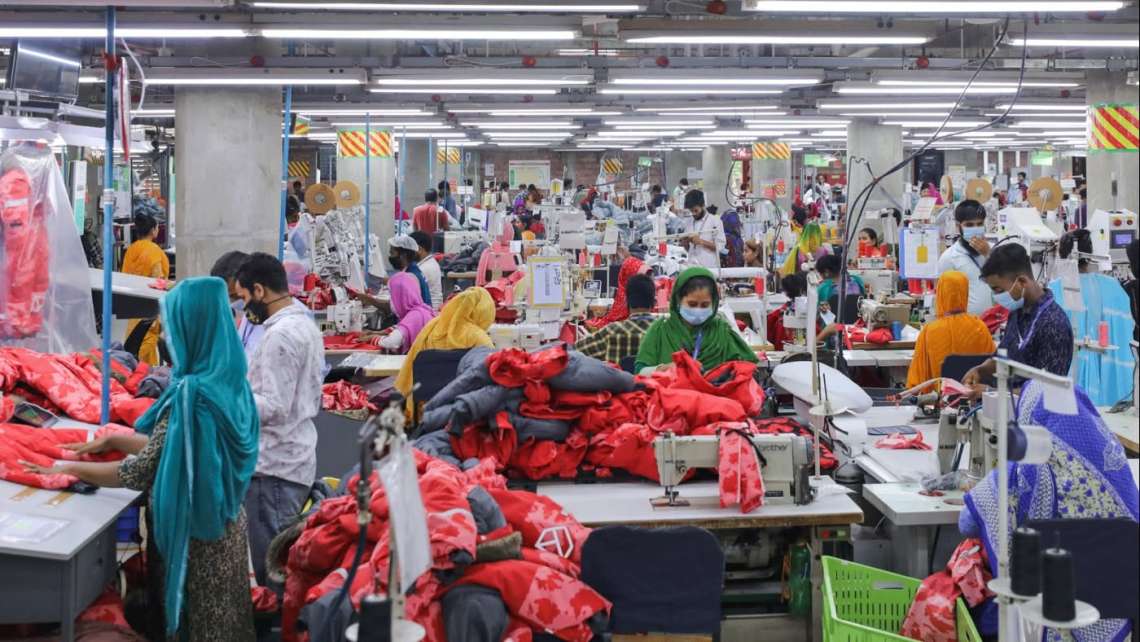
Bangladesh’s garment industry is facing growing disruption as workers continue protests over wages, with clashes with police reported in Dhaka and hundreds of factories suspending operations across major industrial areas.
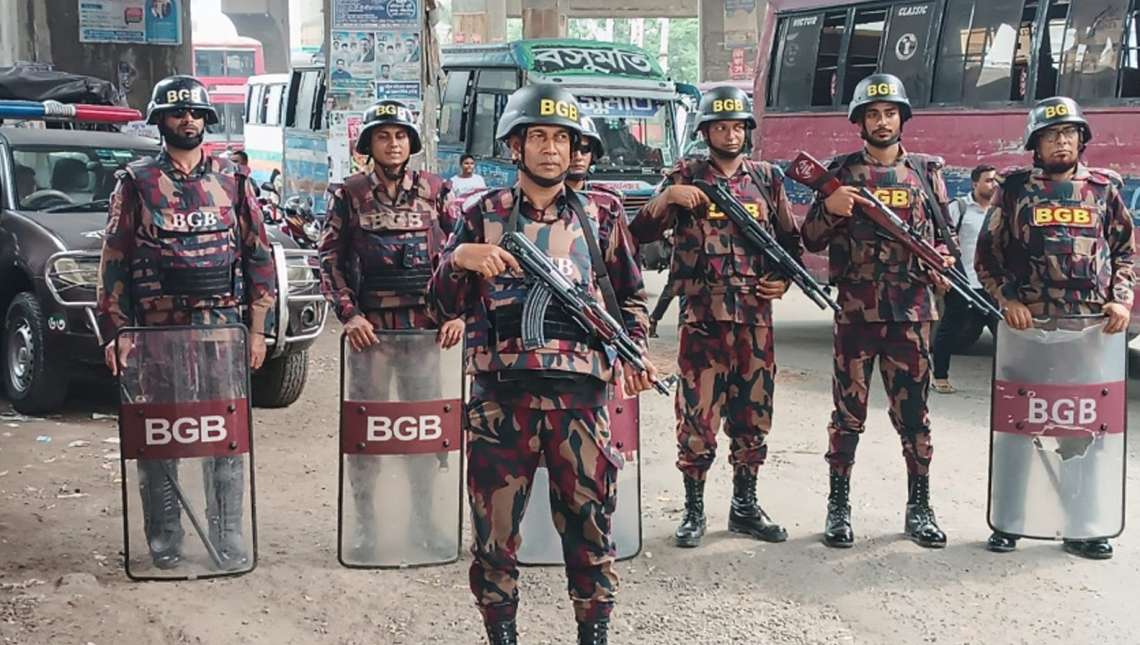
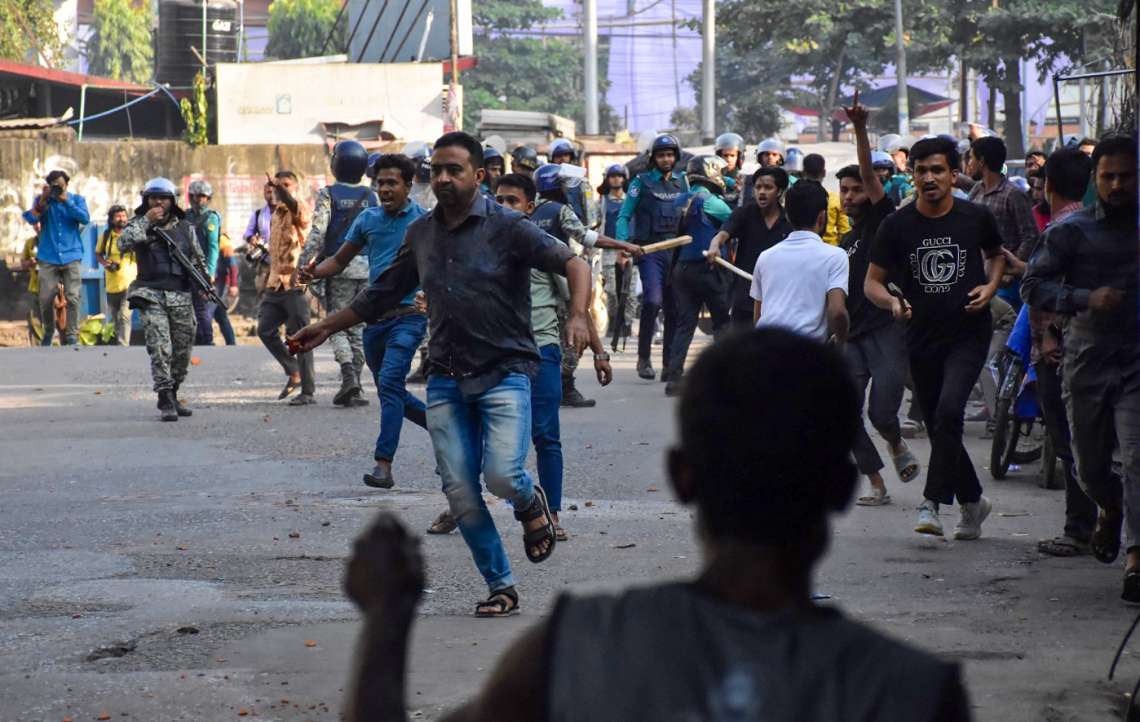
Workers took to the streets again on Tuesday, prompting law enforcement personnel to use tear gas and sound grenades to disperse demonstrators, according to local media reports.
More than 500 ready-made garment (RMG) factories in Mirpur, Savar, Gazipur, Ashulia and Mymensingh have reportedly closed following demonstrations over demands to raise the monthly minimum wage from Tk 12,500 (less than Rs 9,500) to Tk 30,000 (around Rs 22,767), according to The Daily Star.
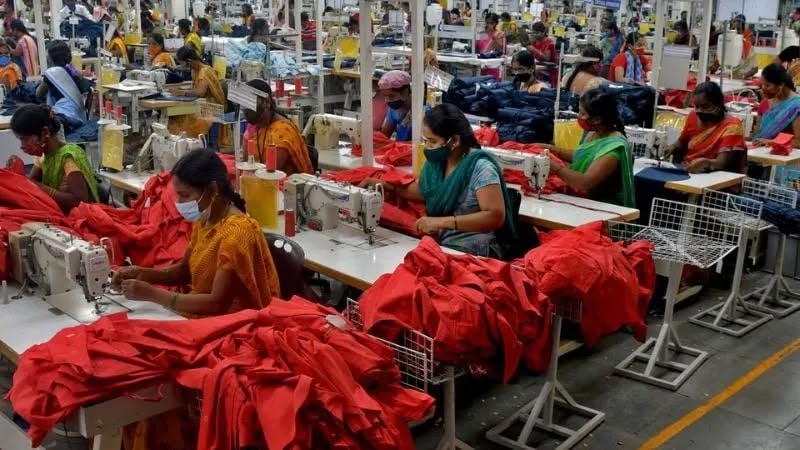
The protests have intensified amid rising living costs, with workers arguing that existing wages have failed to keep pace with inflation and increasing prices of food and other essential goods.
A report in The Daily Star noted that inflation over the past three years had significantly reduced workers’ purchasing power, making a revision of the wage structure increasingly important.
“Therefore, their demand for a revised wage structure cannot be seen solely as a request for more money, but rather as an attempt to regain their ability to afford necessities. Besides, since 1985, which was more than four decades ago, wages in this sector have been revised only six times, increasing from Tk 627 to Tk 12,500,” the report said.
The government has established a six-member wage board comprising representatives of workers, employers and the administration to review the existing pay structure and recommend revisions.
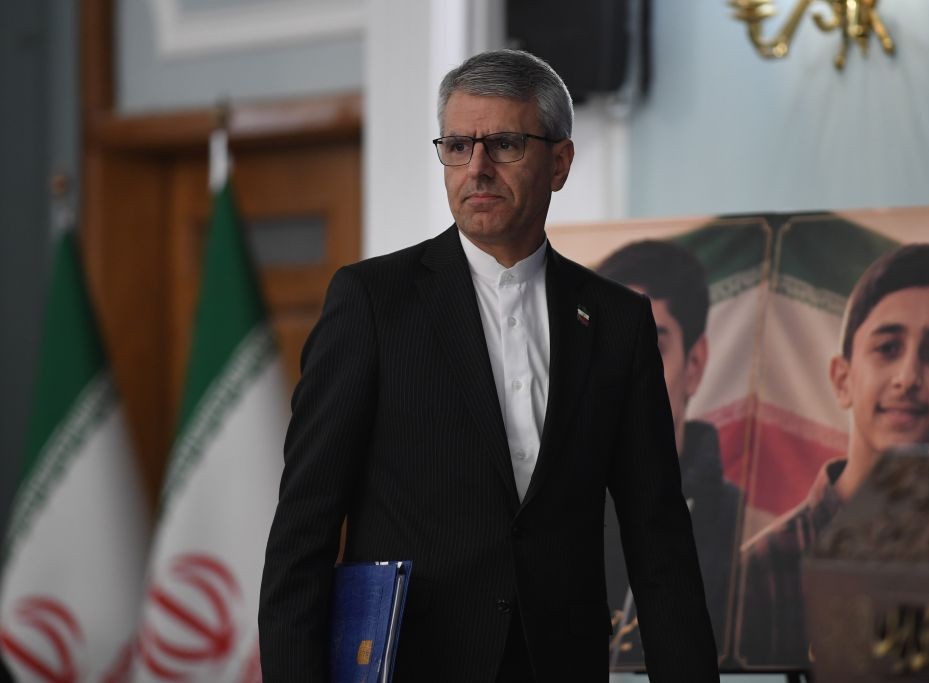
Prime Minister’s Information Adviser Zahed Ur Rahman said the government was sympathetic to workers’ concerns amid rising living costs and was taking steps to address their demands.
However, Rahman also accused the opposition of contributing to instability, according to Bangladesh’s The Business Standard. He said the violent conduct of some individuals during the demonstrations could not be considered representative of garment workers.
Asked about the banned Awami League’s alleged involvement in the unrest, Rahman said he did not believe the party could achieve significant political gains or create conditions for the return of deposed former prime minister Sheikh Hasina in December.
The demonstrations, which began in late October, have spread across major garment manufacturing hubs, resulting in factory closures, road blockades and confrontations with security personnel.
Workers have also pointed to recent salary revisions for public-sector employees as justification for higher wages in the private sector. Factory owners, however, have warned that a substantial increase would be difficult to absorb amid rising production costs, energy shortages, weaker global demand and pressure from international buyers to maintain competitive prices.
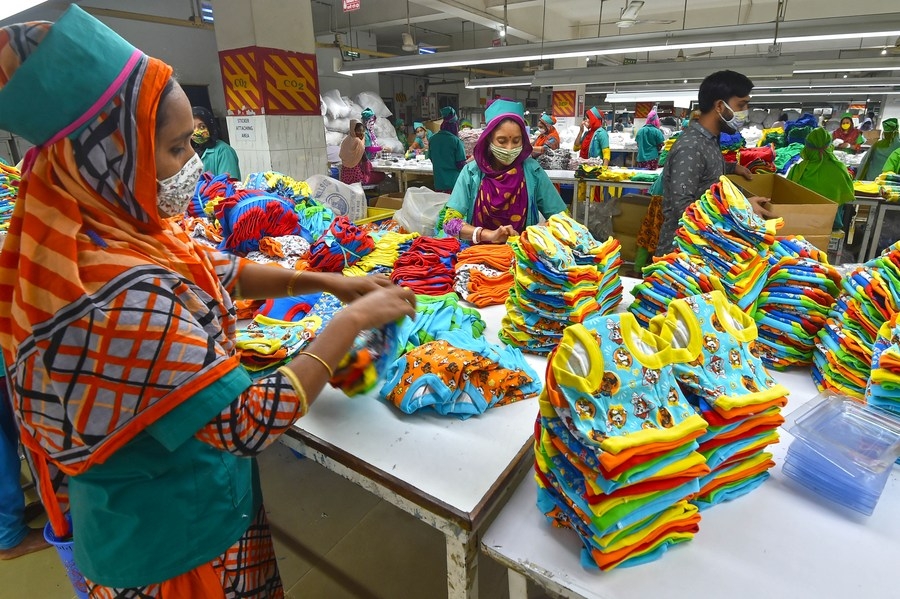
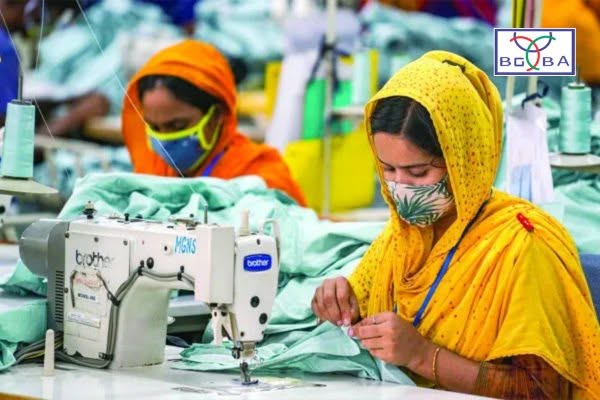
The unrest poses a challenge to Bangladesh’s export-led economic model, which relies heavily on the garment industry. The sector employs approximately four million people, contributes around 10 per cent of national GDP and generates more than 80 per cent of the country’s export earnings.
Bangladesh is the world’s second-largest apparel exporter after China. Garment exports reached approximately $38.7 billion in the 2025-26 financial year, with products reaching more than 150 countries. The industry has also played a significant role in bringing millions of women into the workforce and supporting poverty reduction.
However, competition is intensifying. Vietnam has emerged as a major rival, benefiting from trade agreements, improved logistics and higher productivity. Although its labour costs are generally higher, greater efficiency and value-added manufacturing have strengthened its position in international markets.
India also has a substantial textile industry, supported by a large domestic cotton base and manufacturing capacity spanning raw materials to finished garments. However, fragmented production structures and regulatory complexities have limited its ability to capture orders shifting away from China, although recent reforms and supply-chain investments are beginning to address these challenges.
The continuing wage dispute therefore presents Bangladesh with a difficult balancing act: addressing workers’ demands while preserving the competitiveness of an industry central to its economy and international trade.