
Manufacturing strength, expanding digital markets and rising regional trade are making Asia a major force in the global economy, but stronger household spending will be vital to sustaining growth….reports Asian Lite News Desk
Asia continues to play a crucial role in driving global economic growth, backed by its extensive manufacturing networks, expanding digital economy and vast consumer markets. However, sustaining this momentum will depend on ensuring that economic expansion translates into higher household incomes, stronger purchasing power and increased savings, according to an article in India Narrative.
Citing the International Monetary Fund’s (IMF) Regional Economic Outlook for Asia and the Pacific, the article highlights the economic pressures that external shocks can create for countries across the region. It argues that the challenge is not international integration itself, but excessive dependence on external demand without sufficiently strong domestic economic foundations.
When export orders weaken, businesses may cut production and recruitment. Where household purchasing power is already limited, domestic consumption may not be strong enough to compensate for the decline, the article notes.
It argues that investment should achieve more than simply increasing output. It should also improve productivity, develop local suppliers, strengthen small businesses and equip workers with better skills.
The quality of economic growth, it adds, should be measured through indicators such as real wages, employment conditions, household debt, savings and consumption, rather than gross domestic product (GDP) alone. Rising inflation can also erode the benefits of economic expansion when the costs of food, energy, housing and transport increase faster than household incomes.
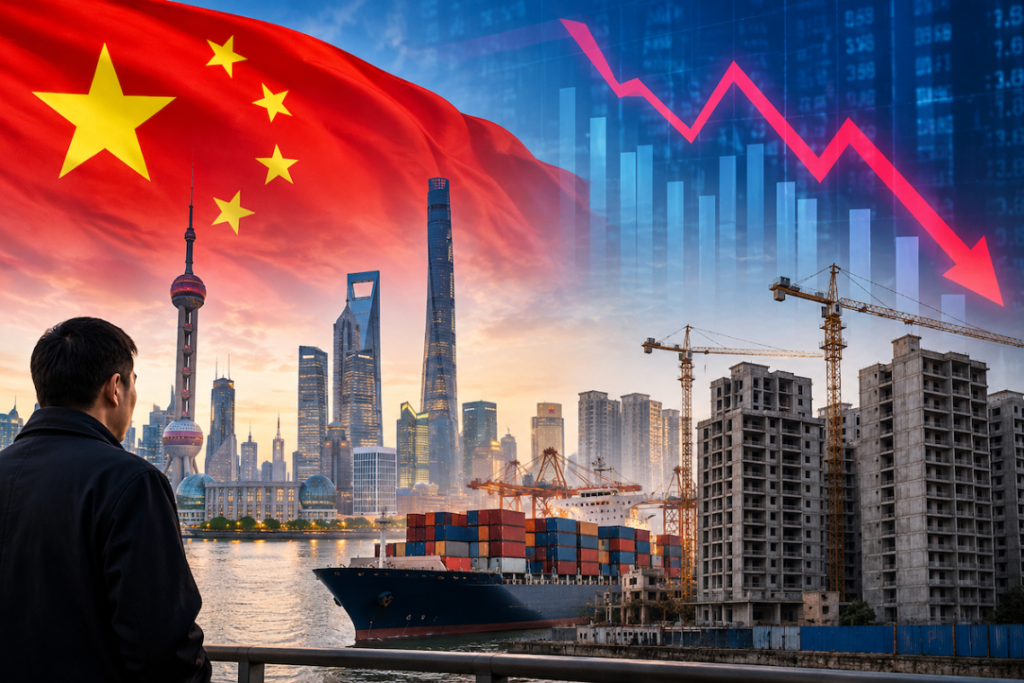
The article points to China as an example of how strong productive capacity does not necessarily translate into higher domestic consumption. Weak household confidence and challenges in the property sector have complicated efforts to strengthen domestic demand.
The wider lesson for Asia is that economic security plays an important role in shaping consumer behaviour. When households fear potential income losses, they tend to postpone purchases and increase precautionary savings, affecting business revenues and investment.

Asia’s diverse strengths offer scope for stronger regional cooperation
The article highlights Asia’s distinctive advantages in an increasingly fragmented global economy, including its manufacturing capabilities, resource-rich economies, large consumer markets, technological strengths and expanding regional trade.
China remains a major industrial centre, while India offers a vast domestic market and a growing services sector. Southeast Asian economies connect regional production networks with natural resources, logistics infrastructure and emerging consumer demand.
Australia and other regional partners contribute energy, minerals, agricultural products and specialised industrial capabilities.
These complementary strengths could help Asia develop more diversified and resilient supply chains by deepening practical regional cooperation rather than relying excessively on any single external market or major power.
The article adds that improved cross-border infrastructure, predictable investment rules, technology transfers and cooperation in energy and digital systems could reduce economic vulnerabilities while creating wider opportunities for growth across the region.