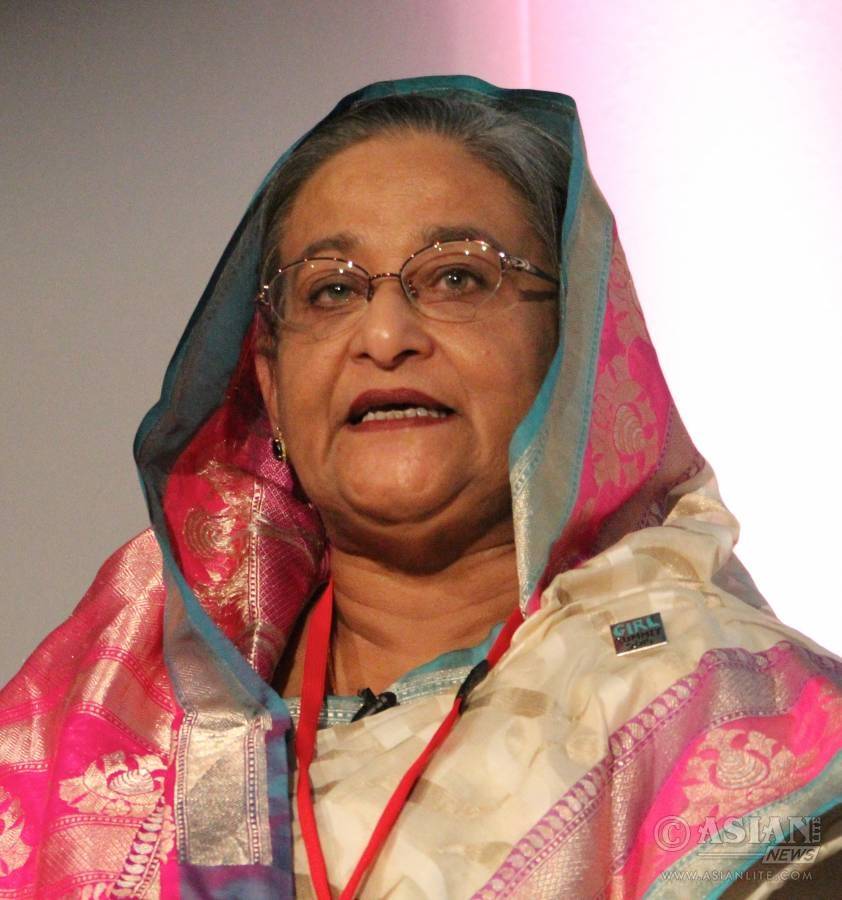
Sheikh Hasina has accused Bangladesh’s authorities of failing to protect religious minorities, citing attacks on homes and places of worship and growing insecurity….reports Asian Lite News Desk
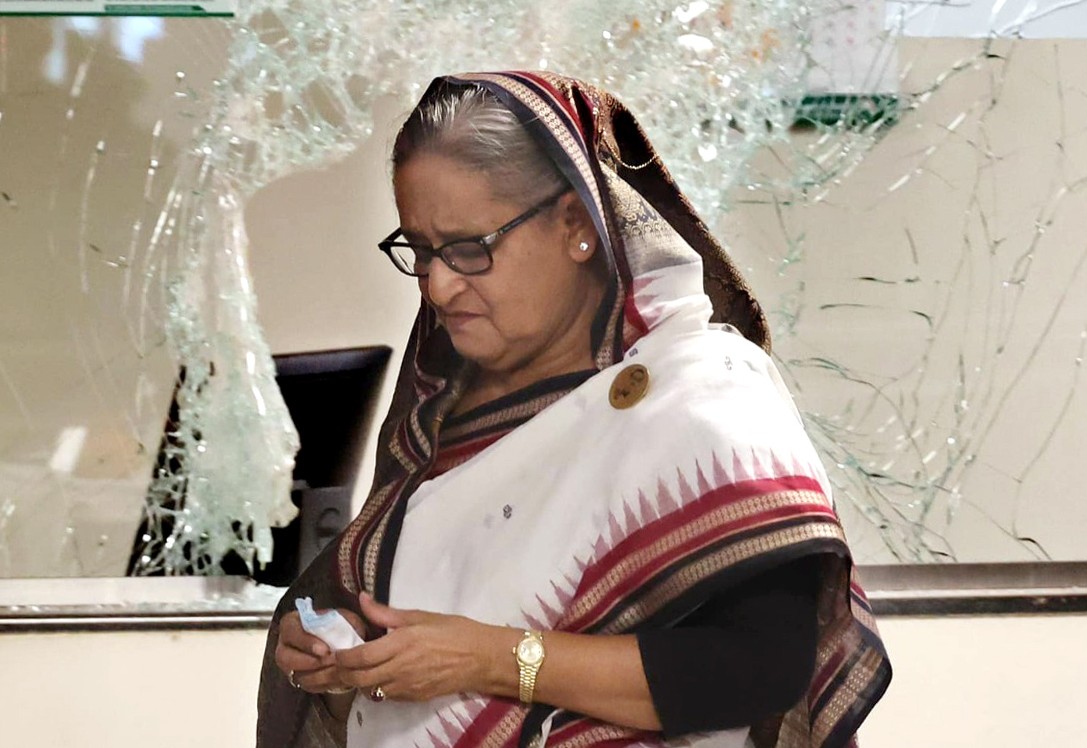
Former Bangladesh Prime Minister Sheikh Hasina has expressed serious concern over alleged attacks on religious minorities, including Hindus, Buddhists and Christians, warning that growing insecurity and deteriorating law and order have left communities living in fear. She has also accused the country’s authorities of prioritising political vendetta against Awami League leaders over addressing the problems faced by ordinary citizens.
In an exclusive audio interview with IANS, Hasina said attacks on minority communities, their homes and places of worship continued to raise concerns about the safety of religious groups in Bangladesh.
“I am deeply concerned about what is happening to religious minorities in Bangladesh. Hindus, Buddhists, Christians, and people of every faith are equal citizens of our country. They have the same right to live safely, practice their religion, and protect their families and property. Unfortunately, we continue to hear about attacks on minority communities, their homes and places of worship. Many families no longer feel secure,” she said.
Highlighting what she described as a painful example of the treatment of minorities, Hasina referred to the case of Hindu religious leader Chinmoy Krishna Das, who was denied parole to meet his seriously ill mother but was reportedly granted five hours of parole only after her death to attend her funeral.
“Let me mention one painful incident. Chinmoy Krishna Das remained in prison while his mother was seriously ill. His family wanted him to see her before she died, but that did not happen. Only after her death was he granted five hours of parole to attend her funeral. During our government, we worked to maintain religious harmony. I wanted people of every religion to feel that Bangladesh was equally their home,” the former Prime Minister told IANS.
Das, spokesperson for the Bangladesh Sammilito Sanatani Jagaran Jot, remains in custody despite securing bail in two cases, with his release blocked by two other cases.
He was arrested in Dhaka on November 25, 2024, and sent to jail the following day after a Chattogram court rejected his bail plea. His arrest triggered widespread protests among Hindu communities in Bangladesh and abroad.
India had previously expressed serious concern over his arrest and repeatedly urged the Bangladeshi authorities to ensure the safety and security of Hindus and other minority communities.
Hasina called on the international community to pay closer attention to the situation, demanding impartial investigations into attacks on minorities and legal action against those responsible.
“The international community should pay close attention to what is happening. Attacks against minorities must be investigated impartially. Those responsible must face justice. Every citizen must receive equal protection under the law. Religious identity should never determine whether a person can live safely in their own country,” she said.
Hasina accuses authorities of prioritising political vendetta
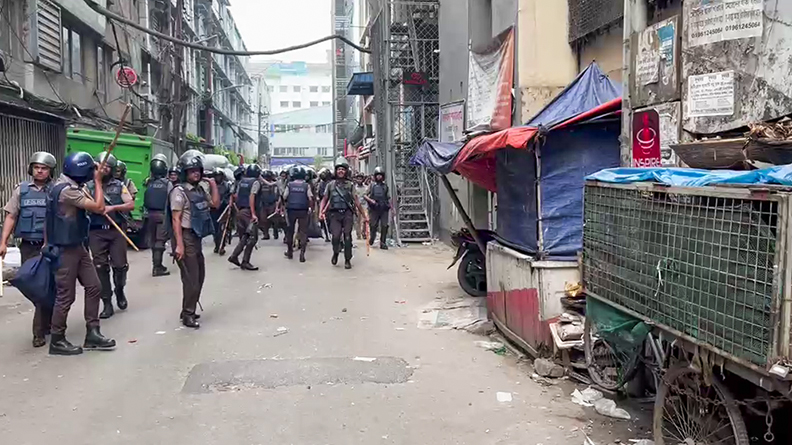
The former Prime Minister also expressed concern over what she described as a deteriorating law and order situation in Bangladesh, citing extortion, mob violence and attacks on women and minority communities.
She accused the authorities of focusing on prosecuting Awami League leaders and workers rather than addressing the security and economic concerns of ordinary citizens.
“Law and order is another major concern. Extortion, mob violence, and attacks on women and minorities continue to cause fear. People want security, employment, and the opportunity to live with dignity. Yet, the authorities appear more interested in prosecuting Awami League leaders and workers than in addressing these problems. They are neglecting our people,” Hasina said.
She argued that the performance of a government should be assessed by its ability to protect citizens and improve their living conditions, rather than its pursuit of political opponents.
“A government should be judged by how it treats its people and whether it can improve their lives. I believe Bangladesh needs to move away from political revenge and concentrate on the problems ordinary citizens are facing. That is what a responsible government should do,” she added.
Hasina’s remarks come amid continuing political tensions and concerns over the safety of minority communities in Bangladesh. Her comments also underline the deep political divisions surrounding the country’s governance and the treatment of opposition figures following the change in power.