The US Senate has approved bipartisan legislation to speed up energy and infrastructure projects, reduce regulatory delays and create jobs, paving the way for further consideration in the House of Representatives…reports Asian Lite News Desk
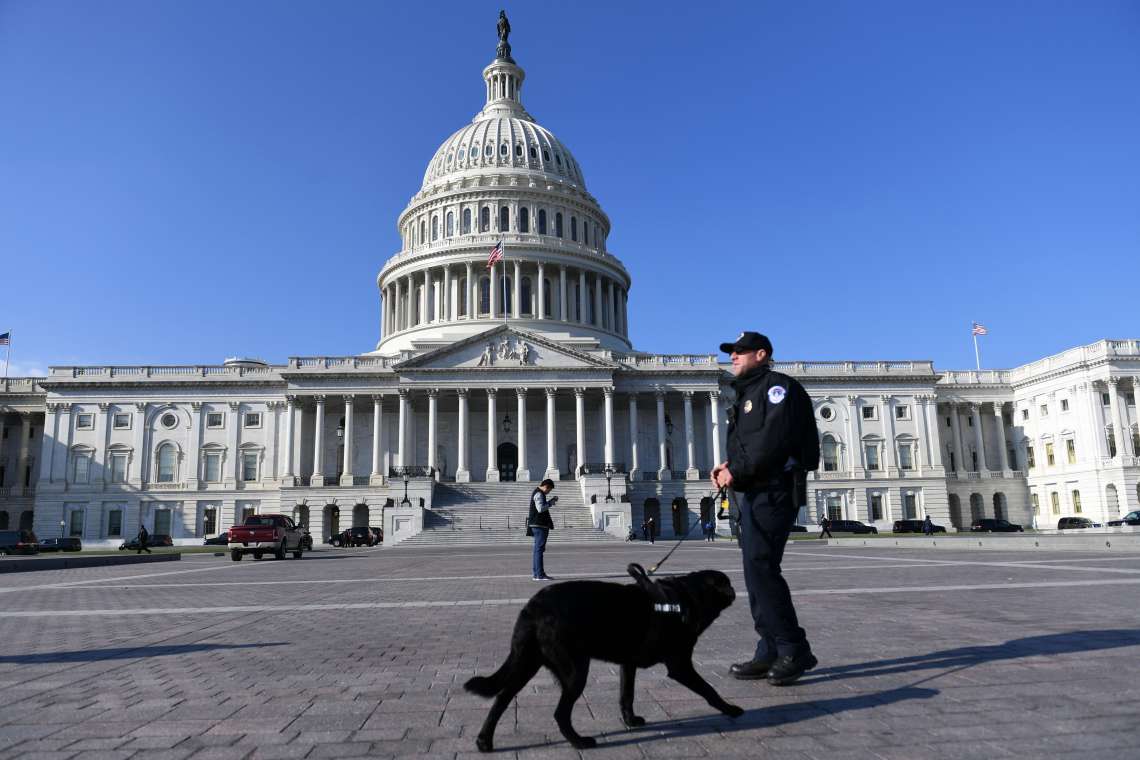
The US Senate has passed the Bipartisan American Affordability and Jobs Act of 2026, a legislation aimed at speeding up energy and infrastructure projects, reducing regulatory delays and supporting job creation across the country.
The bill introduces changes to federal permitting procedures, environmental reviews and electricity transmission planning. Supporters say the reforms will make it easier to develop energy projects, improve infrastructure delivery and reduce costs for American households.
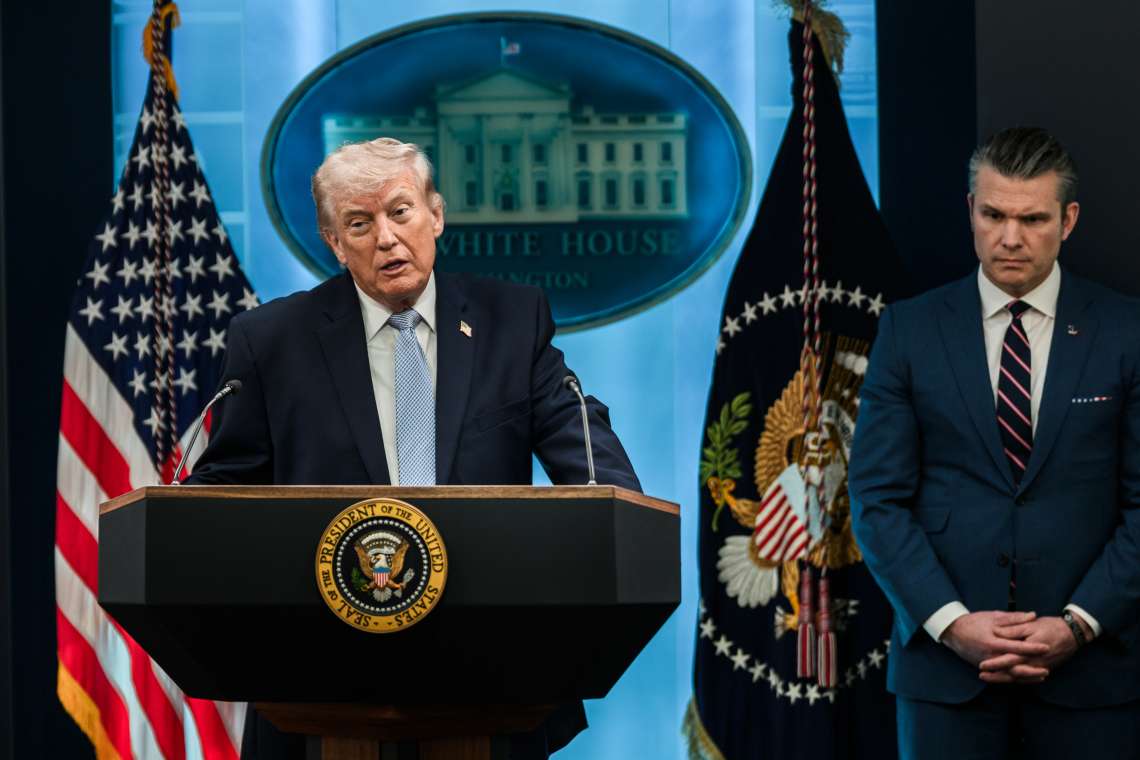
US Senator John Barrasso, a Republican from Wyoming, welcomed the Senate’s approval, describing the legislation as a boost for energy production and employment in his state and across the country. He urged the House of Representatives to pass the bill quickly so it can be sent to President Donald Trump for approval.
“Today, the Senate passed bipartisan permitting reform legislation that will unleash Wyoming energy, lower energy costs, and create jobs across our state. It’s a win for Wyoming and for America,” Barrasso said.
He argued that lengthy federal approval procedures have held back critical infrastructure projects, particularly in energy-producing states such as Wyoming.
Barrasso described Wyoming as a major source of coal, oil, natural gas and uranium, adding that the existing permitting system had created obstacles for energy workers and producers seeking to expand output.
The senator said he had worked with former senator Joe Manchin during the previous Congress to develop the bipartisan Energy Permitting Reform Act. The newly passed legislation builds on elements of that earlier proposal.
According to the bill’s provisions, the Bipartisan American Affordability and Jobs Act introduces reforms across several federal approval and infrastructure review processes, including the National Environmental Policy Act (NEPA), environmental regulations and electric grid planning.
The legislation seeks to establish clearer timelines, predictable milestones and enforceable deadlines for federal environmental reviews. It also aims to prevent previously issued permits from being withdrawn without justification based on significant new problems or violations of federal law.
Under the proposed changes, delays beyond statutory deadlines would need to be justified under specified reasonable circumstances.
The bill also includes provisions intended to simplify oil and gas permitting in split-estate basins, where mineral rights and surface ownership are held separately. It addresses the Rosemont decision, which restricted ancillary mining activities on mining leases.
Another key element seeks to limit what supporters describe as frivolous legal challenges that can delay or obstruct energy and infrastructure projects.
Barrasso said the reforms would reduce federal red tape, streamline environmental assessments and curb prolonged litigation.
“It will help us build better, faster, cheaper, and smarter, and lower energy costs for American families,” he said.
The legislation aims to support responsible energy development while maintaining protections for natural resources and federal lands. Its next step is consideration by the House of Representatives before it can reach the president’s desk.
ALSO READ- Xi Calls for Greater Unity Across Asia-Pacific Region