Secretary-General Kao Kim Hourn urges ASEAN members to prioritise prevention, preparedness and regional cooperation as climate change intensifies disaster risks….reports Asian Lite News Desk
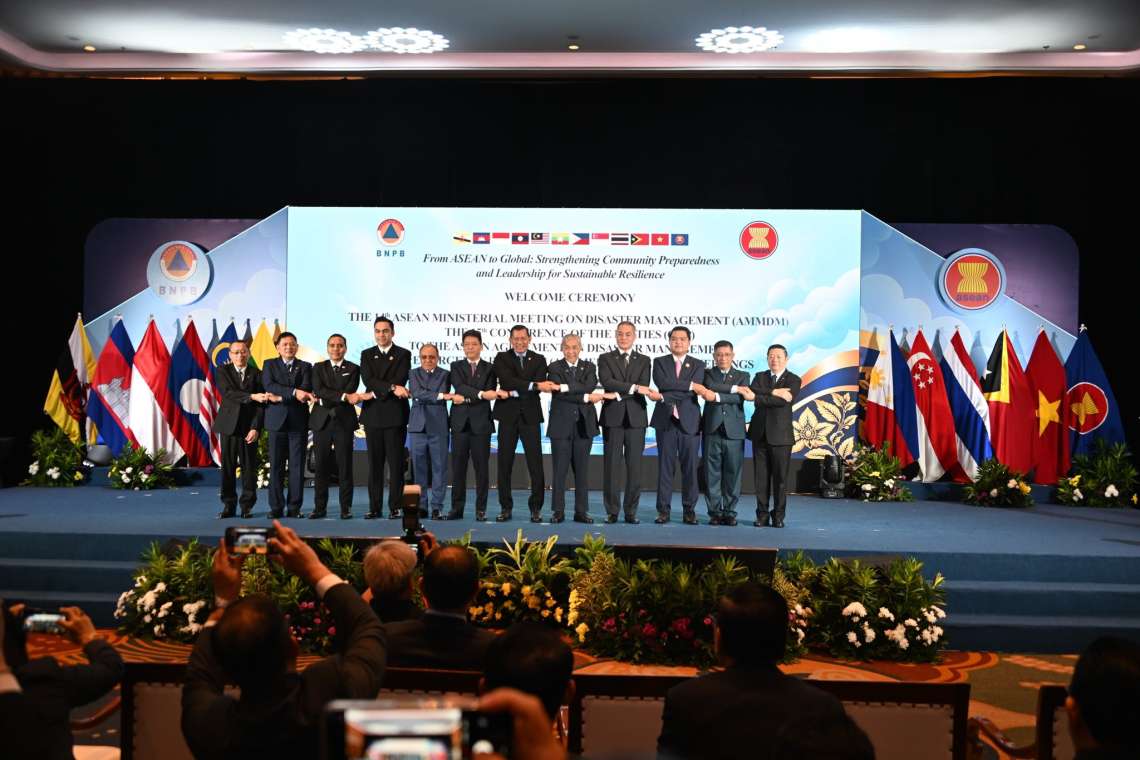
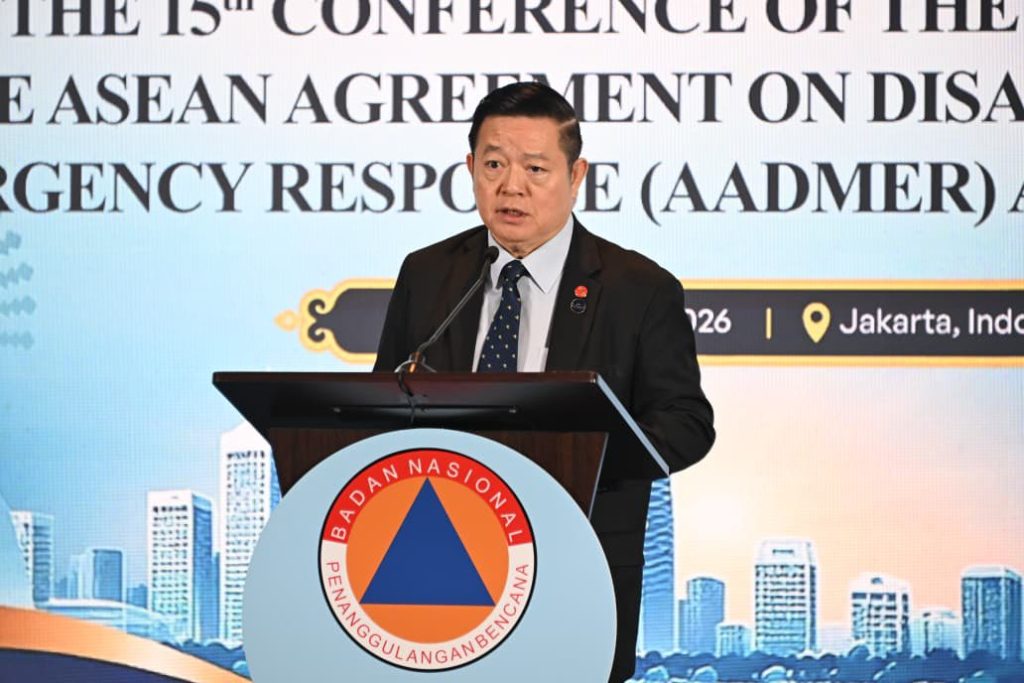
ASEAN Secretary-General Dr Kao Kim Hourn has called for stronger regional cooperation, community preparedness and investment in disaster resilience as Southeast Asia faces increasingly complex threats from climate change, rapid urbanisation and technological vulnerabilities. Addressing the 14th ASEAN Ministerial Meeting on Disaster Management (AMMDM) and the 15th Conference of the Parties to the ASEAN Agreement on Disaster Management and Emergency Response (AADMER) in Jakarta, he stressed the need to prioritise prevention and preparedness rather than relying solely on emergency responses.
Speaking at the welcome ceremony on 25 November 2026, Dr Kao highlighted the importance of collective action in strengthening the region’s ability to manage disasters and provide humanitarian assistance.
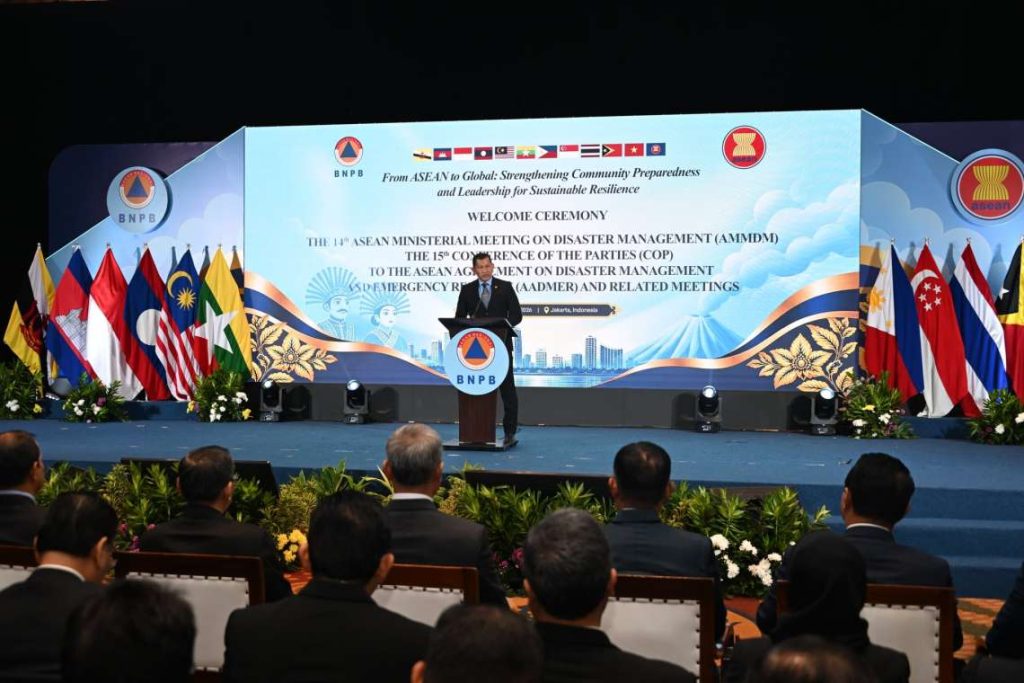
He commended Indonesia for its leadership in advancing ASEAN’s disaster resilience agenda during 2026 under the theme, ‘From ASEAN to Global: Strengthening Community Preparedness and Promoting Leadership for Sustainable Resilience’.
He also thanked the Indonesian government for hosting the meetings and acknowledged the continued commitment of ASEAN member states to regional cooperation in disaster management.
The Secretary-General began his remarks by expressing condolences over the loss of life and injuries in a fire-related incident at a candy factory in Serang, Banten Province, on 21 November 2026. He extended sympathies to the families of those who died and wished those injured a speedy recovery.
Highlighting the wider disaster risks facing Southeast Asia, Dr Kao described the region as one of the most disaster-prone in the world. He said climate change was contributing to more frequent and severe natural disasters, while rapid industrial urbanisation and technological vulnerabilities were creating additional challenges.
He called for a forward-looking approach focused on prevention, preparedness and resilience, noting that disaster management must become an integral part of the region’s development priorities.
Why is regional disaster preparedness becoming urgent?
Dr Kao identified the ASEAN Agreement on Disaster Management and Emergency Response as the cornerstone of regional cooperation in managing disasters.
The AADMER Work Programme 2026–2030 has entered its first year of implementation, providing a framework for strengthening collective disaster management efforts across member states. He said effective implementation would be essential to translating regional commitments into practical action and meaningful results.
He also linked disaster resilience to the ASEAN Community Vision 2045, which aims to establish a resilient, innovative, dynamic and people-centred regional community.
According to Dr Kao, disasters threaten not only lives and livelihoods but also economic and social development. Major disasters can reverse years of progress, disrupt economic activities and place additional pressure on vulnerable communities.
He urged ASEAN members to incorporate disaster management into their broader development policies, planning and investment decisions.
The Secretary-General also highlighted the 10th anniversary of the ASEAN Declaration on One ASEAN, One Response, which promotes a coordinated regional approach to disaster response and humanitarian assistance.
Over the past decade, the initiative has strengthened ASEAN’s collective capacity to respond to emergencies through unity, solidarity and cooperation. Dr Kao said the experience gained through the initiative and AADMER offered valuable lessons that could help ASEAN become a global leader in disaster management.
He encouraged the region to share its experiences, promote effective practices and contribute to shaping the global disaster risk reduction agenda as it works towards the 2045 vision.
Dr Kao also commended Indonesia for developing 10 outcome documents during its leadership of the regional disaster resilience agenda. These included work plans with China, Japan, the Republic of Korea and the United Nations for 2026–2030, aimed at supporting further cooperation in disaster management.
He acknowledged the Philippines for its contribution to ASEAN’s disaster resilience efforts, particularly through hosting the ASEAN Ministerial Conference on Disaster Resilience and developing related outcome documents.
He said these initiatives would help improve coordination among existing ASEAN mechanisms and called for the commitments to be translated into concrete benefits for member states and their populations.
The Secretary-General also referred to ASEAN Day on Disaster Management and the International Day for Disaster Risk Reduction, describing both commemorations as reminders that building resilience is an ongoing shared responsibility.
He emphasised that preparedness must begin with individuals, families and communities, supported by effective institutions and strong regional cooperation.
Concluding his remarks, Dr Kao expressed confidence that continued commitment from ASEAN member states and their partners would strengthen the region’s disaster management capacity, reinforce regional solidarity and contribute to a more resilient and sustainable future.
He wished delegates productive deliberations at the meetings.