August 12, 2020
3 mins read

Talibanisation of the Sikh faith!

by © 2011 Dmitry Rukhlenko.
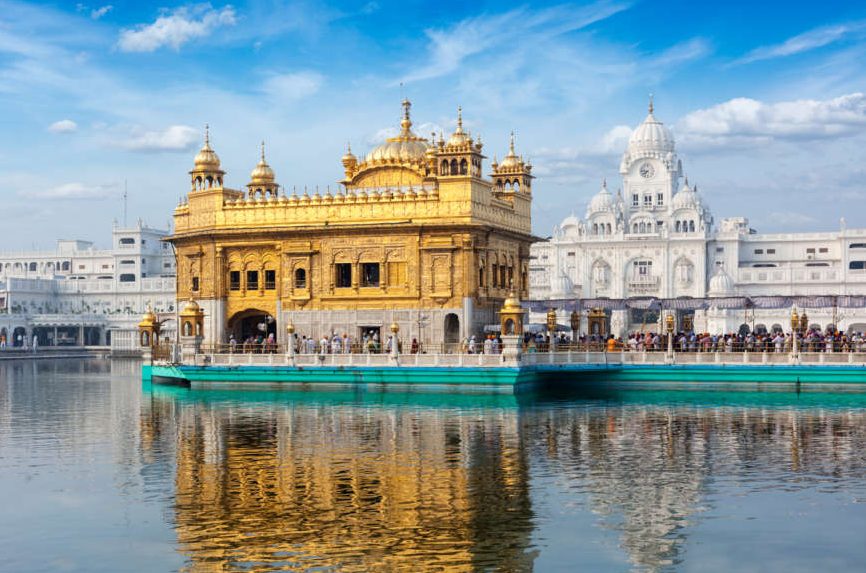
Sikh gurdwara Golden Temple (Harmandir Sahib). Amritsar, Punjab, India
 by .
Lord Rami Ranger CBE

I am appalled to read about the actions of a few unelected, self-appointed Sikhs who have removed Shri Granth Sahib’s Sarup (Holy Book) from the house of the former Principal of Khalsa College in Amritsar by claiming that he cooks and eats eggs at home.

It appears these people have claimed ownership upon the Sikh faith to decide how people must respect the holy book. Are they going to ban all those who eat meat and eggs and also drink alcohol from entering the Gurdwaras? If they do, then most of the Gurdwara will be deserted, and without the donations, it will be impossible for the Gurdwaras to remain open for much longer.

According to the Sikh faith, there is no restriction against entering Gurdwaras after eating meat or eggs as the body is the flesh itself. There are passages against meat, in the Adi Granth. Guru Gobind Singh, however, prohibits the Khalsa the use of Jahtka whereby an animal is killed with one blow. These fanatics misrepresent the teachings of our Gurus and interpret them according to their limited vision and common sense.

Most of the Sikhs in the Indian Armed Forces eat eggs, meat and enjoy drinks and still carry Sikh holy scripture with them and even to the battlefields. What about the Nhang Singhs who enjoy a drink made out of Bhang (Leaves and flower tops of cannabis)?

Hazur Sahib and other Gurdwaras of the Deccani Sikhs sacrifice a goat and serve meat as Parshad. It is a custom of warriors of India to put the Tilak of blood to their weaponry on the occasion of Dushehra and Holi.
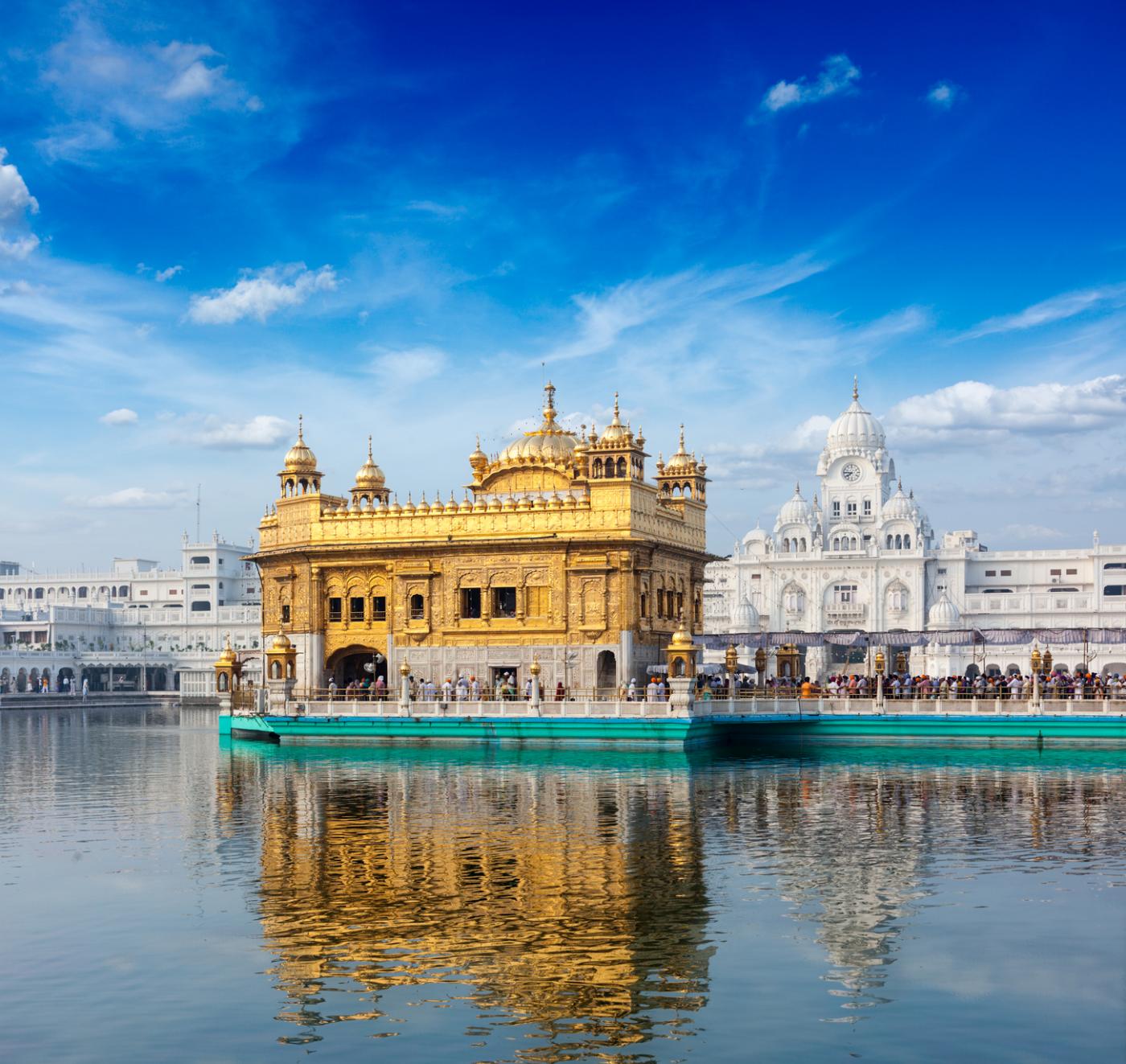
 by © 2011 Dmitry Rukhlenko.
Sikh gurdwara Golden Temple (Harmandir Sahib). Amritsar, Punjab, India

What is their verdict against Sahaj Dhari Sikhs (clean-shaven) and those who trim or colour their hair? An approach to religion should be user friendly to attract maximum followers. By making it as difficult as climbing Mount Everest will reduce the popularity and appeal of our faith to the broader population. The Sindhi believe in Guru Nanak and have Guru Granth Sahib in their homes. Are they to be forbidden to keep the holy book too?

Sikh Gurus were precise that our relationship with our maker is direct and we do not need intermediaries to connect us with the Almighty. These misguided Sikhs are going to Talibanise our faith with the dire consequence to the reputation for our modern and progressive religion. Gurus further said, who are we to judge others as the Supreme Lord judges us. If we do not see God in all, then we do not see God at all. According to Guru Granth Sahib, the fools argue about flesh and meat, but they know nothing about meditation and spiritual meditation.

Recently, a movement was started by fanatic Sikhs that Sikh marriage must take place in Gurdwaras, and no mixed marriage will be allowed to be solemnised in Gurdwara either. Is this the way to attract Sikhs to our Gurus? People without vision can damage the vision of Sikh Gurus for a united humanity. Sikh Gurus proclaimed, Manus Ki Jaat Sabe Eke Pehchanbo. (Oneness of the human race)

These hardcore handfuls of Sikhs will limit the spread of teachings of our illustrious Gurus and other holy men who have contributed their wisdom to the Granth Sahib. Has it occurred to them that when people come to Gurdwararas, they come to give respect and offerings? The devotees can always make a place in their homes to pray, but without the donations, the Gurdwaras cannot survive.

Finally, Edmund Burke said,” for evil to flourish, all it takes is for good people to do nothing. Those Sikhs who do not condemn such ridiculous and incorrect interpretations of our faith, propagated by a few lacklustre Sikhs, will damage the shining light of our faith and it will make it difficult for our next generations to follow and practice.

Emirates Cricket Board (ECB). by .
Previous Story

IPL 13: ECB gets official clearance

Nishant Singh Malkani loves his on-screen Sikh avatar. by .
Next Story

Nishant Loves His New Turban Look

Emirates Cricket Board (ECB). by .
Previous Story

IPL 13: ECB gets official clearance

Nishant Singh Malkani loves his on-screen Sikh avatar. by .
Next Story

Nishant Loves His New Turban Look

Latest from -Top News

Pakistan Risks Overstretching Itself in Yemen War

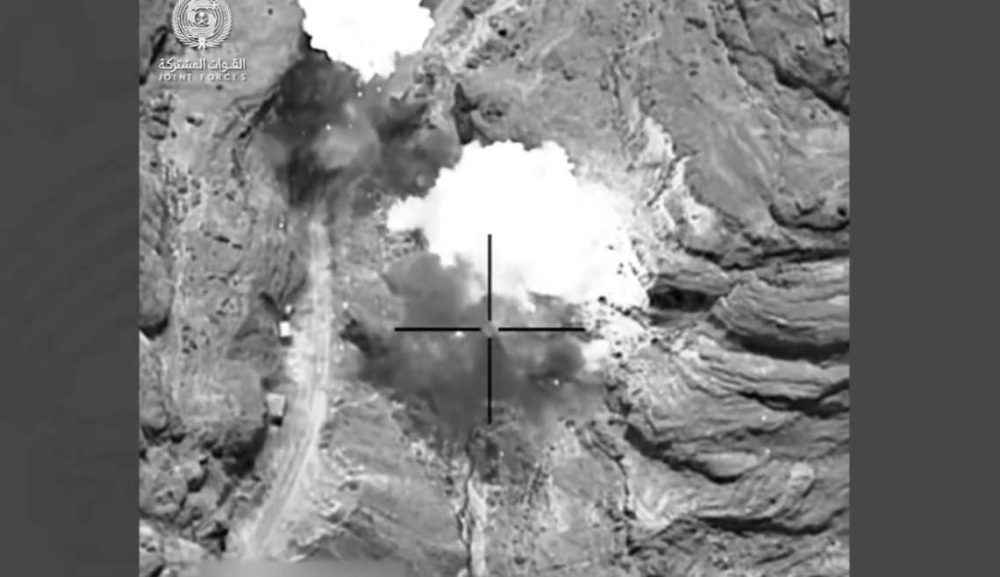
Pakistan’s expanding military role in Saudi Arabia amid the Yemen conflict could strain its defence resources and fragile finances…reports Asian Lite News Desk Pakistan’s military involvement in the war in Yemen may prove unsustainable because of mounting financial pressures and competing security demands, according to a new report. Islamabad’s growing military presence in Saudi Arabia risks stretching its defence resources while exposing the country to greater strategic and economic challenges. An article by Andrew Wilson in One World Outlook describes Pakistan’s involvement as a case of “fiscal and strategic overreach”, arguing that the country lacks the financial flexibility to sustain an expanded military commitment. Pakistan’s external finances depend heavily on an International Monetary Fund (IMF) programme, financial support from Gulf countries and remittances from Pakistani workers in the region. The report argues that deeper military involvement in the conflict could place additional pressure on these sources of financial stability. It also warns that deploying troops and military equipment abroad could weaken Pakistan’s capacity to address security challenges along its eastern border and deal with two domestic insurgencies. The move could also draw Islamabad into a conflict it has sought to approach cautiously. A Reuters report in May, citing Pakistani security and government sources, said Islamabad had deployed around 8,000 troops, a squadron of approximately 16 aircraft, mostly JF-17 fighter jets, two drone squadrons and a Chinese HQ-9 air-defence battery to Saudi Arabia. According to those sources, Riyadh was financing the deployment, with Pakistani personnel operating the equipment. The sources also said a confidential agreement contemplated the possibility of deploying up to 80,000 troops. Islamabad has not confirmed those figures, although it has acknowledged its military presence in Saudi Arabia, including the deployment of fighter jets at King Abdulaziz Air Base from April. The One World Outlook article argues that Saudi financial support can cover allowances and operating expenses but cannot easily replace military equipment needed elsewhere or resolve the political and strategic challenges of participating in the Yemen conflict. Pakistan’s defence budget is another concern. For the 2026-27 financial year, the federal government allocated PKR 3 trillion, or approximately $10.8 billion, to defence services. The allocation represents an 18 per cent increase from the original PKR 2.55 trillion provision and amounts to around 2.1 per cent of projected gross domestic product (GDP). Defence spending accounts for approximately 16 per cent of the federal government’s PKR 18.8 trillion expenditure. Military pensions are budgeted separately at PKR 822 billion, while debt servicing costs stand at approximately PKR 8 trillion, more than two-and-a-half times the defence allocation. The report argues that these competing financial obligations leave little room for additional military expenditure without placing further pressure on public finances. Pakistan’s reliance on IMF assistance also limits its fiscal flexibility. The country must meet the conditions attached to the programme, including a primary budget surplus target of 2 per cent of GDP and continued restraint on development spending. According to the article, these requirements make it difficult for Islamabad to finance an additional military commitment without compromising other budgetary priorities. Pakistan’s economic indicators offer limited reassurance. Economic growth for the 2025-26 financial year is estimated at between 3.6 and 3.7 per cent, while inflation reached approximately 10.3 per cent in September following an energy price shock. Foreign exchange reserves stood at around $21.5 billion at the end of September. Although this marks an improvement from the low levels recorded in 2023, the report notes that the reserves cover only a few months of imports. Financial assistance from Gulf partners remains central to Pakistan’s external stability. The article says Islamabad holds approximately $8 billion in Saudi deposits at its central bank. In July, the State Bank of Pakistan said Riyadh had extended the maturity of $5 billion in deposits to December 2028, easing the country’s immediate external financing requirements. A further $3 billion deposit was also extended in the spring. However, the article argues that these arrangements provide temporary relief rather than long-term financial independence, particularly as regional conflict threatens the stability of the Gulf economies on which Pakistan relies. The report concludes that Pakistan faces a difficult balance between supporting Saudi Arabia militarily and preserving the financial and military resources needed to address its domestic and regional challenges.
Go toTop