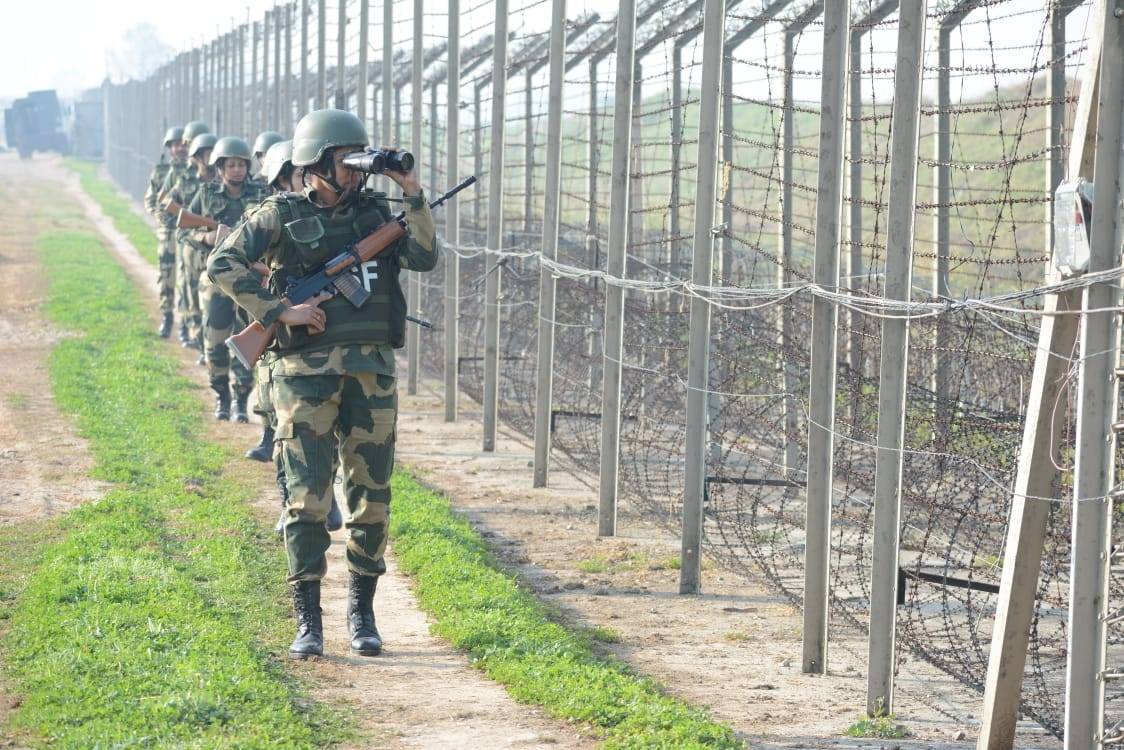
The MHA has recently extended the jurisdiction of BSF from 15 km to further 50 km deep inside along the international borders in three states — Punjab, Assam and West Bengal. ..reports Amresh Srivastava
Opposing the Ministry of Home Affairs’ latest decision to extend the jurisdiction of the Border Security Force (BSF) in Assam, West Bengal and Punjab, the experts say that it was unwarranted, uncalled for and seems to be political.
Former BSF DG Prakash Singh said that controversy generated over the latest order empowering the BSF was uncalled for in the present security scenario around the country wherein arms, narcotics have been dropped through drones in the ‘Border States’ and also with the new security challenges emerging after the recent developments in Afghanistan and Bangladesh.
The MHA has recently extended the jurisdiction of BSF from 15 km to further 50 km deep inside along the international borders in three states — Punjab, Assam and West Bengal.
Describing the objection by the West Bengal and Punjab governments as a sheer political move, Singh further said that under the new notification, the BSF has been mandated to search, seize and arrest a person or persons only under the Passport Act 1967, Passport (Entry into India) Act 1920 and specified sections of the Criminal Procedure code, means any person entering to Indian territory illegally.
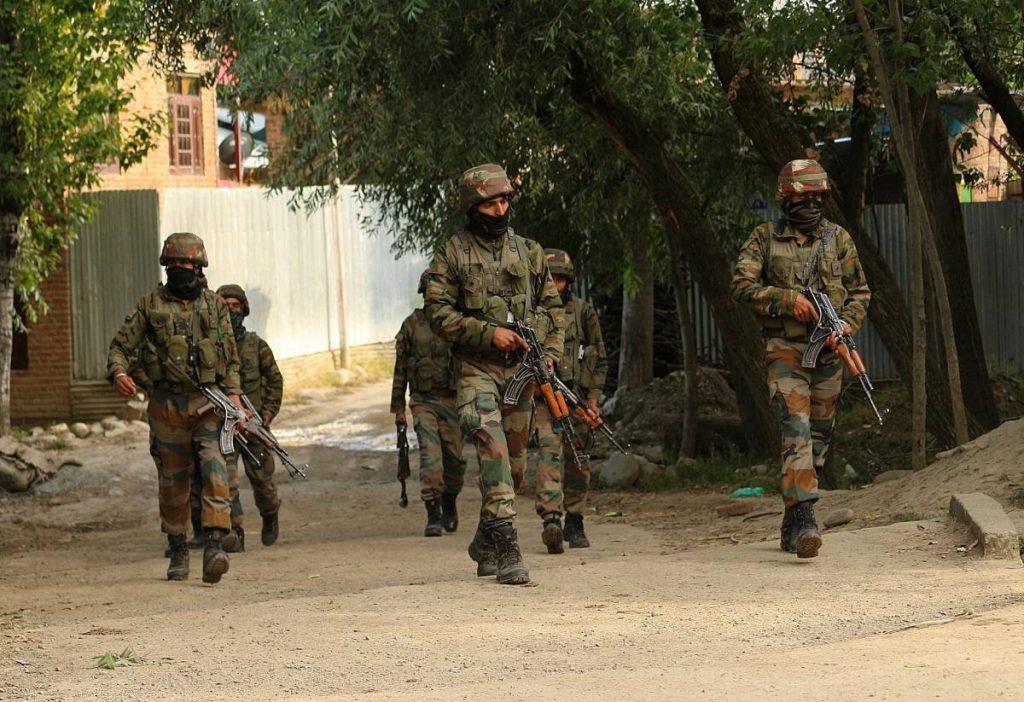
“It is merely an enabling provision aimed at strengthening and complementing the efforts of the state police and in any case the BSF will have to hand over the accused with the seized consignments to the local police for further investigation. The power to register FIR and investigate the case will remain with the state police”, he said, adding that the Punjab government’s claims that half of the state would fall under the jurisdiction of BSF was misleading.
Singh further said that the latest MHA notification was only to reinforce the capabilities of the state police in securing the states under section 139 of the BSF Act that allows the border guarding force to function with certain powers and duties in specified areas and well within the local limits. This does not curtail and limits the powers of the state police in any manner, he added.
The former BSF DG also said that in 2011 during the UPA regime, in which the Congress Party was the major constituent, had also issued an order giving sweeping powers to the central forces in some states including the north east.
Reacting to the present controversy by the opposition ruled states to call a session of the state assemblies to pass a resolution to roll back this order, the Constitutional expert Subhas Kashyap said that the Centre has a power to issue such an order under Article 355 of the Constitution.”
As far as passing a unanimous decision to roll out this order by the states’ assembly, that can be challenged by the Union Government in the Court as it has the overriding powers in case of internal disturbance under Article 355″, Kashyap said, adding that controversy that has emerged after the new order was just political.
However, former Union Home Secretary G.K. Pillai said that Centre can extend the jurisdiction of the central forces such as BSF in states of northeast states bordering with international borders and Maoist affected states but it would be better if the Centre does it in consultation with the state governments. He also said that ‘policing’ is always a state subject.
On October 25, the all party meeting, in which BJP did not participate, convened by the Punjab Chief Minister Charanjit Singh Channi, passed a resolution that if the Centre’s notification was not rolled back, all parties have decided that a state assembly session would be called to discuss this issue. Criticising the MHA move, West Bengal Chief Minister Mamata Banerjee has even said that it was an attempt to interfere with the federal structure of the country.