December 6, 2021
3 mins read

UK announces ‘largest ever increase’ in funding for drug treatment

A world-leading treatment system will be developed for those dependent on drugs and support them to kick their addictions, prioritising areas with the greatest need…reports Asian Lite News.

Communities all across England will receive the largest ever funding boost for drug treatment services to help people and reduce crime on our streets, under a new strategy published on Monday.

The money will go towards improving access to treatment and increasing the capacity of services, helping to reverse the upward trend in drug use and level up by tackling this major driver of crime, which we know disproportionately impacts the most vulnerable and poorest communities.
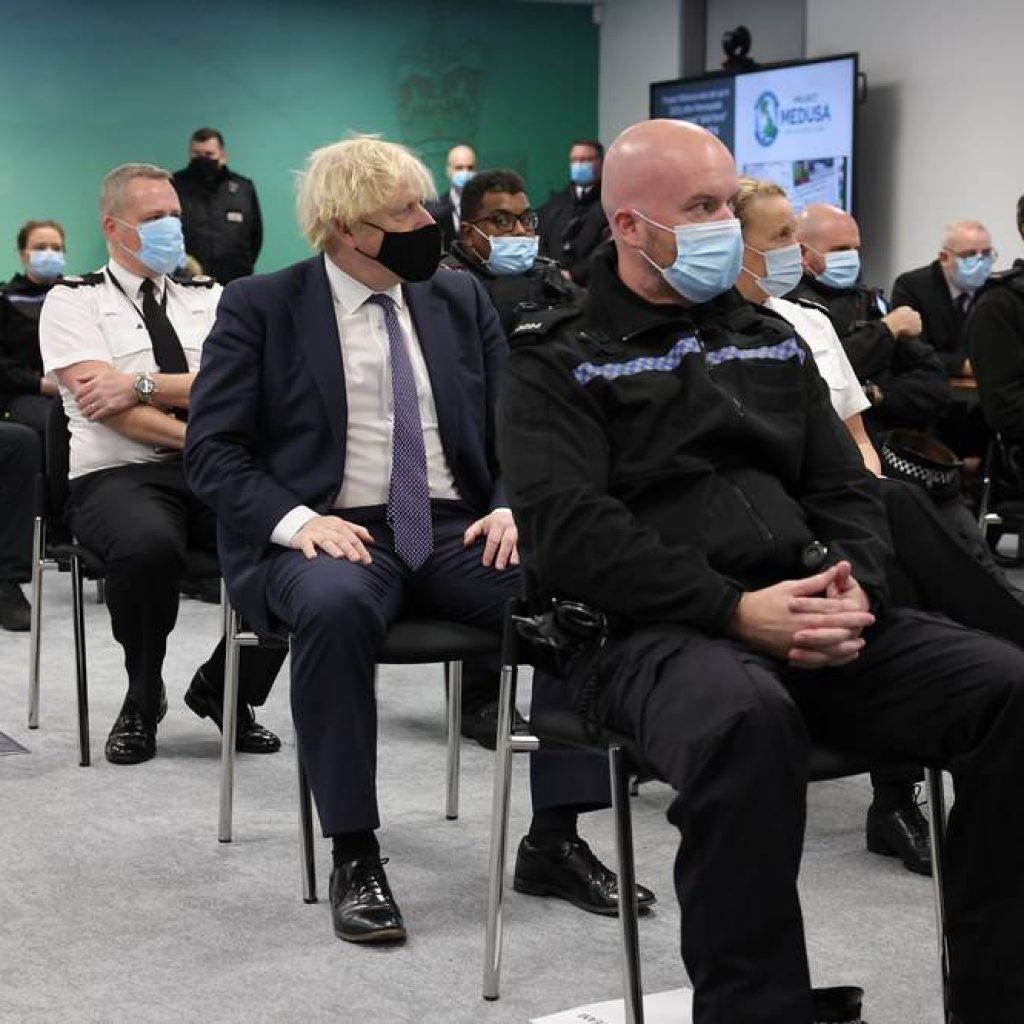
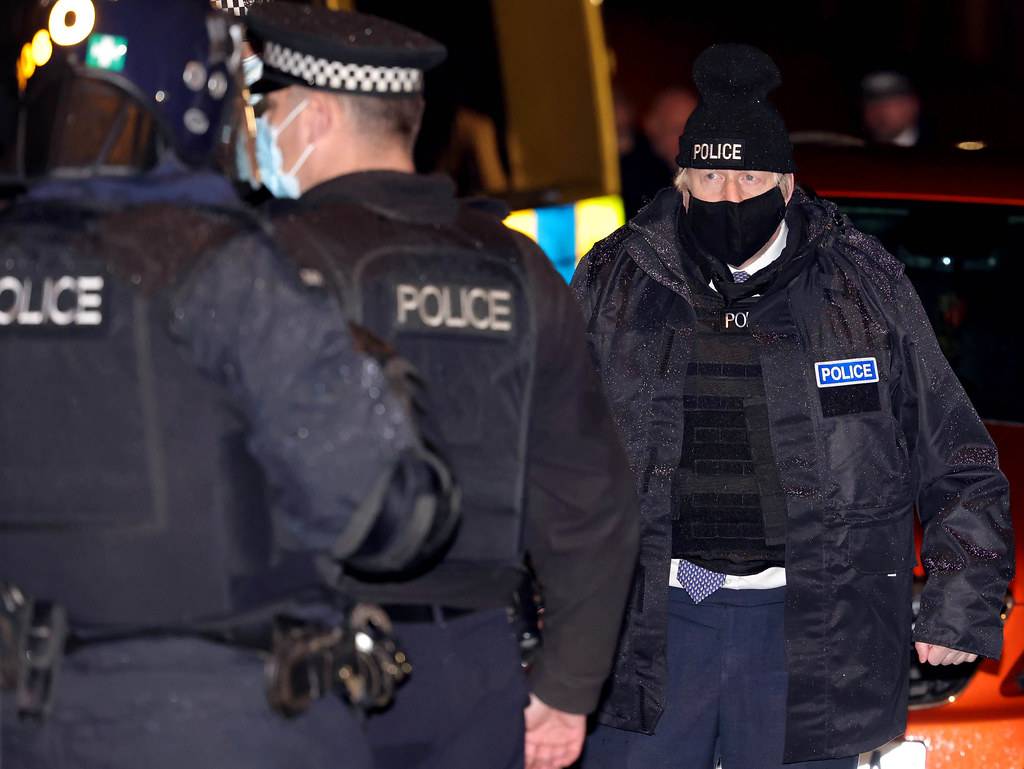
The Prime Minister Boris Johnson attends a police briefing before going on a police drugs raid by Merseyside police in Liverpool. Picture by Andrew Parsons / No 10 Downing Street

The government’s new strategy to tackle drugs, sets out a bold, long-term vision for the next decade. It is designed to cut crime and reduce both the supply and demand for drugs by getting more people into treatment, breaking the cycle of crime driven by addiction and keeping drug-related violence out of neighbourhoods across the country.

The strategy is backed by a new investment of almost £780 million for treatment – the largest ever increase – bringing total spending on drug enforcement and treatment to more than £3 billion over the next three years.

A world-leading treatment system will be developed for those dependent on drugs and support them to kick their addictions, prioritising areas with the greatest need.

Over the next three years, all local authorities will receive new money for treatment and recovery with the 50 local authorities in greatest need receiving this first to ensure that better access to treatment is fast tracked for the poorest and most vulnerable.

Illegal drugs carry a cost to the taxpayer of nearly £20 billion every year and almost half of all burglaries and robberies are committed by the 300,000 heroin and cocaine addicts in England with whole communities forced to endure the misery these cause.
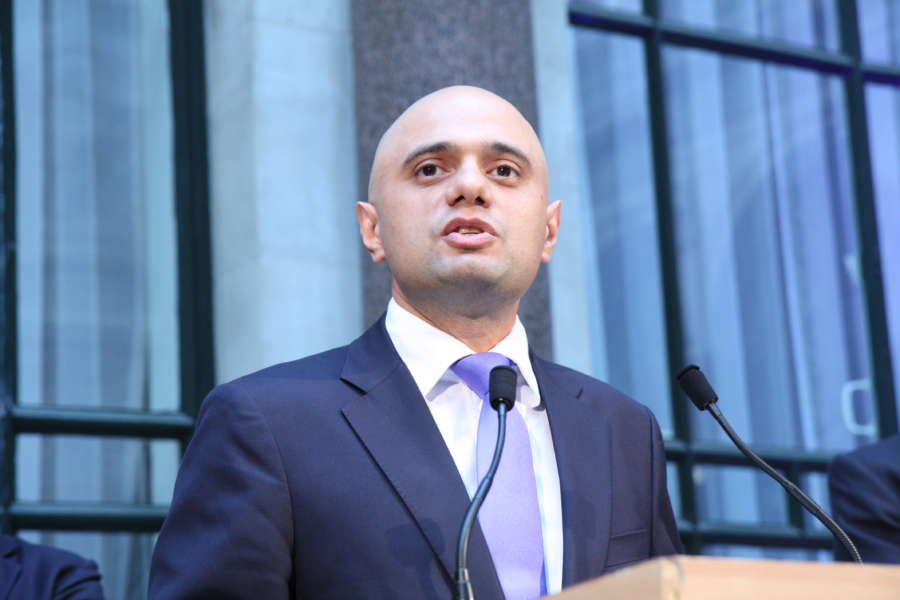
Health and Social Care Secretary, Sajid Javid, said, “This is a huge moment which will not only save lives but help level up the country. We’re investing a record amount into treatment services with money to break the cycle of drug use and to support communities by cutting the drug use which drives crime. Treatment services are just one part of the comprehensive strategy which includes helping people back to work, into permanent housing, and cracking down on supply.”

To cut crime and reduce drug related deaths and harms over the next three years, the government plans to increase and improve treatment services to reduce harm and improve recovery rates significantly. This will mean more people receiving better quality treatment, including developing and expanding the treatment workforce, helping to prevent crime.

Improve offender drug treatment across the Prisons and Probation Service in England and Wales to get more offenders engaged in treatment, including mandatory and voluntary testing regimes in prison, support for prisoners to engage with community treatment ahead of their release and increasing the use of intensive Drug Rehabilitation Requirements for those on community sentences. This will help cut crime as those receiving treatment for their addiction are known to be half as likely to reoffend.

Increased housing support and access to treatment for those at risk of sleeping rough.

Roll out individual employment support across all Local Authorities in England by 2025 based on effective existing models to help people in recovery to get a job by supporting them to be ready for work and helping them to find a job that is right for them.

ALSO READ-London HC rules in favour of PM in Priti Patel case

Previous Story

Facebook faces $200 bn legal action in UK over Rohingya genocide

Next Story

US tried to undermine S-400 deal with India: Lavrov

Previous Story

Facebook faces $200 bn legal action in UK over Rohingya genocide

Next Story

US tried to undermine S-400 deal with India: Lavrov

Latest from -Top News

Pakistan Risks Overstretching Itself in Yemen War

Pakistan’s expanding military role in Saudi Arabia amid the Yemen conflict could strain its defence resources and fragile finances…reports Asian Lite News Desk Pakistan’s military involvement in the war in Yemen may prove unsustainable because of mounting financial pressures and competing security demands, according to a new report. Islamabad’s growing military presence in Saudi Arabia risks stretching its defence resources while exposing the country to greater strategic and economic challenges. An article by Andrew Wilson in One World Outlook describes Pakistan’s involvement as a case of “fiscal and strategic overreach”, arguing that the country lacks the financial flexibility to sustain an expanded military commitment. Pakistan’s external finances depend heavily on an International Monetary Fund (IMF) programme, financial support from Gulf countries and remittances from Pakistani workers in the region. The report argues that deeper military involvement in the conflict could place additional pressure on these sources of financial stability. It also warns that deploying troops and military equipment abroad could weaken Pakistan’s capacity to address security challenges along its eastern border and deal with two domestic insurgencies. The move could also draw Islamabad into a conflict it has sought to approach cautiously. A Reuters report in May, citing Pakistani security and government sources, said Islamabad had deployed around 8,000 troops, a squadron of approximately 16 aircraft, mostly JF-17 fighter jets, two drone squadrons and a Chinese HQ-9 air-defence battery to Saudi Arabia. According to those sources, Riyadh was financing the deployment, with Pakistani personnel operating the equipment. The sources also said a confidential agreement contemplated the possibility of deploying up to 80,000 troops. Islamabad has not confirmed those figures, although it has acknowledged its military presence in Saudi Arabia, including the deployment of fighter jets at King Abdulaziz Air Base from April. The One World Outlook article argues that Saudi financial support can cover allowances and operating expenses but cannot easily replace military equipment needed elsewhere or resolve the political and strategic challenges of participating in the Yemen conflict. Pakistan’s defence budget is another concern. For the 2026-27 financial year, the federal government allocated PKR 3 trillion, or approximately $10.8 billion, to defence services. The allocation represents an 18 per cent increase from the original PKR 2.55 trillion provision and amounts to around 2.1 per cent of projected gross domestic product (GDP). Defence spending accounts for approximately 16 per cent of the federal government’s PKR 18.8 trillion expenditure. Military pensions are budgeted separately at PKR 822 billion, while debt servicing costs stand at approximately PKR 8 trillion, more than two-and-a-half times the defence allocation. The report argues that these competing financial obligations leave little room for additional military expenditure without placing further pressure on public finances. Pakistan’s reliance on IMF assistance also limits its fiscal flexibility. The country must meet the conditions attached to the programme, including a primary budget surplus target of 2 per cent of GDP and continued restraint on development spending. According to the article, these requirements make it difficult for Islamabad to finance an additional military commitment without compromising other budgetary priorities. Pakistan’s economic indicators offer limited reassurance. Economic growth for the 2025-26 financial year is estimated at between 3.6 and 3.7 per cent, while inflation reached approximately 10.3 per cent in September following an energy price shock. Foreign exchange reserves stood at around $21.5 billion at the end of September. Although this marks an improvement from the low levels recorded in 2023, the report notes that the reserves cover only a few months of imports. Financial assistance from Gulf partners remains central to Pakistan’s external stability. The article says Islamabad holds approximately $8 billion in Saudi deposits at its central bank. In July, the State Bank of Pakistan said Riyadh had extended the maturity of $5 billion in deposits to December 2028, easing the country’s immediate external financing requirements. A further $3 billion deposit was also extended in the spring. However, the article argues that these arrangements provide temporary relief rather than long-term financial independence, particularly as regional conflict threatens the stability of the Gulf economies on which Pakistan relies. The report concludes that Pakistan faces a difficult balance between supporting Saudi Arabia militarily and preserving the financial and military resources needed to address its domestic and regional challenges.

UK and Germany Ratify Kensington Treaty

Britain and Germany ratify the Kensington Treaty, agreeing new cooperation on AI, quantum research, defence and security while targeting investment, jobs and Russian hybrid threats…reports Asian Lite News Desk Britain and Germany

Economic tide is turning in Bangladesh

If there is one thing that can bring some comfort to the struggling Bangladeshi economy, it is good relations with India. Bangladesh should remember that Delhi’s backing, through easy supplies of essentials

DP World Lands 15-Year Bangladesh Port Deal

The agreement between the Chittagong Port Authority (CPA) and DP World covers the New Mooring Container Terminal…reports Asian Lite News Desk Bangladesh has signed a 15-year concession agreement with global ports operator
Go toTop

Don't Miss

Mega Cops Shake-up

The Home Secretary is preparing to unveil the biggest reorganisation

Nothing conclusive on changing roadmap: Boris

As per government roadmap, the remaining curbs on social contact