South Asia is amongst the main regions likely to be hit severely by the negative environmental impact of climate change…reports Asian Lite News
While China’s Belt and Road Initiative (BRI) promises to create opportunities for the South Asian states to facilitate a more sustainable growth model, it also implies significant environmental risks, apart from economic, legal and sovereignty issues.
South Asia is amongst the main regions likely to be hit severely by the negative environmental impact of climate change. BRI announced by Beijing in 2013, will exacerbate these trends, reported European Foundation for South Asian Studies (EFSAS).
By investing in physical infrastructure throughout the world, including in South Asia, China seeks to consolidate and expand its global economic and political role, and further facilitate global economic interactions.
The Environmental Kuznets Curve (EKC) report said the environmental trends in South Asia generally correspond to the development trajectory, that causes pollution through growing industrialisation, which has become one of the key environmental characteristics of South Asia, says EFSAS.
Pollution has increased as a direct result of this rapid industrialisation, said the Energy and Resources Institute, 2019 report.
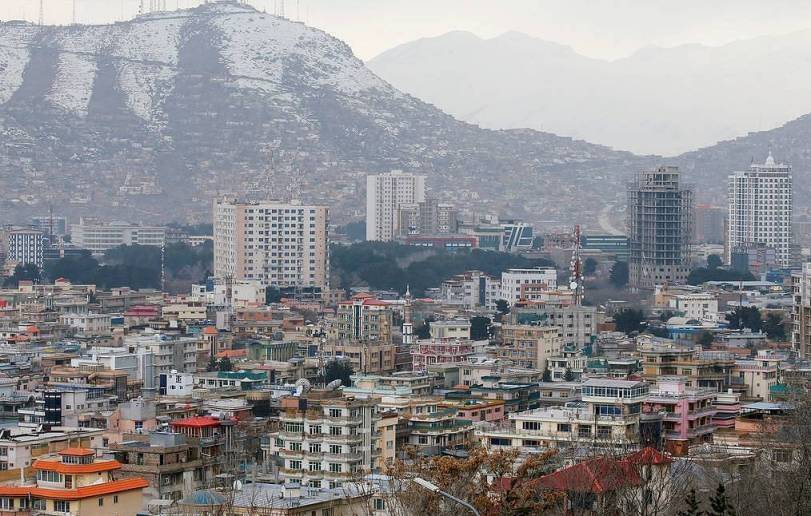
Air pollution is even more extreme in urban areas, with 91.2 per cent of the region’s population living in areas that register pollution rates of 35mg/m3, making South Asian air some of the most polluted in the world, reported EFSAS.
What is more is that the BRI is underpinned by a clear developmental logic of industrial growth that is likely to further intensify environmental degradation.
For China, the construction of physical infrastructure, for instance regarding transport and energy networks, has played a foundational role in the rapid economic development of the country.
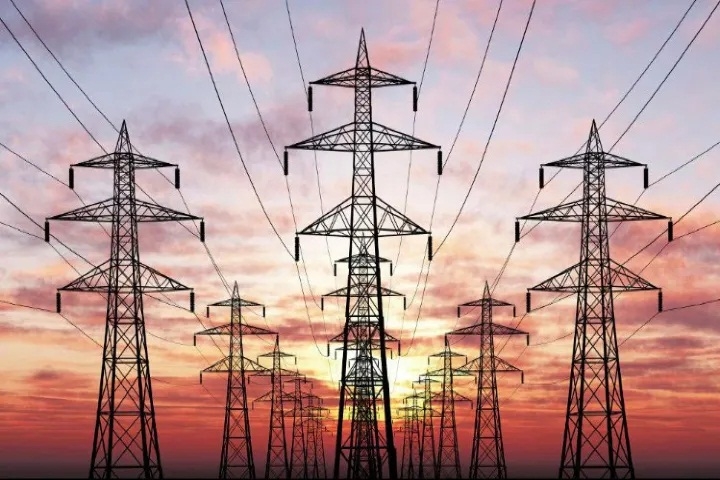
The BRI exports this infrastructure-driven growth model, including to South Asia. Infrastructure investments are thus likely to exacerbate environmental issues if they are not sufficiently regulated and focused on utilising renewable forms of energy consumption, said EFSAS.
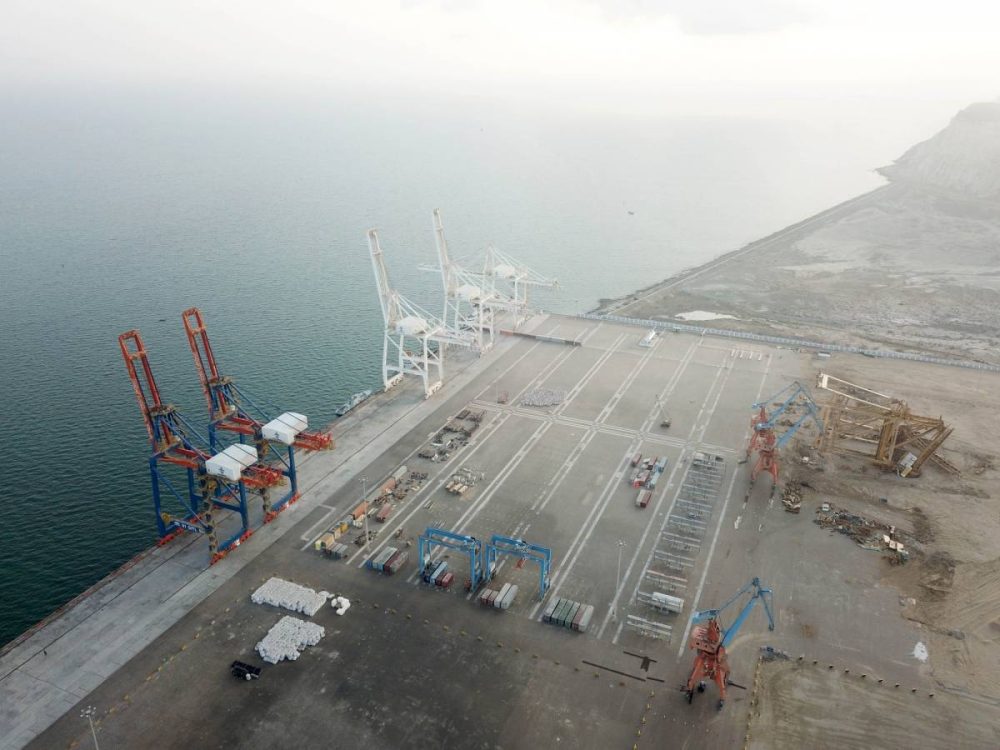
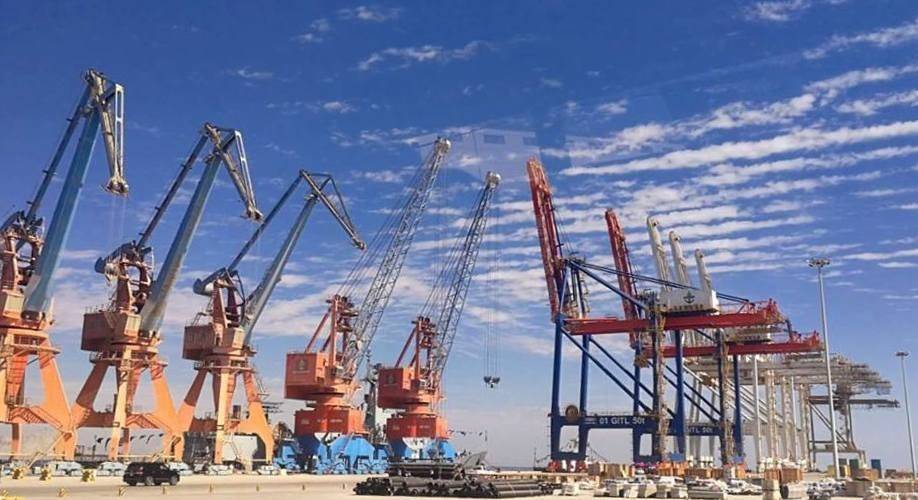
For example, in the case of Pakistan, the envisioned China-Pakistan Economic Corridor (CPEC) bears several environmental hazards and climate change vulnerabilities apart from legal conflicts in terms of international law with regard to the disputed territory of Gilgit Baltistan.
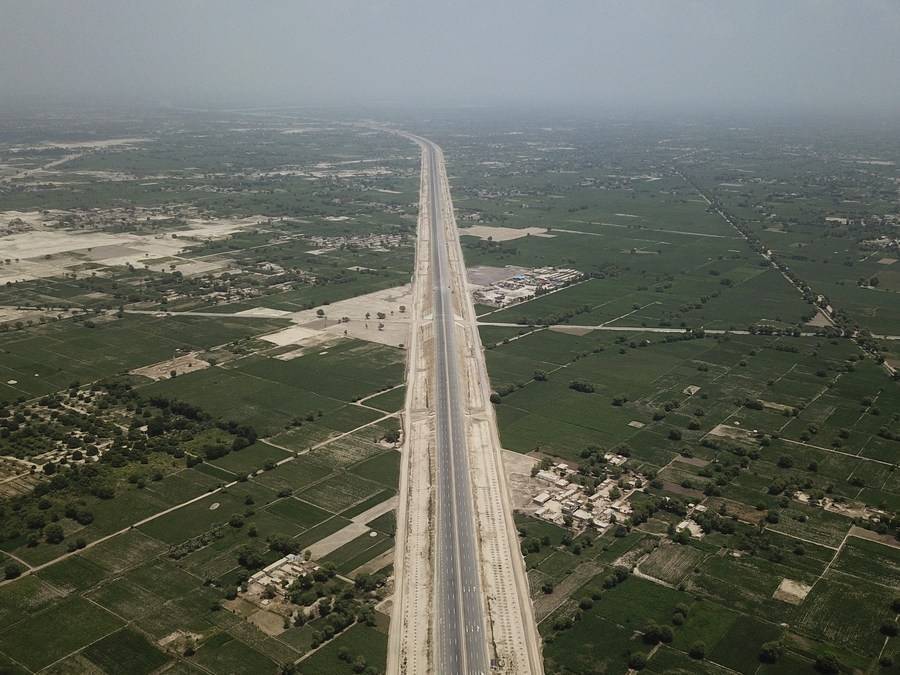
Another major environmental risk stemming from CPEC is the large-scale deforestation for the purposes of constructing road networks.
Vehicle trafficking is another associated hazard of CPEC, given that road networks such as the Karakorum Highway expects to carry 7,000 trucks per day, which would release 36.5 million tonnes of CO2.
South Asian countries once again find themselves at the crossroads of having to choose between some of the short-term economic benefits potentially produced by the BRI and the long-term negative ecological and, ultimately, economic impacts this investment will likely have, reported EFSAS. (ANI)