August 1, 2021
3 mins read

Dubai Museum of the Future listed among the best in the world

The Museum of the Future, an architectural marvel that sits at the bustling heart of Dubai, is set to become a new global landmark once complete….reports Asian Lite News

The National Geographic has listed Dubai’s ‘Museum of the Future’ as one of the 14 most beautiful museums in the world for its astounding architecture and sophisticated technological innovations.

The Museum of the Future, an architectural marvel that sits at the bustling heart of Dubai, is set to become a new global landmark once complete.

Mohammad Al Gergawi, Vice Chairman of the Board of Trustees and Managing Director of the Dubai Future Foundation, said the selection of the Museum of the Future as a major world icon, even before its completion, captures the UAE’s leading status in innovation, design and architecture.

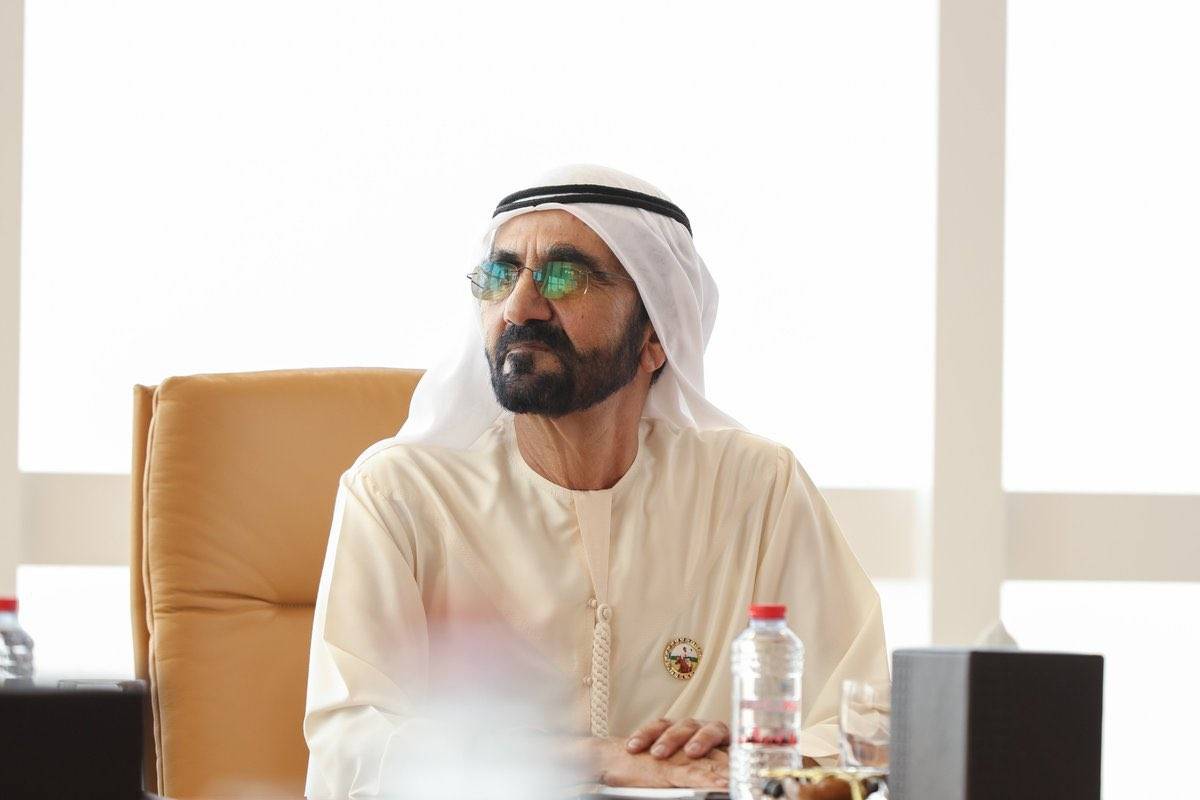
“Dubai has established itself as a centre for creativity, thanks to the vision of His Highness Sheikh Mohammed bin Rashid Al Maktoum, Vice President and Prime Minister of UAE and Ruler of Dubai. The emirate’s ambitions are reflected in an engineering miracle like Dubai’s Museum of the Future that has been globally recognised as the world’s most beautiful museums even before its completion.”

Al Gergawi added, “The museum presents the UAE’s and the world’s gateway to the future with its design and latest technologies. The engineering icon positions Dubai as a testbed for emerging technologies and an exploration base for talents, inventors and creative professionals from all over the world to unravel the greatest challenges that will shape the future of humanity. Once complete, the museum will give visitors a glimpse of the future.”

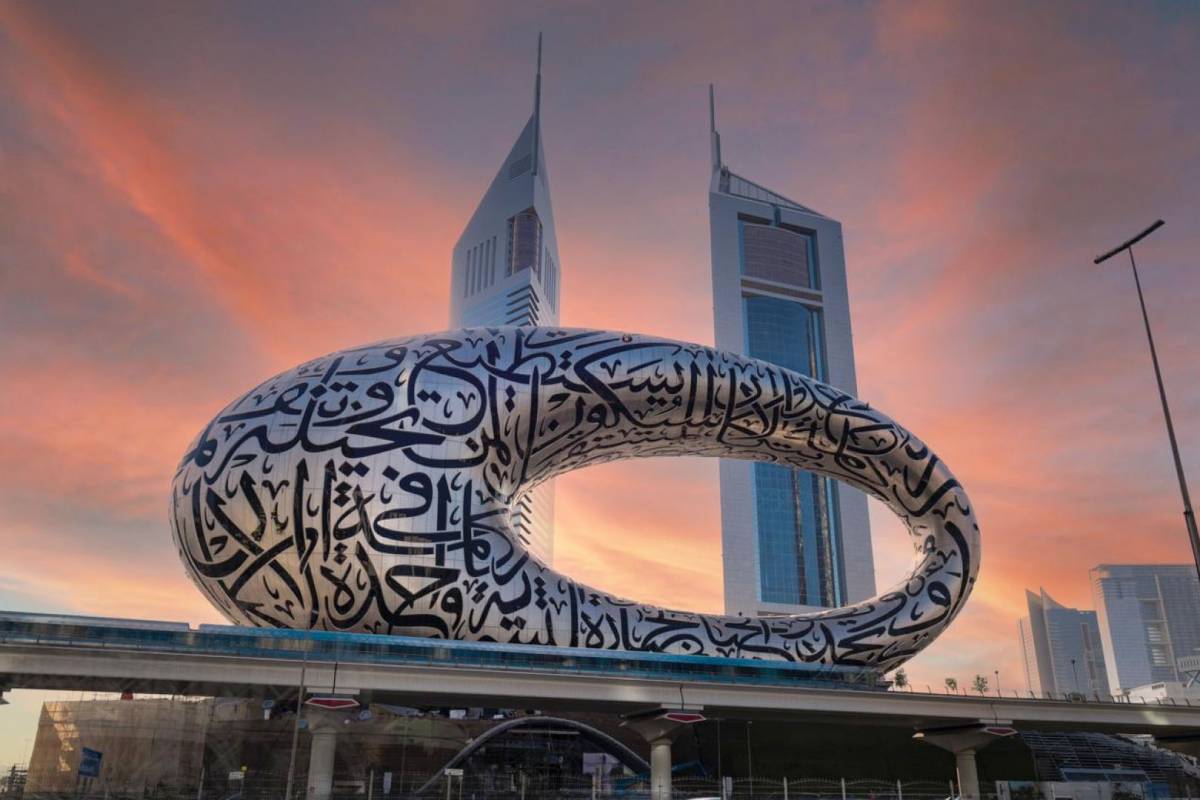
Spanning an area of 30,000 square metres, the seven-storey pillarless structure stands at 77 metres high. The stainless-steel facade, which extends over 17,000 square metres, is illuminated by 14,000 metres of Arabic calligraphy designed by the Emirati artist Mattar bin Lahej.

The Museum is also linked by two bridges, the first extending to Jumeirah Emirates Towers, with a length of 69 metres, and the second linking it to the Emirates Towers metro station, with a length of 212 metres.

The Arabic calligraphy that adorns the facade include quotes by His Highness Sheikh Mohammed bin Rashid Al Maktoum. Among the quotes are: “We may not live for hundreds of years, but the products of our creativity can leave a legacy long after we are gone.” and “The future belongs to those who can imagine it, design it, and execute it… The future does not wait… The future can be designed and built today.”

The facade consists of 1,024 plates manufactured entirely by robots in a first-of-its-kind venture in the Middle East. Each plate of the facade consists of four layers, and each layer has been created after following 16 process steps. The installation period of the external facade lasted for more than 18 months, and each of the panels installed separately.

A model for sustainability in creative design, Dubai’s Museum of the Future is powered by 4,000 megawatts of solar energy produced by a station connected to the building, in collaboration with the Dubai Electricity and Water Authority. Upon completion, the museum will be the first of its kind in the Middle East to obtain a Platinum Certification for Leadership in Environmental Energy and Design, the highest rating for green buildings in the world.

The park surrounding the museum contains 80 species of plants, equipped with a state-of-the-art intelligent and automatic irrigation system.

The Museum of the Future has won the Tikla International Building Award as a unique architectural model. Autodesk Design Software stated that the Museum is one of the most innovative buildings in the world. The building was designed by Engineer Sean Keila.

ALSO READ: Mohammed bin Rashid issues Decree on Dubai Autism Centre

Previous Story

Mohammed Bin Rashid issues decrees on boards of various organisations

Next Story

Sudan welcomes Algerian initiative to hold Nile dam meeting

Previous Story

Mohammed Bin Rashid issues decrees on boards of various organisations

Next Story

Sudan welcomes Algerian initiative to hold Nile dam meeting

Latest from -Top News

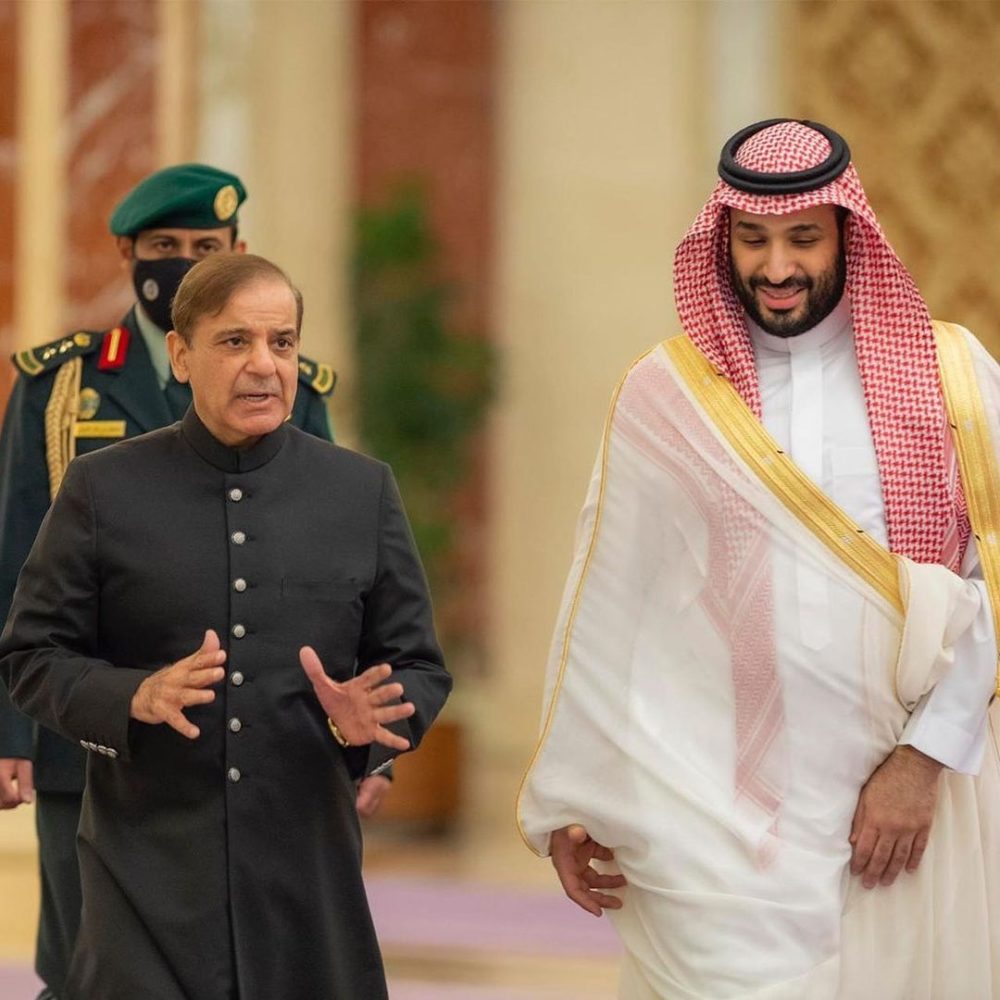
Pakistan Risks Overstretching Itself in Yemen War

Pakistan’s expanding military role in Saudi Arabia amid the Yemen conflict could strain its defence resources and fragile finances…reports Asian Lite News Desk Pakistan’s military involvement in the war in Yemen may prove unsustainable because of mounting financial pressures and competing security demands, according to a new report. Islamabad’s growing military presence in Saudi Arabia risks stretching its defence resources while exposing the country to greater strategic and economic challenges. An article by Andrew Wilson in One World Outlook describes Pakistan’s involvement as a case of “fiscal and strategic overreach”, arguing that the country lacks the financial flexibility to sustain an expanded military commitment. Pakistan’s external finances depend heavily on an International Monetary Fund (IMF) programme, financial support from Gulf countries and remittances from Pakistani workers in the region. The report argues that deeper military involvement in the conflict could place additional pressure on these sources of financial stability. It also warns that deploying troops and military equipment abroad could weaken Pakistan’s capacity to address security challenges along its eastern border and deal with two domestic insurgencies. The move could also draw Islamabad into a conflict it has sought to approach cautiously. A Reuters report in May, citing Pakistani security and government sources, said Islamabad had deployed around 8,000 troops, a squadron of approximately 16 aircraft, mostly JF-17 fighter jets, two drone squadrons and a Chinese HQ-9 air-defence battery to Saudi Arabia. According to those sources, Riyadh was financing the deployment, with Pakistani personnel operating the equipment. The sources also said a confidential agreement contemplated the possibility of deploying up to 80,000 troops. Islamabad has not confirmed those figures, although it has acknowledged its military presence in Saudi Arabia, including the deployment of fighter jets at King Abdulaziz Air Base from April. The One World Outlook article argues that Saudi financial support can cover allowances and operating expenses but cannot easily replace military equipment needed elsewhere or resolve the political and strategic challenges of participating in the Yemen conflict. Pakistan’s defence budget is another concern. For the 2026-27 financial year, the federal government allocated PKR 3 trillion, or approximately $10.8 billion, to defence services. The allocation represents an 18 per cent increase from the original PKR 2.55 trillion provision and amounts to around 2.1 per cent of projected gross domestic product (GDP). Defence spending accounts for approximately 16 per cent of the federal government’s PKR 18.8 trillion expenditure. Military pensions are budgeted separately at PKR 822 billion, while debt servicing costs stand at approximately PKR 8 trillion, more than two-and-a-half times the defence allocation. The report argues that these competing financial obligations leave little room for additional military expenditure without placing further pressure on public finances. Pakistan’s reliance on IMF assistance also limits its fiscal flexibility. The country must meet the conditions attached to the programme, including a primary budget surplus target of 2 per cent of GDP and continued restraint on development spending. According to the article, these requirements make it difficult for Islamabad to finance an additional military commitment without compromising other budgetary priorities. Pakistan’s economic indicators offer limited reassurance. Economic growth for the 2025-26 financial year is estimated at between 3.6 and 3.7 per cent, while inflation reached approximately 10.3 per cent in September following an energy price shock. Foreign exchange reserves stood at around $21.5 billion at the end of September. Although this marks an improvement from the low levels recorded in 2023, the report notes that the reserves cover only a few months of imports. Financial assistance from Gulf partners remains central to Pakistan’s external stability. The article says Islamabad holds approximately $8 billion in Saudi deposits at its central bank. In July, the State Bank of Pakistan said Riyadh had extended the maturity of $5 billion in deposits to December 2028, easing the country’s immediate external financing requirements. A further $3 billion deposit was also extended in the spring. However, the article argues that these arrangements provide temporary relief rather than long-term financial independence, particularly as regional conflict threatens the stability of the Gulf economies on which Pakistan relies. The report concludes that Pakistan faces a difficult balance between supporting Saudi Arabia militarily and preserving the financial and military resources needed to address its domestic and regional challenges.

UK and Germany Ratify Kensington Treaty

Britain and Germany ratify the Kensington Treaty, agreeing new cooperation on AI, quantum research, defence and security while targeting investment, jobs and Russian hybrid threats…reports Asian Lite News Desk Britain and Germany

Economic tide is turning in Bangladesh

If there is one thing that can bring some comfort to the struggling Bangladeshi economy, it is good relations with India. Bangladesh should remember that Delhi’s backing, through easy supplies of essentials

DP World Lands 15-Year Bangladesh Port Deal

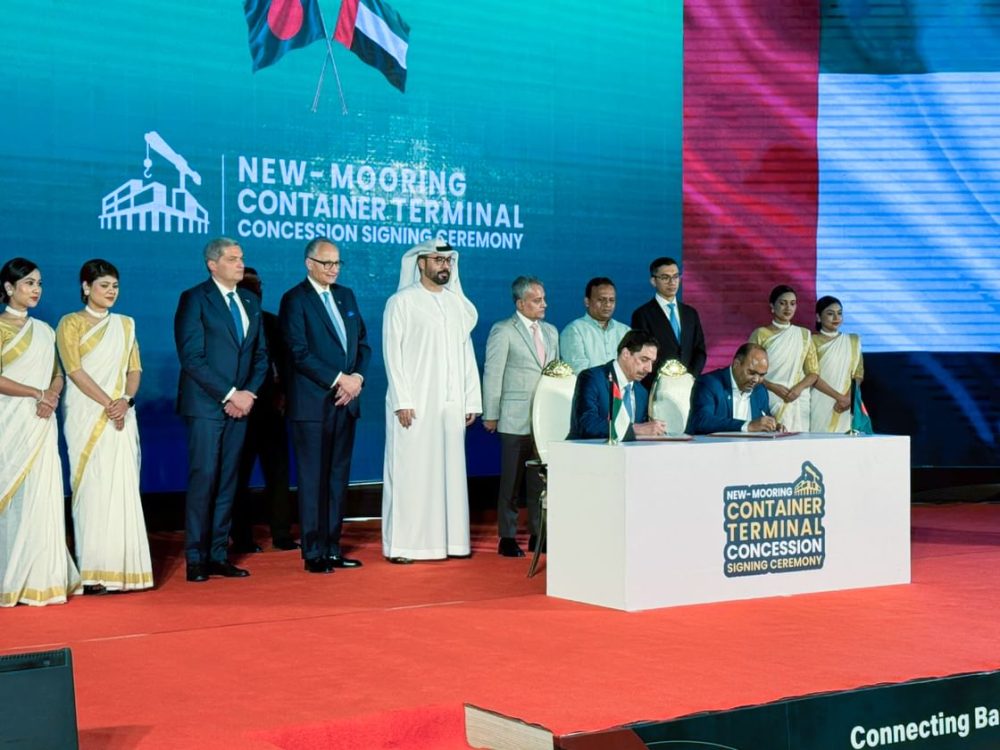
The agreement between the Chittagong Port Authority (CPA) and DP World covers the New Mooring Container Terminal…reports Asian Lite News Desk Bangladesh has signed a 15-year concession agreement with global ports operator
Go toTop

Don't Miss

DXB back to normal operations

Dubai Airport has returned to its normal flight schedule and

UAE, S. Korea join hands to support entrepreneurship, SMEs

The UAE is one of the leading countries in the