If there is one thing that can bring some comfort to the struggling Bangladeshi economy, it is good relations with India. Bangladesh should remember that Delhi’s backing, through easy supplies of essentials and industrial raw material, was the single most important factor in helping Bangladesh sustain the growth run during 2020–2021, when the world came to a grinding halt due to pandemic-driven supply-chain constraints…writes Dr Sakariya Kareem
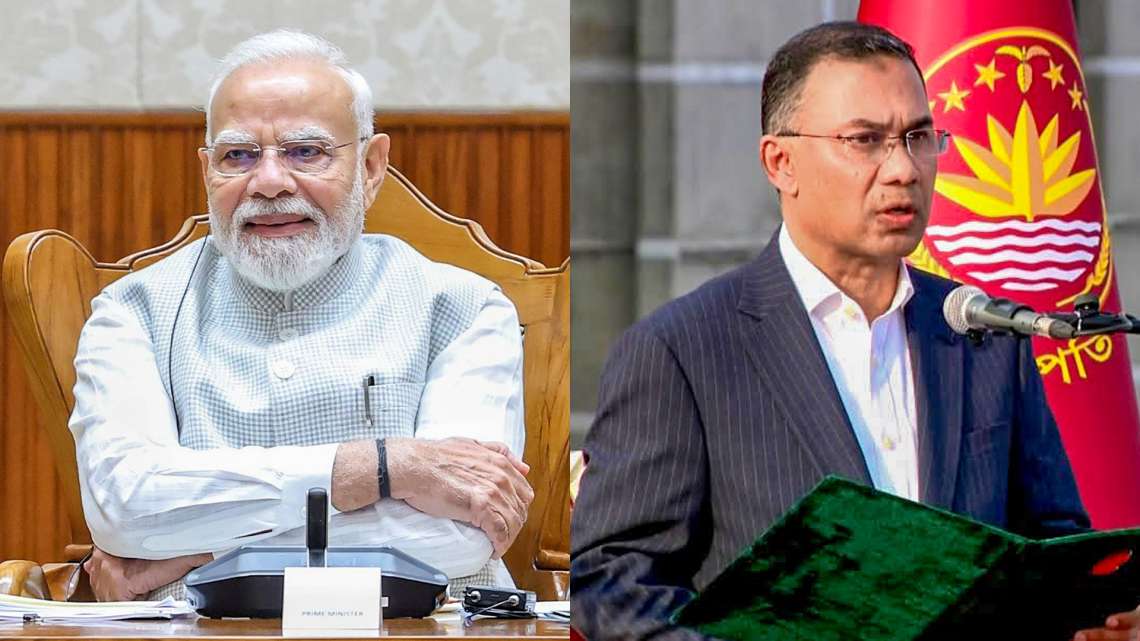
Bangladeshi Prime Minister Tarique Rahman reportedly decided to visit India in November. If he does, this will be one of the best decisions he had taken since assuming power. Over the last seven months, the government suffered from unusual erosion in popularity, originating from declining economic prospects of the nation. High inflation, closure of factories and shrinking job market made life miserable. The bad news is: there is limited prospects of revival in sight.
A September 2026 report in The Business Standard exposed the precarious economic condition. Data from Chattogram Port—which handles the entire containerised traffic and over 90% of Bangladesh’s foreign trade—showed that imports of capital machinery, medical equipment, vehicles and heavy machinery-related products had fallen by 45% between financial years 2021-22 and 2024-25, from 22.6 lakh tonnes to 12.4 lakh tonnes.
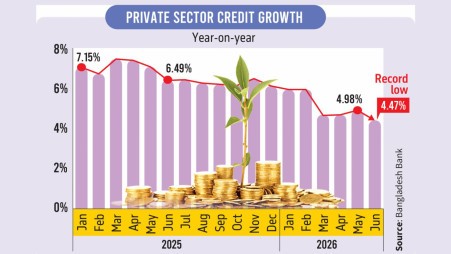
The sharp drop in capital goods imports is in line with a dramatic slowdown in private-sector credit offtake following August 2024. From 7.15% in January 2025, private-sector credit growth fell to a 33-year low of 4.62% in June 2026. Add to this the dwindling GDP growth numbers, and the cycle is complete.
According to the World Bank, Bangladesh posted 7.1% GDP growth in 2022 (calendar) despite economic headwinds. Growth was down to 5.8% in the last full year of the Sheikh Hasina administration. The nation posted a mere 3.5% growth in 2025. The Asian Development Bank projected 2026 growth at 3.7%, but if the falling private-sector credit growth is of any significance, Bangladesh could post lower growth than in 2025. That is, if they do not fudge the numbers.
The point is not that the Bangladeshi economy is doing badly. What is more worrisome is that it is not showing much prospect of an early recovery. “Stagnation has been evident in the country’s investment climate for a long time, creating considerable uncertainty about future growth and employment,” wrote Professor Semil Raihan (The Business Standard, 26 September 2026).
The crucial factor is how it is boiling down to people. For more than four years, headline inflation has remained stubbornly above eight per cent. According to the Asian Development Bank’s September 2026 forecast, Bangladesh’s annual average inflation could reach 8.7% in the 2025–26 fiscal year and 9.0% in 2026–27. Part of this may be attributed to the global energy shock, but not all. When crude prices were down, inflation did not ease.
“Bangladesh’s inflation can no longer be explained simply by volatility in global markets, import costs or temporary supply shortages. These factors are certainly important. But inflation has also become deeply connected to weaknesses in Bangladesh’s economic structure and policymaking,” Raihan remarked (The Business Standard, 24 September 2026). He sounded alarm at the rising fiscal gap and suggested structural adjustments.
Dhaka is yet to pay attention to the call. It has just proposed to double public-sector salaries. The aim is to increase consumption and consolidate support for the government. But it may fuel inflation, increasing popular frustration, which is already very high. Can it sustain this for much longer?
The answer will be known in the days to come. However, if there is one thing that can bring some comfort to the struggling economy, it is good relations with India. Bangladesh should remember that Delhi’s backing, through easy supplies of essentials and industrial raw material, was the single most important factor in helping Bangladesh sustain the growth run during 2020–2021, when the world came to a grinding halt due to pandemic-driven supply-chain constraints.
Right at this moment, when the US, Europe and China are forcing Bangladesh to spend billions of dollars on buying airplanes to get duty advantages for its garments, India remains an exception. Despite sustained provocations from the Yunus administration, Delhi continued to offer Dhaka zero-duty advantages and supply cheap essentials, helping Bangladesh mitigate the energy crisis and reduce unbearably high food inflation. Delhi holds the key to Dhaka’s electricity and diesel availability.
The India-Bangladesh economic ties are marked by Dhaka’s strategic dependence on Delhi. India is the second-largest producer of cotton and a next-door neighbour. Yet, Dhaka imposed restrictions on yarn imports from India. Bangladesh government placed orders for rice imports with a Vietnamese company. It later turned out that the Vietnamese company procured rice from India alone. Dhaka ended up paying a higher price than it would have paid through a direct import.