The value of the national currency, the Afghani, is subsequently falling, and there is a grave shortage of hard cash….reports Asian Lite News
Amid US pullout from Afghanistan, the people of the strife-torn country are witnessing chaos, poverty and hunger after the Taliban seized power.
Immediately after Afghan President Ashraf Ghani fled on August 15, allowing the Taliban’s then-militia in the mountains to seize the reins of a nation of 38 million, Washington froze more than USD 9 billion in reserves to the country’s central bank, wrote Hollie McKay in The Dallas Morning News.
It was the US taxpayer who propped up Afghanistan’s ailing economy for almost two decades. The World Bank and the International Monetary Fund suspended loans, and the Financial Action Task Force, a Paris-based group that monitors global terror, mandated its member nations cut off Taliban money.
With each passing day, the crisis only deepens, says McKay.
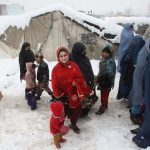
Thus while one war has technically ended after US withdrawal from Afghanistan, it feels as though another is just beginning. This one may lack the bombs and bullets of the past, but Afghanistan remains a bleeding place. And it is always the civilians who suffer.
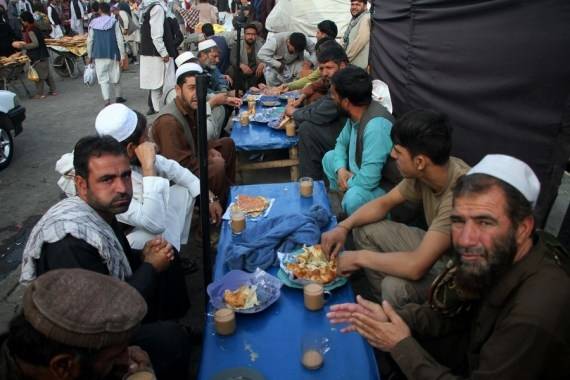
The cost of food and essential items is increasing by the day, exacerbated by rapid inflation. The value of the national currency, the Afghani, is subsequently falling, and there is a grave shortage of hard cash.
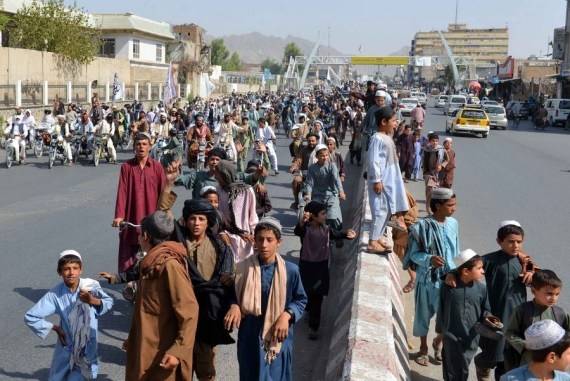
Beleaguered Afghans wait for more than three days in the blistering heat outside the banks without food or water as Taliban guards wave ominous sticks to keep the people in order.
Given the dire lack of physical money, each family can withdraw only the maximum equivalent of USD 200 per week, reported The Dallas Morning News.
Several people who once held government or military jobs have not been paid their salaries in months, including the last month of the previous government, McKay reported.
The United Nations has cautioned that 97 per cent of the Afghan population could plunge below the poverty line in the weeks to come, a dramatic rise from the 72 per cent tabulated just before the Taliban triumph.
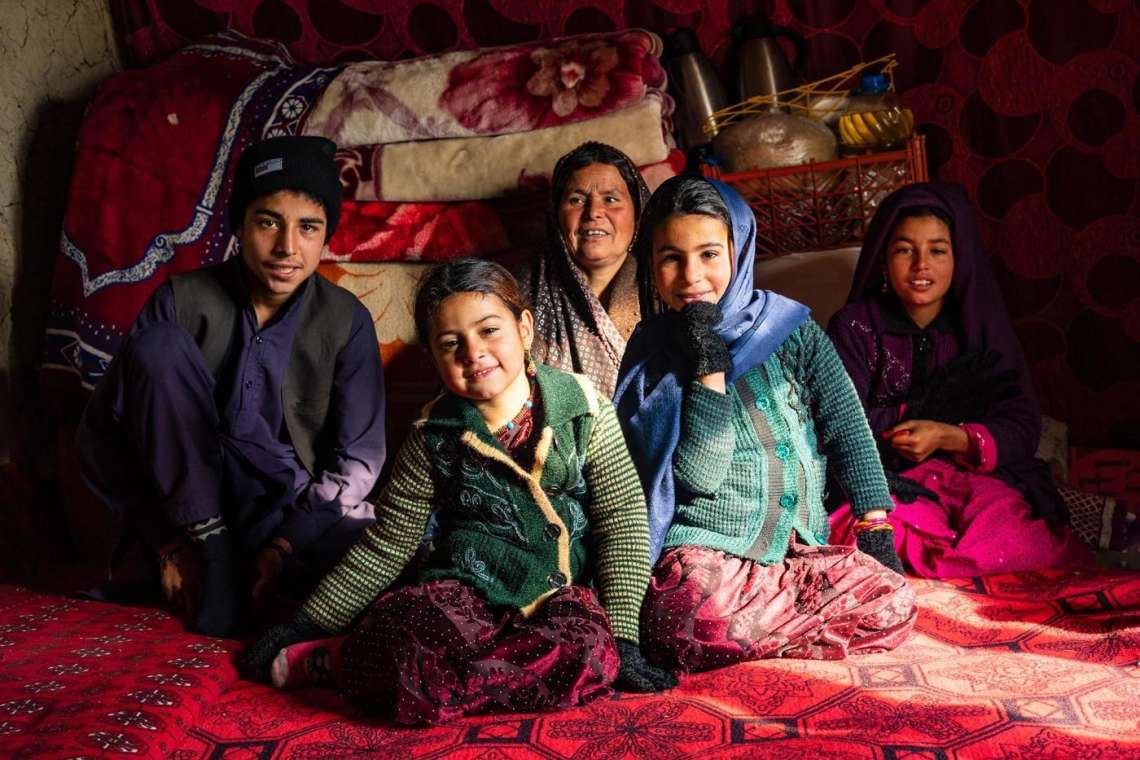
Sadly, Afghans have become persistent victims of cold statistics. Behind those figures are the faces of fathers, mothers, sons and daughters. Each one of them has a war story, although almost all of them never chose to go to war, added McKay.
“We Afghans are unlucky people,” one driver says with a sigh. “But look at this beautiful place. We would be the luckiest people if the wars ever really stopped.”
Many public services, including those in the health sector, have stopped. Girls’ education has halted, with Taliban officials claiming to me that they don’t have the financial resources to ensure the complete segregation of genders, as per their stringent interpretation of Islamic values, reported The Dallas Morning News.
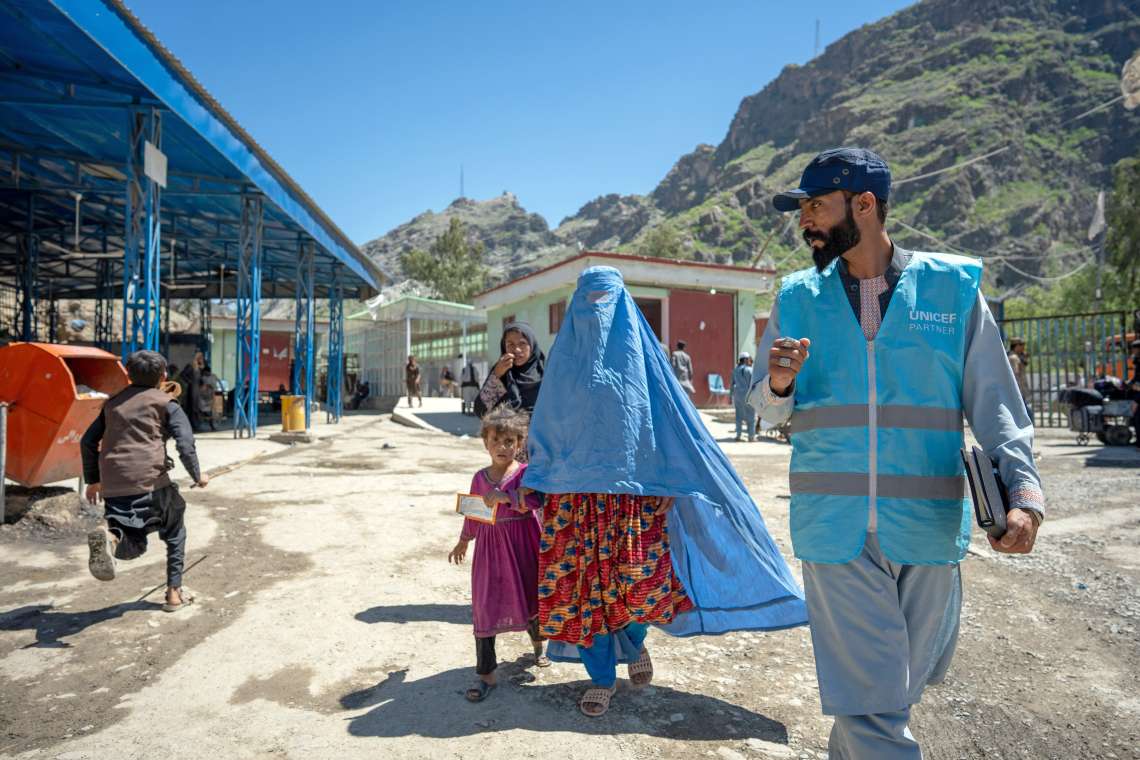
Moreover, employment is hard to come by across almost all sectors. There are no hard figures, but almost everyone you meet is either pleading to leave or pleading to find work. The millions who, just weeks ago, had government positions are mostly jobless.
And those in the private sector, from doctors and lawyers to artists, journalists and entrepreneurs, have also been thrust into a daunting new world of the unknown.
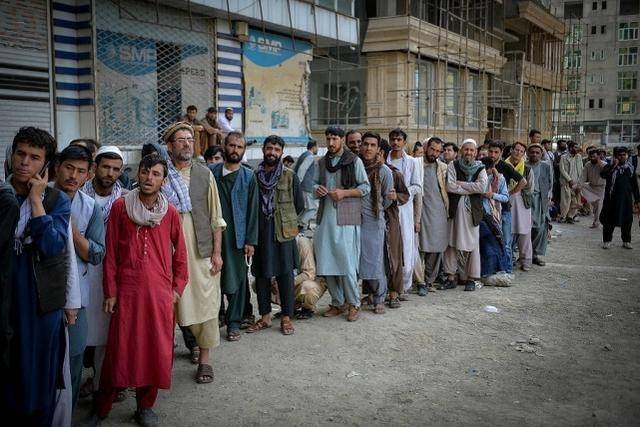
Afghans left behind to pick up the pieces of their unpredictable lives face a high level of fear, says McKay.
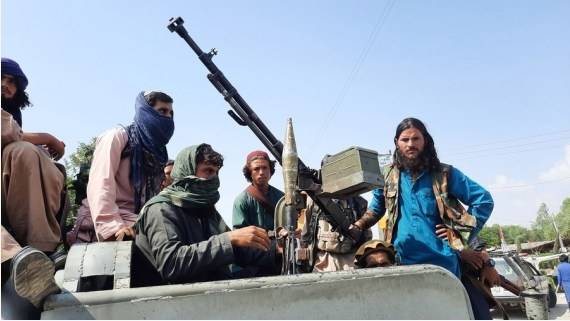
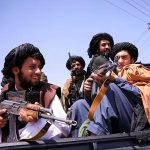
In the weeks after their sudden storm to the throne, the Taliban reinstated the Ministry for Propagation of Virtue and Prevention of Vice, which was dissolved following the US invasion. This struck fear in the hearts of Afghans, who retain wincing memories of its draconian and violent practice of Islamic law.
“We will punish as per the Islamic rules,” Mohammad Yousuf, who believes he is around 32 years old and who is responsible for the “central zone” of Afghanistan, tells me, after having begrudgingly agreed to interview with a woman. “Whatever Islam guides us, we will punish accordingly.”
Also, there are rumblings of internal power plays and splintering among the Taliban top brass. There is an undeniable sense that Afghanistan is constantly teetering, always waiting, for one war to end and another to erupt, says Mckay. (ANI)