August 10, 2021
4 mins read

Oil-rich Sudan begins to sense Chinese exploitation

Though many economists differ on the exact figure and debt estimates, the Chinese direct and indirect investment in Sudan is alleged to be nothing less than 29 billion dollars….reports Asian Lite News

China has provided numerous interest-free loans and grants to the Sudanese government for diverse projects, but the country has now begun to sense the exploitation being meted out to them by the Chinese.

Mario de Gasperi, writing in the Center of Political and Foreign Affairs (CPFA) said that media reports indicate that Sudan, the strategically located oil-rich African nation is facing one of its worst economic crises.

The country is apparently under a debt burden worth about 20 billion dollars to China. Though many economists differ on the exact figure and debt estimates, the Chinese direct and indirect investment in Sudan is alleged to be nothing less than 29 billion dollars.

Like many other African nations, unaware of the systemic form of the Chinese intrusion, Sudan too welcomed Chinese investments with open arms and allowed the Chinese state-owned China National Petroleum Corporation (CNPC) to make massive inroads in the much-valued petroleum sector.

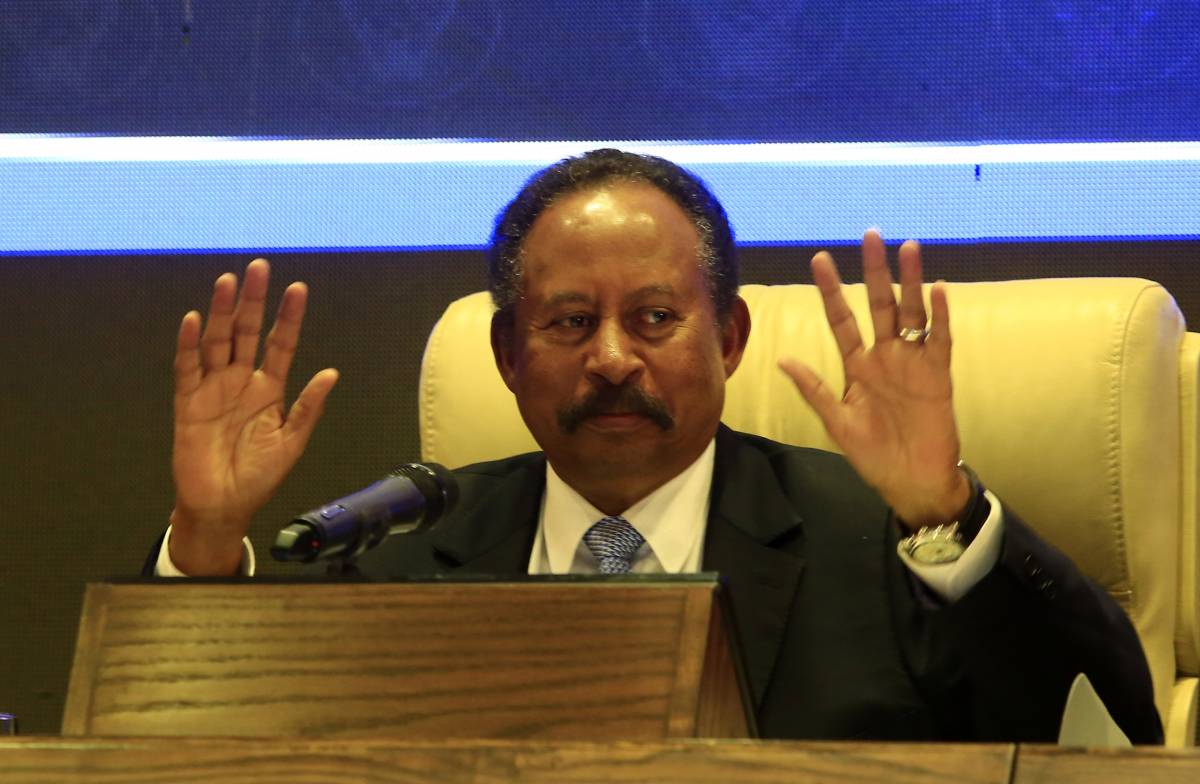
But now, Sudan’s Prime Minister called out the dubious role of Chinese entities in the oil sector by seeking a review of all agreements signed with China in the past.
In another significant development, much to the chagrin of the Chinese, Sudan also chose the AstraZeneca vaccine while neglecting the Chinese offer for vaccines to handle the Covid19 pandemic which is alleged to have emerged from the Chinese heartland.

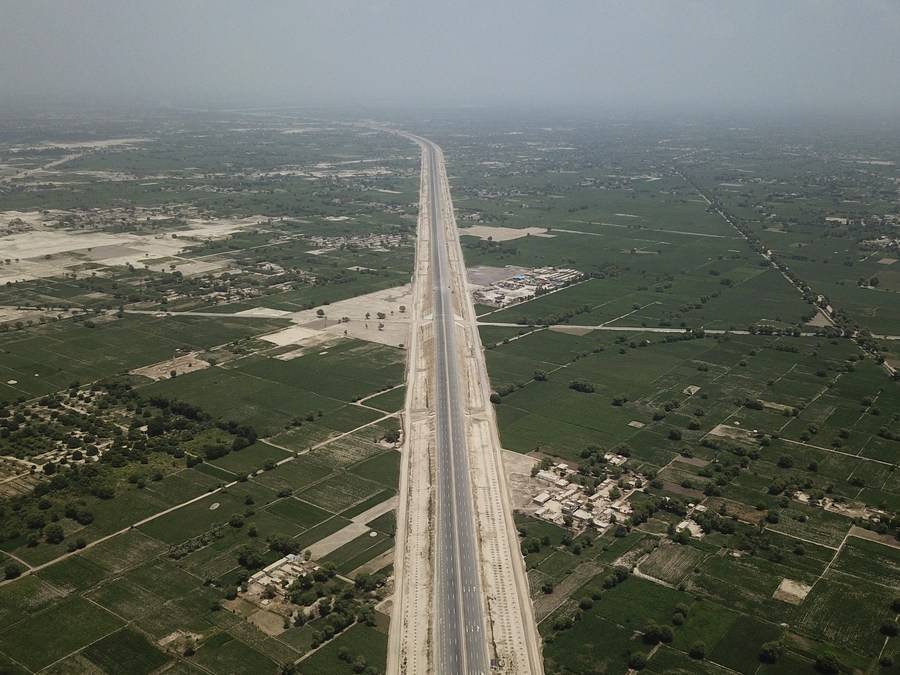
China has been investing heavily in Sudan in diverse projects including the construction of oil pipelines, bridges in Hantoop, Singa, on the Nile River along with building textile mills, railway lines and a free trade zone in the Red Sea state.

CNPC even obtained significant concessions through the Sudanese oil ministry to access and utilize untapped oil reserves with almost no competition.

Taking a cue from CNPC, other Chinese companies too have heavily invested in the oil reserves of Sudan and are brazenly looting the country’s natural resources, said Gasperi.

Singularly, Sudan’s debt to CNPC with regard to exploration of oil at Block No. 6 of Muglad Basin of West Kordofan state is itself over USD 2.5 billion. One can only speculate the extent of Sudan’s debts when all the Oil blocks are taken into account.

In fact, so sordid are the state of affairs that CNPC, at present, holds 95 per cent rights in basin exploration while Sudapet, a Sudanese commercial entity has a mere 5 per cent, reported CPFA.

Not just in Oil, across multiple domains in over 200 projects in the field of agriculture, services and manufacturing including areas like farming, abattoirs, trade, mining, health, water supply etc more than 130 Chinese companies are directly involved in Sudan. Even construction and upgrading of numerous power projects is being done using Chinese money.

It is true that China has been consistent in the provision of loans and grants to African countries. However, these loans are driven by self-interests to usurp the properties they generate rather than aiding the welfare of the African nations.

This is also the reason why China provides loans through front companies and not through transparent mechanisms such as the G-20 Debt Service Suspension Initiative (DSSI) meant to grant waivers for repayment of interest-free loans to help ailing African economies, said Gasperi.

In recent times, with the international community recognizing and calling out Chinese tactics of dominance in Africa, China is reportedly increasingly investing through private players who impose prior stringent agreements with the debtor parties rather than engaging with government entities on vague terms.

China has also been exercising

its influence on the Sudanese media with Chinese Ambassadors regularly interacting with media houses and contributing numerous articles praising China’s role in ‘developing’ the country’s economy.

This campaign is further accentuated by a regular feature of the Ambassador in the English newspaper ‘Sudan Voice’. It seems the Sudan News Agency (SNA) has an implicit understanding of the Chinese to spread the Chinese school of thought in Sudan. The SNA has also enhanced its exchange programmes with regular visits of Sudanese journalists to China, reported CPFA.

Of late, however, the tide has turned and many African nations including Sudan have begun to sense the exploitation being meted out to them by the Chinese. (ANI)

ALSO READ: Sudan welcomes Algerian initiative to hold Nile dam meeting

Previous Story

Pakistan replaces Belt & Road chief to lure China

Next Story

US biggest threat to peace, stability in South China Sea: China

Previous Story

Pakistan replaces Belt & Road chief to lure China

Next Story

US biggest threat to peace, stability in South China Sea: China

Latest from -Top News

Pakistan Risks Overstretching Itself in Yemen War

Pakistan’s expanding military role in Saudi Arabia amid the Yemen conflict could strain its defence resources and fragile finances…reports Asian Lite News Desk Pakistan’s military involvement in the war in Yemen may prove unsustainable because of mounting financial pressures and competing security demands, according to a new report. Islamabad’s growing military presence in Saudi Arabia risks stretching its defence resources while exposing the country to greater strategic and economic challenges. An article by Andrew Wilson in One World Outlook describes Pakistan’s involvement as a case of “fiscal and strategic overreach”, arguing that the country lacks the financial flexibility to sustain an expanded military commitment. Pakistan’s external finances depend heavily on an International Monetary Fund (IMF) programme, financial support from Gulf countries and remittances from Pakistani workers in the region. The report argues that deeper military involvement in the conflict could place additional pressure on these sources of financial stability. It also warns that deploying troops and military equipment abroad could weaken Pakistan’s capacity to address security challenges along its eastern border and deal with two domestic insurgencies. The move could also draw Islamabad into a conflict it has sought to approach cautiously. A Reuters report in May, citing Pakistani security and government sources, said Islamabad had deployed around 8,000 troops, a squadron of approximately 16 aircraft, mostly JF-17 fighter jets, two drone squadrons and a Chinese HQ-9 air-defence battery to Saudi Arabia. According to those sources, Riyadh was financing the deployment, with Pakistani personnel operating the equipment. The sources also said a confidential agreement contemplated the possibility of deploying up to 80,000 troops. Islamabad has not confirmed those figures, although it has acknowledged its military presence in Saudi Arabia, including the deployment of fighter jets at King Abdulaziz Air Base from April. The One World Outlook article argues that Saudi financial support can cover allowances and operating expenses but cannot easily replace military equipment needed elsewhere or resolve the political and strategic challenges of participating in the Yemen conflict. Pakistan’s defence budget is another concern. For the 2026-27 financial year, the federal government allocated PKR 3 trillion, or approximately $10.8 billion, to defence services. The allocation represents an 18 per cent increase from the original PKR 2.55 trillion provision and amounts to around 2.1 per cent of projected gross domestic product (GDP). Defence spending accounts for approximately 16 per cent of the federal government’s PKR 18.8 trillion expenditure. Military pensions are budgeted separately at PKR 822 billion, while debt servicing costs stand at approximately PKR 8 trillion, more than two-and-a-half times the defence allocation. The report argues that these competing financial obligations leave little room for additional military expenditure without placing further pressure on public finances. Pakistan’s reliance on IMF assistance also limits its fiscal flexibility. The country must meet the conditions attached to the programme, including a primary budget surplus target of 2 per cent of GDP and continued restraint on development spending. According to the article, these requirements make it difficult for Islamabad to finance an additional military commitment without compromising other budgetary priorities. Pakistan’s economic indicators offer limited reassurance. Economic growth for the 2025-26 financial year is estimated at between 3.6 and 3.7 per cent, while inflation reached approximately 10.3 per cent in September following an energy price shock. Foreign exchange reserves stood at around $21.5 billion at the end of September. Although this marks an improvement from the low levels recorded in 2023, the report notes that the reserves cover only a few months of imports. Financial assistance from Gulf partners remains central to Pakistan’s external stability. The article says Islamabad holds approximately $8 billion in Saudi deposits at its central bank. In July, the State Bank of Pakistan said Riyadh had extended the maturity of $5 billion in deposits to December 2028, easing the country’s immediate external financing requirements. A further $3 billion deposit was also extended in the spring. However, the article argues that these arrangements provide temporary relief rather than long-term financial independence, particularly as regional conflict threatens the stability of the Gulf economies on which Pakistan relies. The report concludes that Pakistan faces a difficult balance between supporting Saudi Arabia militarily and preserving the financial and military resources needed to address its domestic and regional challenges.

UK and Germany Ratify Kensington Treaty

Britain and Germany ratify the Kensington Treaty, agreeing new cooperation on AI, quantum research, defence and security while targeting investment, jobs and Russian hybrid threats…reports Asian Lite News Desk Britain and Germany

Economic tide is turning in Bangladesh

If there is one thing that can bring some comfort to the struggling Bangladeshi economy, it is good relations with India. Bangladesh should remember that Delhi’s backing, through easy supplies of essentials
Go toTop

Don't Miss

SECURITY: Advantage India as US Turns Focus on Asia-Pacific

In the Western diplomatic toolkit, Quad is at the forefront

New report exposes China’s role in stalling Covid probe

Chinese researchers directed a US government archive to delete gene