October 3, 2021
4 mins read

Qatar not happy with Taliban’s treatment of women

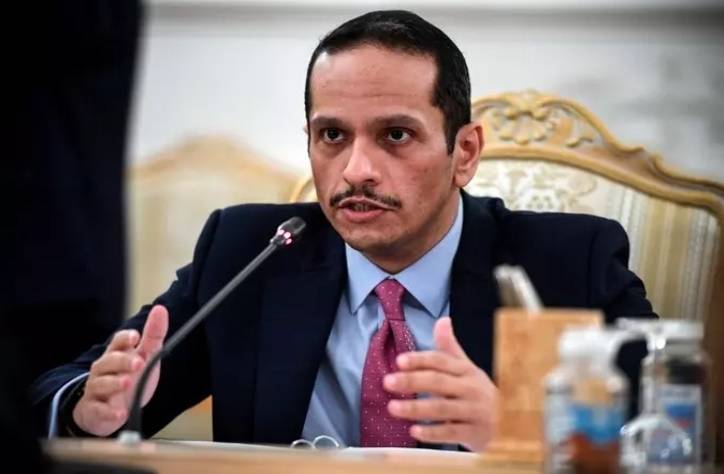
Mentioning the Taliban’s refusal to allow Afghan female secondary school and university students to resume their studies, Al-Thani said that such moves are “very disappointing” and the group has gone back to their old regressive regime…reports  Mrityunjoy Kumar Jha

The wealthy Gulf Emirate of Qatar, known as much for its copious gas reserves as its diplomatic activism has advice for the Taliban, which is struggling to acquire legitimacy for its rule in Afghanistan.

“One of the examples is the State of Qatar, which is a Muslim country; our system is an Islamic system but we have women outnumbering men in workforces, in government and in higher education,” Sheikh Mohammad bin Abdulrahman Al-Thani, the foreign Minister of Qatar asks the Taliban to learn from his country’s system of governance as reported by Al Jazeera news channel.

Analysts say that Qatar pursues a hybrid model. Though it has an unelected government, and is therefore by nature authoritarian, has been a strong advocate constitutional monarchy, an idea pursued by the Muslim Brotherhood. Doha was a strong player during the Arab Spring, supporting Mohamed Morsy’s Muslim Brotherhood government in Egypt, which toppled long-time dictator Hosni Mubarak. It also was a key backer of Islamic extremists who toppled the government of Muammar Gaddafi in Libya. Qatar is allied with Turkey to pose an alternative to liberal democracies with a hybrid model which marries Islamic principles with free elections, and , at least on paper, free speech.
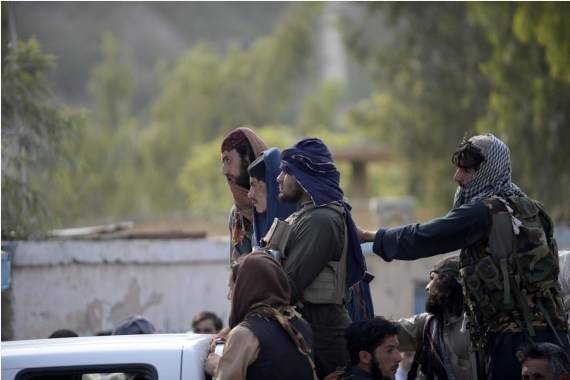
Qatar is disappointed by the Taliban’s handling of human rights in Afghanistan, particularly its treatment of women and girls. Mentioning the Taliban’s refusal to allow Afghan female secondary school and university students to resume their studies, he says such moves are “very disappointing” and the group has gone back to their old regressive regime.

Al-Thani told the Taliban leadership to learn from his country- Qatar for how to run an Islamic system. “We have also been trying to demonstrate for the Taliban how Muslim countries can conduct their laws, how they can deal with the women’s issues. The recent actions that we have seen unfortunately in Afghanistan, it has been very disappointing to see some steps being taken backwards,” Al Jazeera news channel quoted Al-Thani as saying.

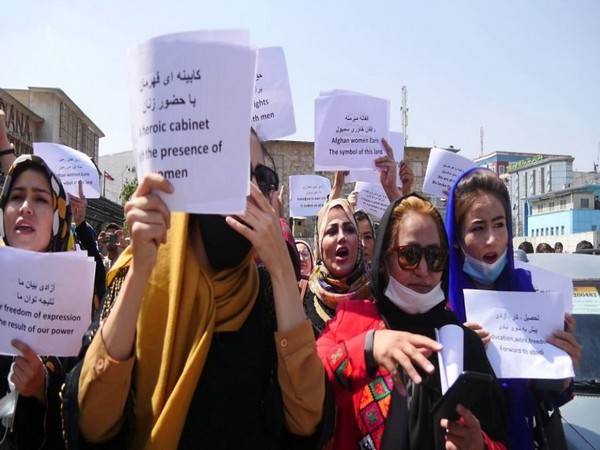
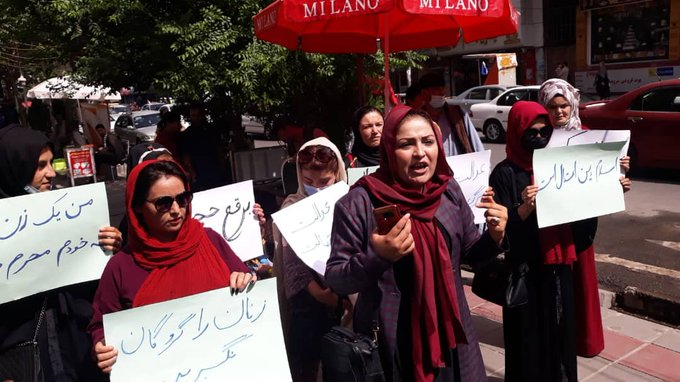
Al-Thani’s comments come amid mounting fears the Taliban will erase many of the hard-won gains for Afghan women. The Taliban made repeated pledges in recent days to rule with greater moderation than they had in their last stint in power. However, women have been banned from going to offices and sports and the Taliban have used violence in recent days against women protesters demanding equal rights.

They promised that female students will be allowed to go to universities and secondary schools with strict restrictions including dress code but so far, they are not allowed to go back to their classes. Despite the threat of violent beatings and retaliation, everyday women are protesting calling for the Taliban to respect their rights and making it clear that they would not easily surrender the gains they have made over the past two decades.
Notorious for their brutal and oppressive rule from 1996 to 2001, the Taliban had promised a more inclusive government this time. However, all the top positions were handed to key leaders from the movement and the Haqqani network – the most violent faction of the Taliban, known for devastating attacks.

While the Taliban is struggling to get recognition from the world, Qatar’s role has become very important as it is known for having close ties with the insurgent group that means it will be intrinsically tied to the group’s actions – and to the extent that the Taliban rulers do or do not uphold their promises to the international community. Factions developing within the Taliban make this an increasingly tricky proposition.

The Qatari minister said while the international community is waiting for the Islamist group to fulfil its promises, they must not isolate the Taliban.

“The position of the state of Qatar as a mediator in the first place has remained impartial and we have said isolation will never be answered, recognition is not a priority but engagement is the only way forward for all of us,” said Al-Thani.

Western governments have said any engagement with the Taliban regime will be conditional on not becoming a haven for terrorist organizations, respecting human rights including women rights and education and forming an inclusive government but it is yet to be seen how much Qatar can influence the Taliban’s approach to the education of women and girls, though the Qatari ruling family has identified that as a priority.

(The content is being carried under an arrangement with indianarrative.com)
ALSO READ: Imran brokers peace between Tajikistan, Taliban

ALSO READ: Qatar emerges as bridge between Taliban and world

Previous Story

Egypt-based Muslim Brotherhood targets South Asia

Next Story

Iran denounces Israeli FM’s visit to Bahrain

Previous Story

Egypt-based Muslim Brotherhood targets South Asia

Next Story

Iran denounces Israeli FM’s visit to Bahrain

Latest from -Top News

Pakistan Risks Overstretching Itself in Yemen War

Pakistan’s expanding military role in Saudi Arabia amid the Yemen conflict could strain its defence resources and fragile finances…reports Asian Lite News Desk Pakistan’s military involvement in the war in Yemen may prove unsustainable because of mounting financial pressures and competing security demands, according to a new report. Islamabad’s growing military presence in Saudi Arabia risks stretching its defence resources while exposing the country to greater strategic and economic challenges. An article by Andrew Wilson in One World Outlook describes Pakistan’s involvement as a case of “fiscal and strategic overreach”, arguing that the country lacks the financial flexibility to sustain an expanded military commitment. Pakistan’s external finances depend heavily on an International Monetary Fund (IMF) programme, financial support from Gulf countries and remittances from Pakistani workers in the region. The report argues that deeper military involvement in the conflict could place additional pressure on these sources of financial stability. It also warns that deploying troops and military equipment abroad could weaken Pakistan’s capacity to address security challenges along its eastern border and deal with two domestic insurgencies. The move could also draw Islamabad into a conflict it has sought to approach cautiously. A Reuters report in May, citing Pakistani security and government sources, said Islamabad had deployed around 8,000 troops, a squadron of approximately 16 aircraft, mostly JF-17 fighter jets, two drone squadrons and a Chinese HQ-9 air-defence battery to Saudi Arabia. According to those sources, Riyadh was financing the deployment, with Pakistani personnel operating the equipment. The sources also said a confidential agreement contemplated the possibility of deploying up to 80,000 troops. Islamabad has not confirmed those figures, although it has acknowledged its military presence in Saudi Arabia, including the deployment of fighter jets at King Abdulaziz Air Base from April. The One World Outlook article argues that Saudi financial support can cover allowances and operating expenses but cannot easily replace military equipment needed elsewhere or resolve the political and strategic challenges of participating in the Yemen conflict. Pakistan’s defence budget is another concern. For the 2026-27 financial year, the federal government allocated PKR 3 trillion, or approximately $10.8 billion, to defence services. The allocation represents an 18 per cent increase from the original PKR 2.55 trillion provision and amounts to around 2.1 per cent of projected gross domestic product (GDP). Defence spending accounts for approximately 16 per cent of the federal government’s PKR 18.8 trillion expenditure. Military pensions are budgeted separately at PKR 822 billion, while debt servicing costs stand at approximately PKR 8 trillion, more than two-and-a-half times the defence allocation. The report argues that these competing financial obligations leave little room for additional military expenditure without placing further pressure on public finances. Pakistan’s reliance on IMF assistance also limits its fiscal flexibility. The country must meet the conditions attached to the programme, including a primary budget surplus target of 2 per cent of GDP and continued restraint on development spending. According to the article, these requirements make it difficult for Islamabad to finance an additional military commitment without compromising other budgetary priorities. Pakistan’s economic indicators offer limited reassurance. Economic growth for the 2025-26 financial year is estimated at between 3.6 and 3.7 per cent, while inflation reached approximately 10.3 per cent in September following an energy price shock. Foreign exchange reserves stood at around $21.5 billion at the end of September. Although this marks an improvement from the low levels recorded in 2023, the report notes that the reserves cover only a few months of imports. Financial assistance from Gulf partners remains central to Pakistan’s external stability. The article says Islamabad holds approximately $8 billion in Saudi deposits at its central bank. In July, the State Bank of Pakistan said Riyadh had extended the maturity of $5 billion in deposits to December 2028, easing the country’s immediate external financing requirements. A further $3 billion deposit was also extended in the spring. However, the article argues that these arrangements provide temporary relief rather than long-term financial independence, particularly as regional conflict threatens the stability of the Gulf economies on which Pakistan relies. The report concludes that Pakistan faces a difficult balance between supporting Saudi Arabia militarily and preserving the financial and military resources needed to address its domestic and regional challenges.

UK and Germany Ratify Kensington Treaty

Britain and Germany ratify the Kensington Treaty, agreeing new cooperation on AI, quantum research, defence and security while targeting investment, jobs and Russian hybrid threats…reports Asian Lite News Desk Britain and Germany

Economic tide is turning in Bangladesh

If there is one thing that can bring some comfort to the struggling Bangladeshi economy, it is good relations with India. Bangladesh should remember that Delhi’s backing, through easy supplies of essentials
Go toTop

Don't Miss

Qatar tourism unveils budget-friendly restaurants

While Qatar excels in luxury offerings, the country also allows

Possession is not everything in Qatar 2022

Morocco aren’t fooling anyone after rugged defensive displays against Spain