John Sopko accused Taliban of being responsible for the continued rise in violence
Afghanistan remains exceptionally reliant upon foreign assistance, creating both an opportunity for donors to influence events there as foreign troops depart,said John Sopko…reports Asian Lite News
The US Special Inspector General for Afghanistan Reconstruction, John Sopko, at the House Committee on Oversight and Reform Subcommittee on National Security has said that the Taliban have not significantly changed their high levels of violence, or military and political objectives.
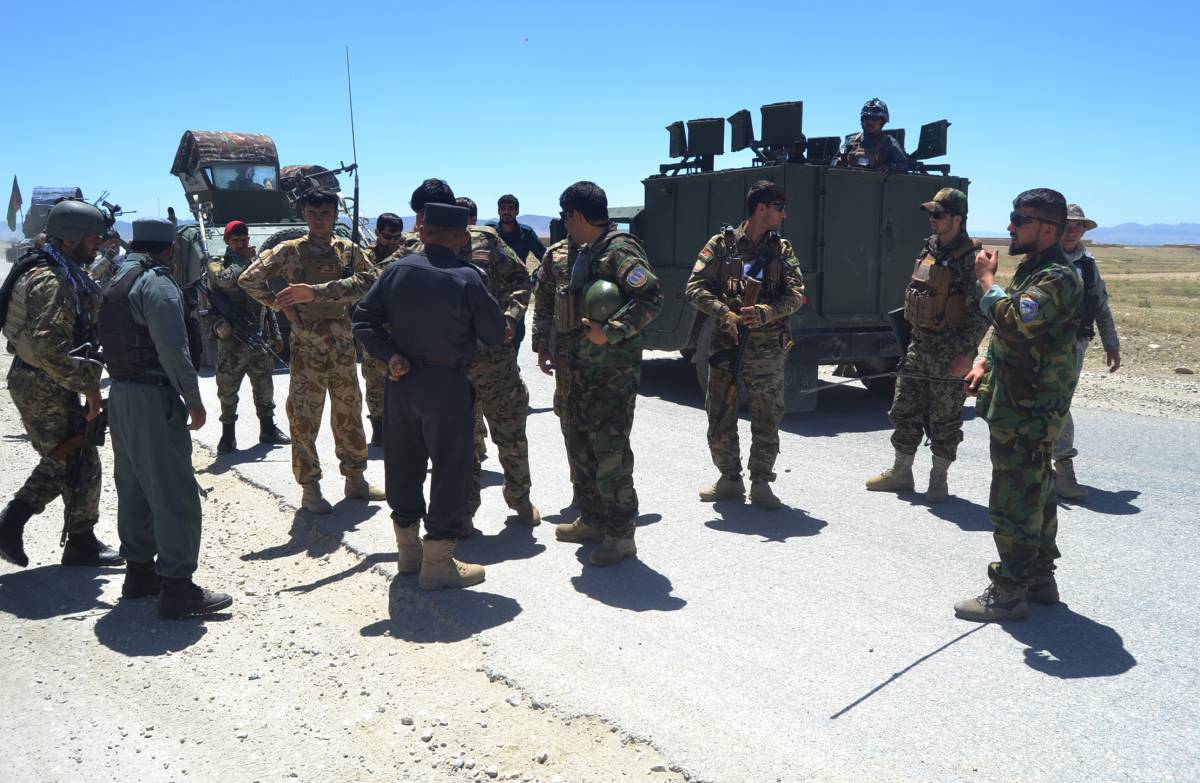
“Security remains the most crucial and enduring high-risk area for Afghanistan,” Spoko said on Tuesday, adding that “Terrorist groups in Afghanistan like Daesh and al-Qaeda, although reduced, remain in the country.”
He said that the ongoing peace negotiations between the Afghan government and the Taliban raise questions and concerns about whether the fragile gains made by women and girls will be preserved in a future peace agreement, Tolo news reported.
“Discrimination persists, and possible policy changes by whatever form of government might follow an Afghan peace agreement could undermine women’s gains,” he said.
Civilian casualties
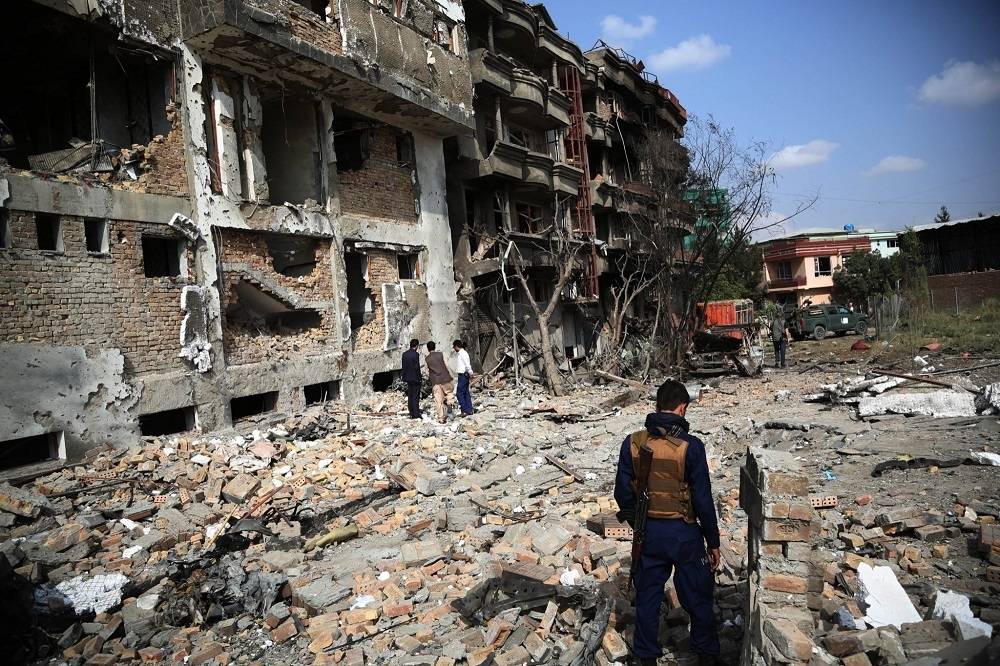
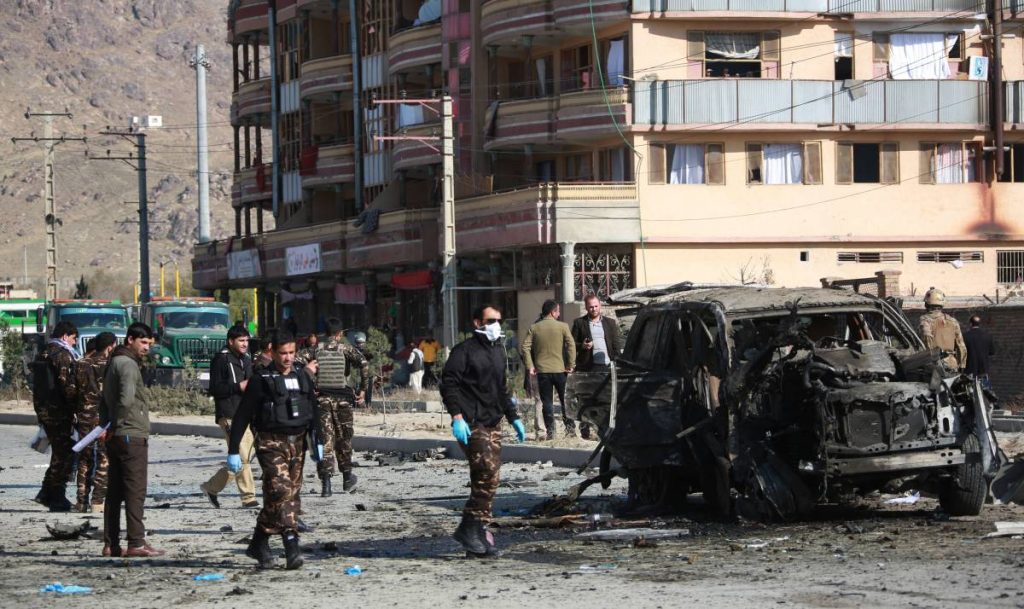
Spoko also mentioned that the civilian casualties also remain high—the numbers of civilian casualties violently killed and wounded in the last quarter of 2020 were the third highest in the last two years.
He said that Afghanistan remains exceptionally reliant upon foreign assistance, creating both an opportunity for donors to influence events there as foreign troops depart, adding that “and risks to a potential peace if they reduce assistance too much, too fast, or insist on conditions that cannot be achieved by the parties to the conflict.”
Spoko added that the UN Development Programme estimates that poverty in Afghanistan, defined as income of 2,064 afghanis per person per month (around $1 a day), has increased to 68 per cent from its pre-pandemic level of 55 per cent.
“Afghanistan is poor and suffers from illiteracy, inadequate infrastructure, weak governance, and now, heavy impacts from the Covid pandemic,” he said.
SIGAR investigations have identified corruption at virtually every level of the Afghan state—from salaries paid by international donors for Afghan soldiers & police who do not exist—to theft of US-military-provided fuel on a massive scale, he said.
“While the Afghan government has repeatedly assured the international community that it has the political will to combat corruption and make needed institutional reforms, it has a mixed record of completing them,” Spoko added.