September 6, 2021
4 mins read

Britain plans vaccine passport for nightclubs

The plans mean that people who want to enter nightclubs and other large-scale events will be required to show proof they have had two doses of a coronavirus vaccine, reports Asian Lite News

The government has confirmed that it plans to introduce vaccine passports for nightclubs and large-scale gatherings from next month.

Vaccines minister Nadhim Zahawi said Sunday that officials are looking to begin the certification measures from the end of September, when the whole over-18 population would have been offered two Covid-19 vaccine doses.

Zahawi told Sky News that this was the “right thing to do” to ensure the economy remains open. Lawmakers and businesses, however, have criticized the measure as divisive and say they could embroil nightclubs in discrimination cases.
“The best thing to do is to work with the industry to make sure that they can open safely and sustainably in the long term, and the best way to do that is to check vaccine status,” he said.

The plans mean that people who want to enter nightclubs and other large-scale events will be required to show proof they have had two doses of a coronavirus vaccine.

Scottish leader Nicola Sturgeon said earlier this week vaccine passports will be required for nightclubs and large events from later this month as Scotland faces a spike in infections.

Britain records 37,011 new cases

Meanwhile, Britain recorded 37,011 new daily Covid-19 cases on Sunday, similar to the previous day’s total of 37,578, government statistics showed.

There were 68 deaths within 28 days of a positive coronavirus test reported, down from Saturday’s figure of 120. Figures can fluctuate due to hospital reporting patterns over the weekend.

No jab for young those between 12-15

Britain’s Chief Medical Officers (CMOs) will provide further advice on the Covid-19 vaccination of young people aged between 12 and 15 years after the government’s vaccine advisory body on Friday did not give its green light for vaccinating those falling in the age group on health grounds.

The independent Joint Committee on Vaccination and Immunisation (JCVI) concluded that the benefits are “insufficient” to support a universal offer of mass Covid vaccinations for all healthy children in this age group.

However, it has recommended that an even wider group of 12 to 15-year-olds with underlying health conditions should be given the Covid jab.

“The JCVI’s view is that overall, the health benefits from Covid-19 vaccination to healthy children aged 12 to 15 years are marginally greater than the potential harms,” said Wei Shen Lim, Chair of Covid-19 Immunisation for the JCVI.

“Taking a precautionary approach, this margin of benefit is considered too small to support universal Covid-19 vaccination for this age group at this time,” he said.

Covid-19 vaccinations in the UK are currently being offered to all adults aged 16 and over, with the JCVI tasked with looking at expanding this cohort.

It said that as its advice focussed on the narrow health parameters, the government could consider the wider societal impact such as disruption to schools. Therefore, the CMOs have been tasked with the process of assessing the broader impact of universal Covid-19 vaccination in this age group.

They will now convene experts and senior leaders in clinical and public health to consider the issue and present their advice to ministers on whether a universal programme should be taken forward.

“Our Covid-19 vaccines have brought a wide range of benefits to the country, from saving lives and preventing hospitalisations, to helping stop infections and allowing children to return to school,” said UK Health Secretary Sajid Javid.

“People aged 12 to 15 who are clinically vulnerable to the virus have already been offered a Covid-19 vaccine, and today we’ll be expanding the offer to those with conditions such as sickle cell disease or type 1 diabetes to protect even more vulnerable children,” he said.

Javid has joined the health ministers from across Scotland, Northern Ireland and Wales to write to the CMOs of all devolved regions of the United Kingdom to ask that they consider the vaccination of 12 to 15 year-olds from a broader perspective, as suggested by the JCVI.

The UK’s medicines regulator, the Medicines and Healthcare products Regulatory Agency (MHRA), has approved the Pfizer and Moderna vaccines for people aged 12 and over.

Following this, the JCVI concluded that the health benefits from vaccination are marginally greater than the potential known harms and therefore advised the government to seek further input. This includes the impact on schools and young people’s education, which has been disproportionately impacted by the pandemic.

Meanwhile, an extra 200,000 teenagers with underlying conditions will now be eligible for two doses. Doctors identified that children with chronic heart, lung and liver conditions were at much higher risk of Covid than healthy children.

ALSO READ-Former aide of Prince Charles quits over honour claims

READ MORE-MPs told to dress appropriately in ‘business attire’

Previous Story

Kisan mahapanchayat decides to go aggressive on farm laws

Next Story

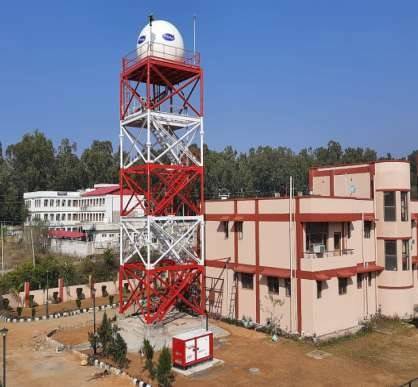
Jammu gets state-of-the-art Doppler Weather Radar

Previous Story

Kisan mahapanchayat decides to go aggressive on farm laws

Next Story

Jammu gets state-of-the-art Doppler Weather Radar

Latest from -Top News

India Funds Hindi News Service at UN

Hindi continues to retain its non-official language status at the United Nations, with India voluntarily funding initiatives to share UN news and information in the language…reports Asian Lite News Desk Hindi continues

Houthis Claim Missile Strike on Riyadh Airport

Yemen’s Houthi group claims a ballistic missile struck Riyadh’s King Khalid International Airport, with Saudi authorities yet to confirm the latest attack…reports Asian Lite News Desk Yemen’s Houthi group has claimed responsibility

US Green Card Freeze Hits Indian IT Giants

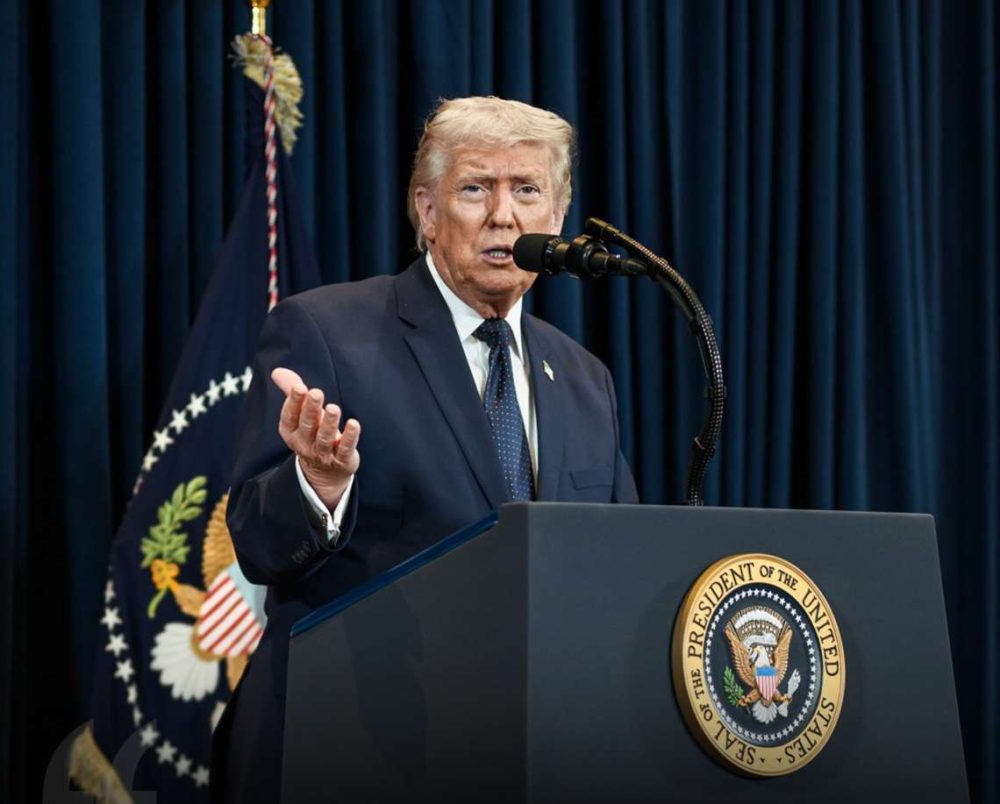
The Trump administration has suspended employment-based green card processing for eight major technology companies, including Infosys, TCS, Wipro and HCL, citing ongoing investigations…reports Asian Lite News Desk The Trump administration has suspended a key employment-based green card process for eight major technology and outsourcing companies, including Indian IT giants Infosys, Tata Consultancy Services, Wipro and HCL, as Vice President JD Vance announced a crackdown on alleged visa fraud. The suspension, announced on Thursday by US Labour Secretary Keith Sonderling at a press conference led by Vance, also covers Cognizant, Capgemini, Microsoft and Adobe. It bars the companies from filing new permanent labour certification applications and halts the processing of pending applications under the programme. Sonderling said the decision followed ongoing criminal and federal investigations into the companies. “Due to ongoing criminal investigations led by the Department of Labour’s Inspector General Anthony DiEsposito, who will get into this shortly, I am hereby suspending from the Permanent Labour Certification Program some of the largest IT outsourcing firms in the world, Cognizant, Infosys, Tata, Wipro, HCL, and Capgemini,” Sonderling said. He added that Microsoft and Adobe were also being suspended because of multiple active federal investigations. “We will not accept or process any pending permanent labour certification applications involving these companies,” he said. The Permanent Labour Certification programme, commonly known as PERM, is a key step in the process through which employers sponsor foreign workers for employment-based permanent residence in the United States. According to figures presented by Sonderling, the eight companies had collectively requested nearly three million foreign workers since 2009. They had received more than 230,000 H-1B visa approvals and over 100,000 permanent labour certifications. The administration did not disclose company-specific findings or provide details of the alleged violations during the press conference. Vance accused employers of using the H-1B visa programme to replace American workers with lower-paid foreign employees. He said the programme was intended to help companies recruit highly skilled workers for positions that could not be filled by American employees. “The H-1B visa program is meant to allow companies to bring in really the best of the best from outside the United States of America for positions that are completely impossible to fill with American workers,” he said. Vance singled out Microsoft, alleging that the company had laid off 6,000 American workers while benefiting from 6,300 H-1B visas and nearly 3,000 green cards. He said the administration wanted companies to change their hiring practices rather than withdraw from the American market. Asked whether the suspension would be temporary or permanent, Vance said, “The suspension of PERM is gonna last as long as it needs to.” He added that the administration had the tools to continue the suspension indefinitely but wanted the companies to improve their conduct. The US Justice Department also announced that it was actively investigating companies suspected of favouring foreign workers over American employees. Attorney General Todd Blanche said the authorities could pursue criminal prosecutions and civil lawsuits as part of the enforcement measures. The decision could have significant implications for Indian technology professionals and outsourcing companies operating in the United States, where Indian firms have long relied on employment-based immigration programmes to deploy skilled workers to American clients. The H-1B visa programme allows US employers to hire foreign workers in qualifying specialised occupations on a temporary basis. PERM, meanwhile, is part of a separate process through which employers seek to sponsor eligible foreign workers for permanent residence. The suspension announced on Thursday specifically concerns permanent labour certification applications involving the eight named companies. It does not, by itself, establish the cancellation of existing H-1B visas or green cards. The impact on individual employees will depend on their immigration status and the stage of their applications. The administration did not provide a detailed timeline for the suspension or specify when processing might resume.

Nepal Floods Cause $1.66 Billion In Damage, Says World Bank

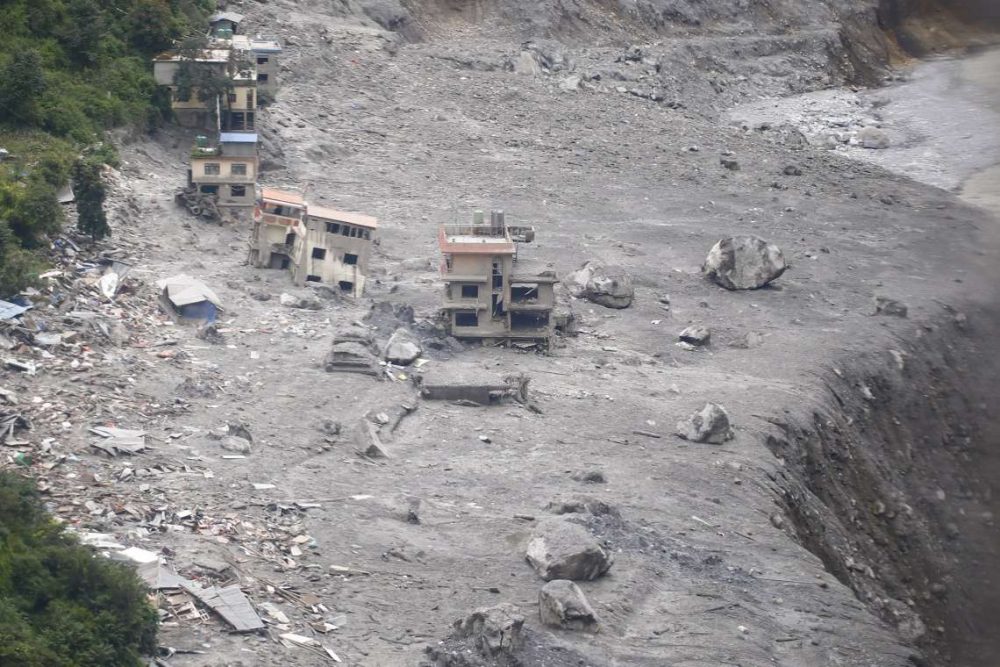
Nepal’s August 2026 floods caused an estimated US$1.66 billion in direct physical damage, with infrastructure accounting for 83 per cent of the total…reports Asian Lite News Desk Nepal’s devastating floods in August 2026 caused an estimated US$1.66 billion in direct physical damage, with infrastructure accounting for 83 per cent of the total, according to a World Bank report. The estimate, included in the World Bank’s Nepal Development Update unveiled this week, is close to the Nepal government’s preliminary Rapid Damage and Needs Assessment (RDNA), which put physical damage at US$1.81 billion. The government’s assessment also estimated losses beyond physical assets at US$883.32 million, taking the total economic effects of the disaster to approximately US$2.7 billion. The World Bank’s Global Rapid Post-Disaster Damage Estimation (GRADE) found that infrastructure suffered the greatest damage, estimated at US$1.38 billion, or 83 per cent of the total. Residential buildings accounted for US$185 million, or 11 per cent, while non-residential buildings sustained damage worth US$101 million, or 6 per cent. The floods along the Bhotekoshi and Trishuli rivers caused extensive damage to hydropower projects, solar energy facilities, electricity transmission infrastructure and transport networks. The energy sector, particularly hydropower, was among the worst affected. The August 2026 floods affected 12 hydropower projects and one solar project, involving 281.1 MW of operational capacity and 395.02 MW of capacity under construction. Damage to transmission lines and substations also disrupted the transmission of 149.6 MW of electricity to the national grid. The total affected capacity reached approximately 430.7 MW, equivalent to 10.6 per cent of Nepal’s installed hydropower and solar capacity at the end of fiscal year 2025-26, which concluded in mid-July. The disaster also severely damaged transport infrastructure along the 82-km Rasuwa trade corridor, which connects Kathmandu with the Rasuwagadhi border point with China. More than 55 km of the corridor was damaged, including 40 km that was completely destroyed. The floods also damaged 37 motorable bridges and 68 suspension bridges. The disaster resulted in significant human losses along the affected corridor and beyond. According to Nepal’s National Disaster Risk Reduction and Management Authority, 1,455 people had been confirmed dead, while 5,285 remained missing following the disaster. The World Bank report found that the physical damage was concentrated in three districts in central Nepal: Rasuwa, Nuwakot and Dhading. Rasuwa was the worst-affected district, accounting for US$1.07 billion, or 64 per cent, of the total direct damage. Nuwakot recorded an estimated US$551 million in damage, while Dhading suffered approximately US$39 million. “The findings highlight the concentration of physical damage in a small number of districts and the disproportionate impact on infrastructure, underscoring the scale of the reconstruction challenge facing the affected areas,” the World Bank said. The global development financier said the floods had demonstrated the scale and complexity of disaster risks in Nepal’s Himalayan environment. The event also showed how a single extreme weather event could trigger cascading impacts across sectors and geographical areas. The report said recovery efforts should extend beyond restoring infrastructure to its pre-disaster condition. While the principle of “Build Back Better” remained relevant, the World Bank stressed that rebuilding infrastructure to higher engineering standards in the same locations might not always be sufficient. “In some cases, simply rebuilding the same infrastructure in the same location to a higher engineering standard may not be sufficient. Nepal may need to build differently — based on a better understanding of risk, more careful decisions about location and design, greater redundancy in critical networks, stronger monitoring and early warning, and a more integrated approach to infrastructure development in the Himalayas,” the report said. The World Bank said Nepal’s recovery strategy should incorporate improved risk assessment, more informed infrastructure planning, stronger monitoring systems and better early warning mechanisms. The report emphasised that reconstruction should not only restore damaged assets but also reduce the impact of future disasters, particularly in the country’s vulnerable Himalayan regions.
Go toTop