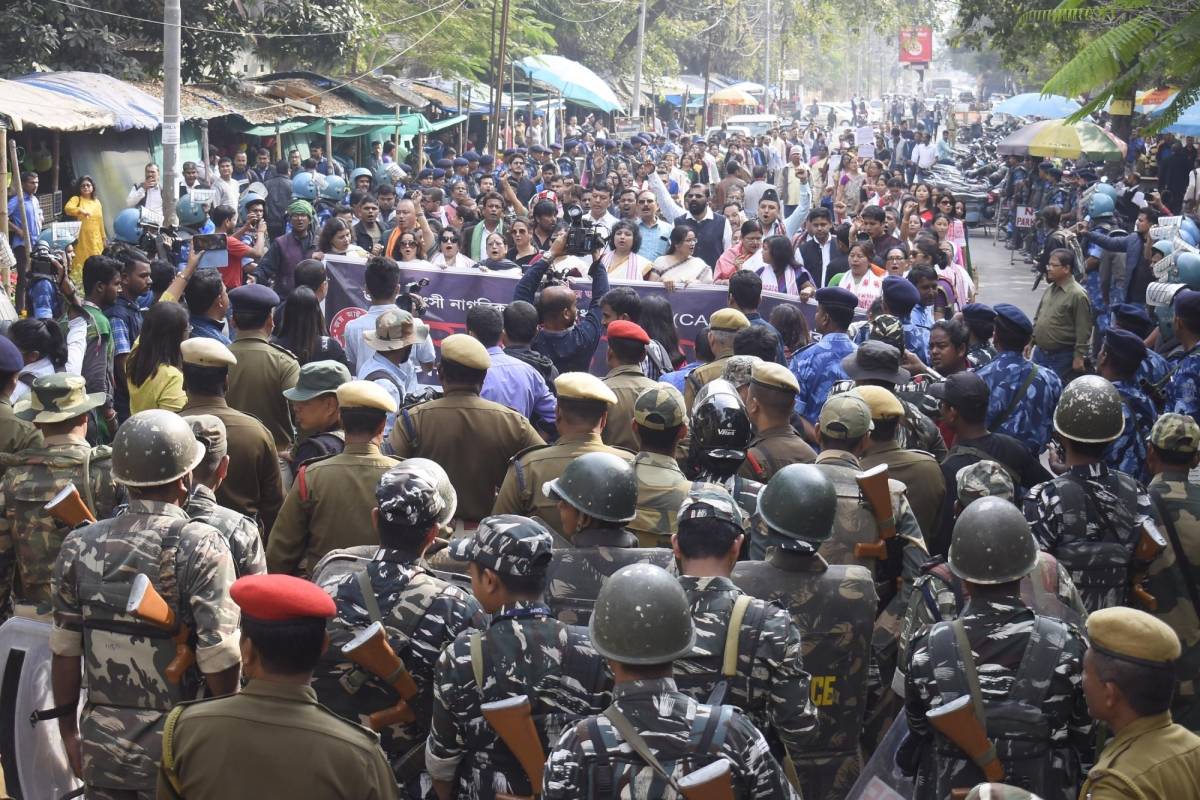
The AASU is one of the constituents of the NESO, an apex students’ body of eight organisations in the northeastern region…reports Asian Lite News
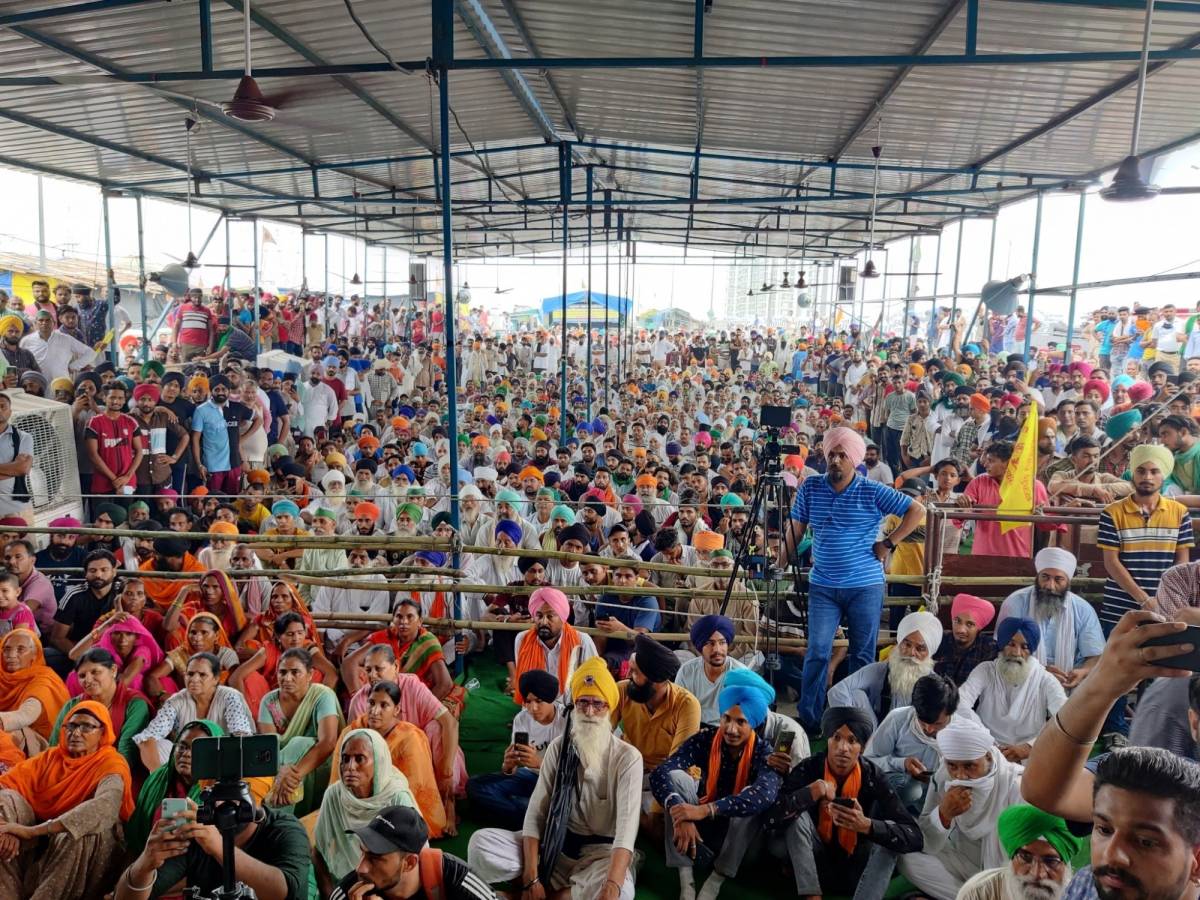
The anti-CAA (Citizenship Amendment Act) agitations returned to the northeastern region after two years with the influential North East Students’ Organisations (NESO) staging protests across the capitals of northeastern states on Wednesday in support of various demands including scrapping of the contentious law.
In Assam, a protest meeting was held by the All Assam Students Union (AASU) against the CAA.
The AASU is one of the constituents of the NESO, an apex students’ body of eight organisations in the northeastern region. NESO Advisor and AASU leader Samujjal Bhattacharya said that NESO staged peaceful protests at all the state capitals.
The protest is also pertaining to issues related to floods, influx of migrants, complete scrapping of the Armed Forces Special Powers Act, providing constitutional safeguards to the indigenous communities, the imposition of Inner Line Permit (ILP) to protect the indigenous people in all northeastern states and implementation of the Clause 6 of the Assam Accord, 1985.
The anti CAA protests had first started in Assam, parts of West Bengal and other northeastern states in 2019 and continued for some time till 2020 before the outbreak of Covid-19 pandemic.
At least five persons were killed in the protests against the CAA in Assam, which also witnessed large-scale violence and imposition of curfew for several days.
Besides the NESO, AASU, various tribal organisations, political parties including Congress and Left parties have strongly opposed the CAA.
The CAA seeks to grant Indian citizenship to non-Muslims minorities — Hindus, Sikhs, Buddhists, Jains, Parsis and Christians, who have migrated from Bangladesh, Pakistan and Afghanistan till December 31, 2014, after facing faith-based persecution.
Earlier, Union Home Minister Amit Shah said that the Citizenship Amendment Act (CAA) will be implemented after the COVID-19 precaution dose vaccination programme is completed.
The Citizenship (Amendment) Act, 2019 which was passed by the Parliament of India on December 11, 2019, but is yet to be implemented, aims to grant citizenship to those members of the Hindu, Sikh, Buddhist, Jain, Parsi and Christian communities who faced persecution in Afghanistan, Bangladesh and Pakistan.
Shah said this while giving assurance to West Bengal Leader of Opposition Suvendu Adhikari, who met the Home Minister in Parliament.
After the meeting, Adhikari said the Home Minister has conveyed to him that the work on implementing CAA will be speeded up immediately after the third dose of Covid vaccination is received by everyone.
Adhikari urged Home Minister to implement the citizenship law at the earliest.
CAA seeks to grant Indian citizenship to persecuted minorities from Hindu, Sikh, Jain, Buddhist, Parsi and Christian communities from Pakistan, Bangladesh and Afghanistan who had entered India on or before December 31, 2014. The Centre has said that citizenship to the eligible beneficiaries of CAA will be given only after rules under the legislation are notified.