May 10, 2022
4 mins read

Biden signs Ukraine Bill, seeks $40 billion aid

The signing came as the US Congress is poised to unleash billions more to fight the war against Russia — with Democrats preparing $40 billion in military and humanitarian aid, larger than the $33 billion package Biden has requested…reports Asian Lite News

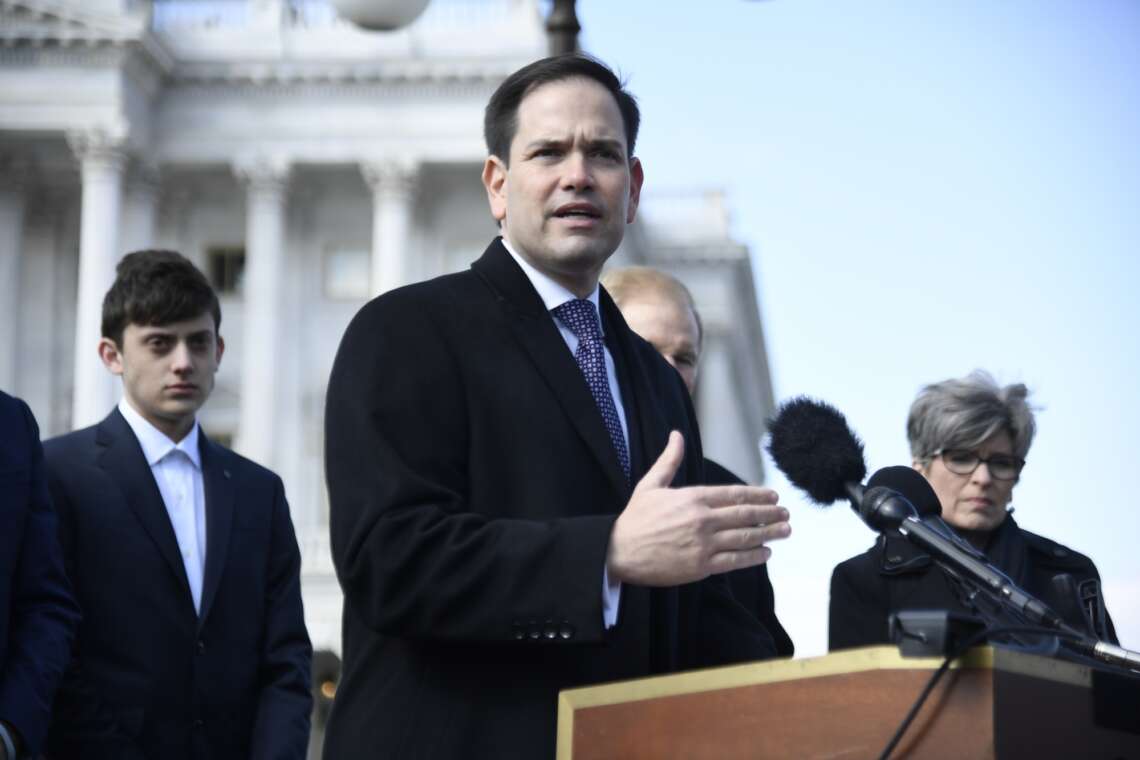
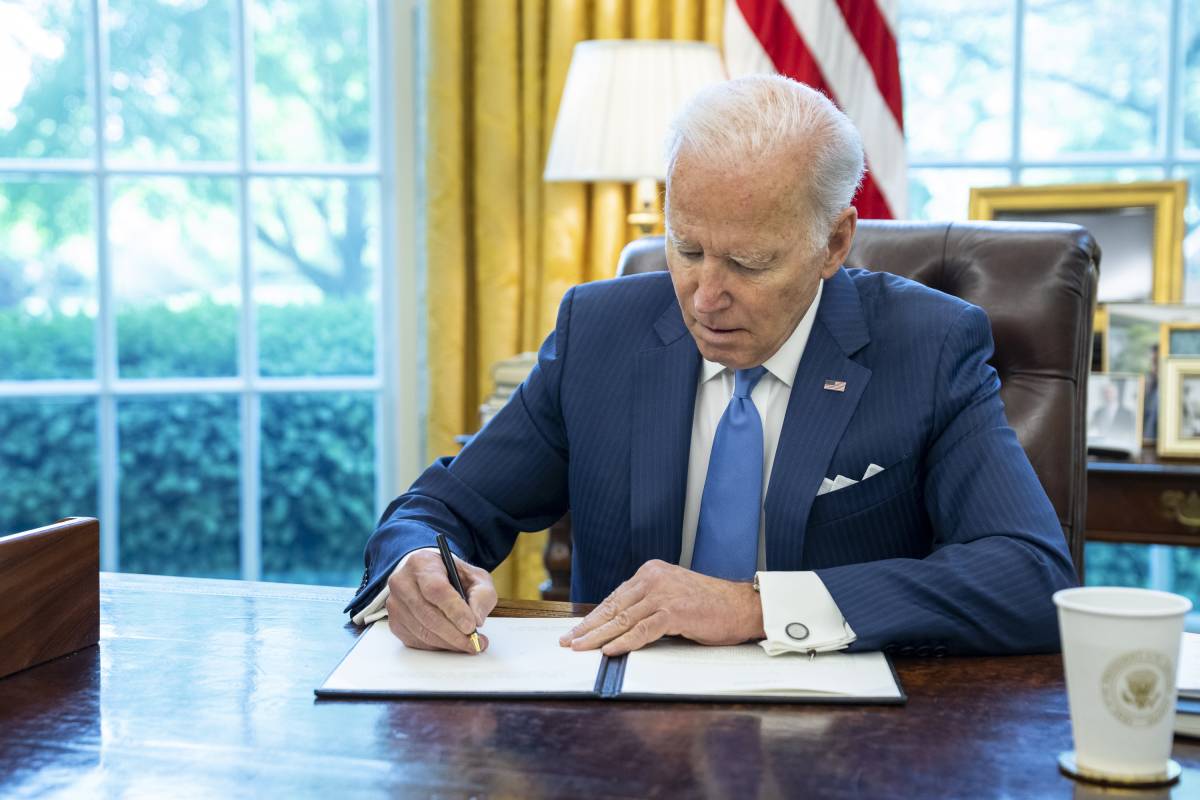
Washington sought to portray a united front against Russia’s invasion of Ukraine as President Joe Biden signed a bipartisan measure to reboot the World War II-era “lend-lease” program, which helped defeat Nazi Germany, to bolster Kyiv and Eastern European allies.

The signing on May 9 came as the US Congress is poised to unleash billions more to fight the war against Russia — with Democrats preparing $40 billion in military and humanitarian aid, larger than the $33 billion package Biden has requested.

It all serves as a rejoinder to Russian President Vladimir Putin, who has seized on Victory in Europe Day — the anniversary of Germany’s unconditional surrender in 1945 and Russia’s biggest patriotic holiday — to rally his people behind the invasion.

“This aid has been critical to Ukraine’s success on the battlefield,” Biden said in a statement.

Biden said it was urgent that Congress approve the next Ukraine assistance package to avoid any interruption in military supplies being sent to help fight the war, with a crucial deadline coming in 10 days.
“We cannot allow our shipments of assistance to stop while we await further Congressional action,” he said. He urged Congress to act — and “to do so quickly”.

In a letter delivered to Capitol Hill on Monday, Defense Secretary Lloyd Austin and Secretary of State Antony Blinken urged Congress to act before May 19, when the existing drawdown funds run out. The Pentagon has already sent or committed all but $100 million of the $3.5 billion in weapons and equipment that it can send to Ukraine from its existing stockpiles. And that final $100 million is expected to be used no later than May 19, they said.

The resolve from Biden and Congress to maintain support for Ukraine has been lasting, but also surprising. Still, as the months-long war with Russia grinds on, the bipartisan showing for Ukraine will be tested as the U.S. and allies are drawn closer toward the conflict.

The House could vote as soon as this week on the bolstered Ukraine aid package, sending the legislation to the Senate, which is working to confirm Biden’s nominee Bridget Brink as the new Ukrainian ambassador. The House’s Tuesday schedule mentioned the Ukraine legislation, but it was unclear how firm that was.

With the President’s party holding only the slimmest majorities in the House and Senate, Republican cooperation is preferred, if not vital in some cases, for passage of the president’s strategy toward the region.

“I think we will be able to do it as quickly as possible,” House Speaker Nancy Pelosi said over the weekend about an emerging aid package. “We have great bipartisanship in terms of our support for the fight for democracy that the people of Ukraine are making.”

Despite their differences over Biden’s approach to foreign policy and perceived missteps in confronting Russia, when it comes to Ukraine the members of the House and Senate have held together to support the President’s strategy.

The lend-lease bill that Biden signed into law Monday revives the strategy to more quickly send military equipment to Ukraine. Launched during World War II, lend-lease signalled the U.S. would become what Franklin D. Roosevelt called the “arsenal of democracy” helping Britain and the allies fight Nazi Germany.

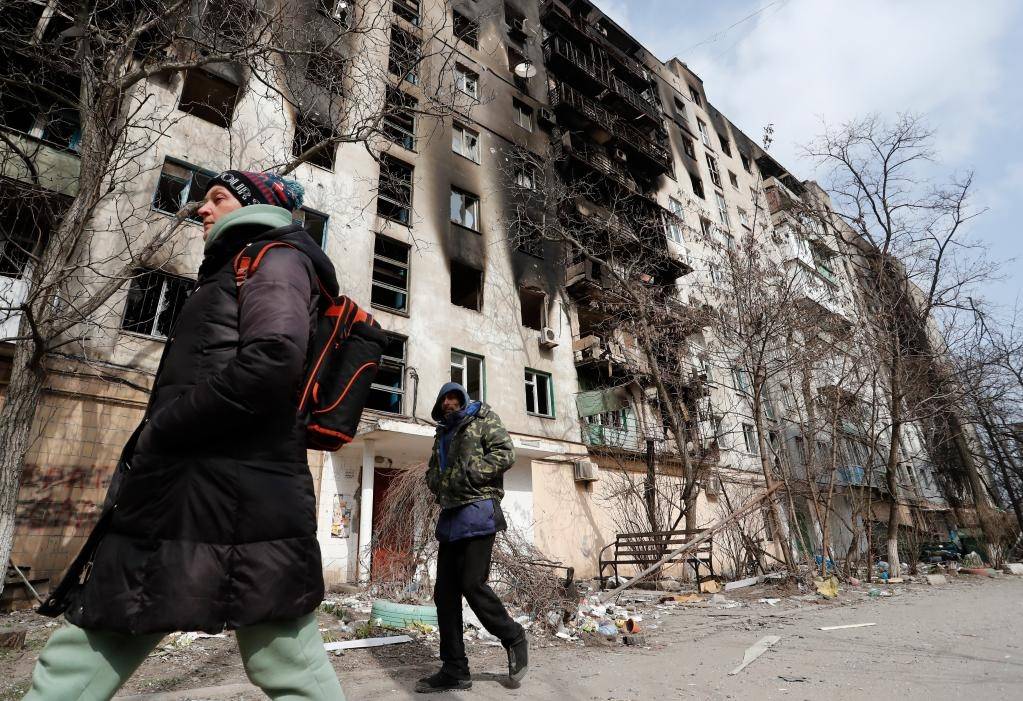
Before signing the bill, Biden said “Putin’s war” was “once more bringing wanton destruction of Europe,” drawing reference to the significance of the day.

Flanked by two Democratic lawmakers and one Republican, Biden signed the bill, which had widespread bipartisan support. It sailed through the Senate last month with unanimous agreement, without even the need for a formal roll call vote. It passed overwhelmingly in the House, drawing opposition from just 10 Republicans.

“It really matters,” Biden said of the bipartisan support for Ukraine. “It matters.”

One of the bill’s chief Republican sponsors, Sen. John Cornyn of Texas, said in a statement the measure will give Ukraine “the upper hand against Russia, and I’m glad America could act as the arsenal of democracy for this critical partner.”

Other measures, including efforts to cut off Russian oil imports to the U.S. and calls to investigate Putin for war crimes, have also gained widespread support, though some lawmakers have pushed Biden to do even more.

“While President Putin and the Russian people celebrated Victory Day today, we’re seeing Russian forces commit war crimes and atrocities in Ukraine, as they engage in a brutal war that is causing so much suffering and needless destruction,” said White House press secretary Jen Psaki. She said Putin was “perverting” history to attempt to “justify his unprovoked and unjustified war.”

ALSO READ: US First Lady Jill Biden meets Ukrainian counterpart

Previous Story

Colombo Stock Exchange shut amid unrest

Next Story

‘More than 8 million internally displaced in Ukraine’

Previous Story

Colombo Stock Exchange shut amid unrest

Next Story

‘More than 8 million internally displaced in Ukraine’

Latest from -Top News

Pakistan Risks Overstretching Itself in Yemen War

Pakistan’s expanding military role in Saudi Arabia amid the Yemen conflict could strain its defence resources and fragile finances…reports Asian Lite News Desk Pakistan’s military involvement in the war in Yemen may prove unsustainable because of mounting financial pressures and competing security demands, according to a new report. Islamabad’s growing military presence in Saudi Arabia risks stretching its defence resources while exposing the country to greater strategic and economic challenges. An article by Andrew Wilson in One World Outlook describes Pakistan’s involvement as a case of “fiscal and strategic overreach”, arguing that the country lacks the financial flexibility to sustain an expanded military commitment. Pakistan’s external finances depend heavily on an International Monetary Fund (IMF) programme, financial support from Gulf countries and remittances from Pakistani workers in the region. The report argues that deeper military involvement in the conflict could place additional pressure on these sources of financial stability. It also warns that deploying troops and military equipment abroad could weaken Pakistan’s capacity to address security challenges along its eastern border and deal with two domestic insurgencies. The move could also draw Islamabad into a conflict it has sought to approach cautiously. A Reuters report in May, citing Pakistani security and government sources, said Islamabad had deployed around 8,000 troops, a squadron of approximately 16 aircraft, mostly JF-17 fighter jets, two drone squadrons and a Chinese HQ-9 air-defence battery to Saudi Arabia. According to those sources, Riyadh was financing the deployment, with Pakistani personnel operating the equipment. The sources also said a confidential agreement contemplated the possibility of deploying up to 80,000 troops. Islamabad has not confirmed those figures, although it has acknowledged its military presence in Saudi Arabia, including the deployment of fighter jets at King Abdulaziz Air Base from April. The One World Outlook article argues that Saudi financial support can cover allowances and operating expenses but cannot easily replace military equipment needed elsewhere or resolve the political and strategic challenges of participating in the Yemen conflict. Pakistan’s defence budget is another concern. For the 2026-27 financial year, the federal government allocated PKR 3 trillion, or approximately $10.8 billion, to defence services. The allocation represents an 18 per cent increase from the original PKR 2.55 trillion provision and amounts to around 2.1 per cent of projected gross domestic product (GDP). Defence spending accounts for approximately 16 per cent of the federal government’s PKR 18.8 trillion expenditure. Military pensions are budgeted separately at PKR 822 billion, while debt servicing costs stand at approximately PKR 8 trillion, more than two-and-a-half times the defence allocation. The report argues that these competing financial obligations leave little room for additional military expenditure without placing further pressure on public finances. Pakistan’s reliance on IMF assistance also limits its fiscal flexibility. The country must meet the conditions attached to the programme, including a primary budget surplus target of 2 per cent of GDP and continued restraint on development spending. According to the article, these requirements make it difficult for Islamabad to finance an additional military commitment without compromising other budgetary priorities. Pakistan’s economic indicators offer limited reassurance. Economic growth for the 2025-26 financial year is estimated at between 3.6 and 3.7 per cent, while inflation reached approximately 10.3 per cent in September following an energy price shock. Foreign exchange reserves stood at around $21.5 billion at the end of September. Although this marks an improvement from the low levels recorded in 2023, the report notes that the reserves cover only a few months of imports. Financial assistance from Gulf partners remains central to Pakistan’s external stability. The article says Islamabad holds approximately $8 billion in Saudi deposits at its central bank. In July, the State Bank of Pakistan said Riyadh had extended the maturity of $5 billion in deposits to December 2028, easing the country’s immediate external financing requirements. A further $3 billion deposit was also extended in the spring. However, the article argues that these arrangements provide temporary relief rather than long-term financial independence, particularly as regional conflict threatens the stability of the Gulf economies on which Pakistan relies. The report concludes that Pakistan faces a difficult balance between supporting Saudi Arabia militarily and preserving the financial and military resources needed to address its domestic and regional challenges.

UK and Germany Ratify Kensington Treaty

Britain and Germany ratify the Kensington Treaty, agreeing new cooperation on AI, quantum research, defence and security while targeting investment, jobs and Russian hybrid threats…reports Asian Lite News Desk Britain and Germany

Economic tide is turning in Bangladesh

If there is one thing that can bring some comfort to the struggling Bangladeshi economy, it is good relations with India. Bangladesh should remember that Delhi’s backing, through easy supplies of essentials
Go toTop

Don't Miss

Jamal Khashoggi’s wife granted political asylum in US

His killing had brought international outrage and battered the reputation

Putin, Biden to talk Thursday

Putin and Biden met via video link on December 7