Chinese debt to Pakistan has been revised upwards by $4.6 billion to about $30 billion, the IMF report said, from $25.1 billion in February….reports Asian Lite News
The International Monetary Fund (IMF) has again raised a red flag in the context of China Pakistan Economic Corridor (CPEC) and stated that in early 2022, new investment could raise growth prospects but contingent liabilities also pose a risk to debt sustainability, the media reported.
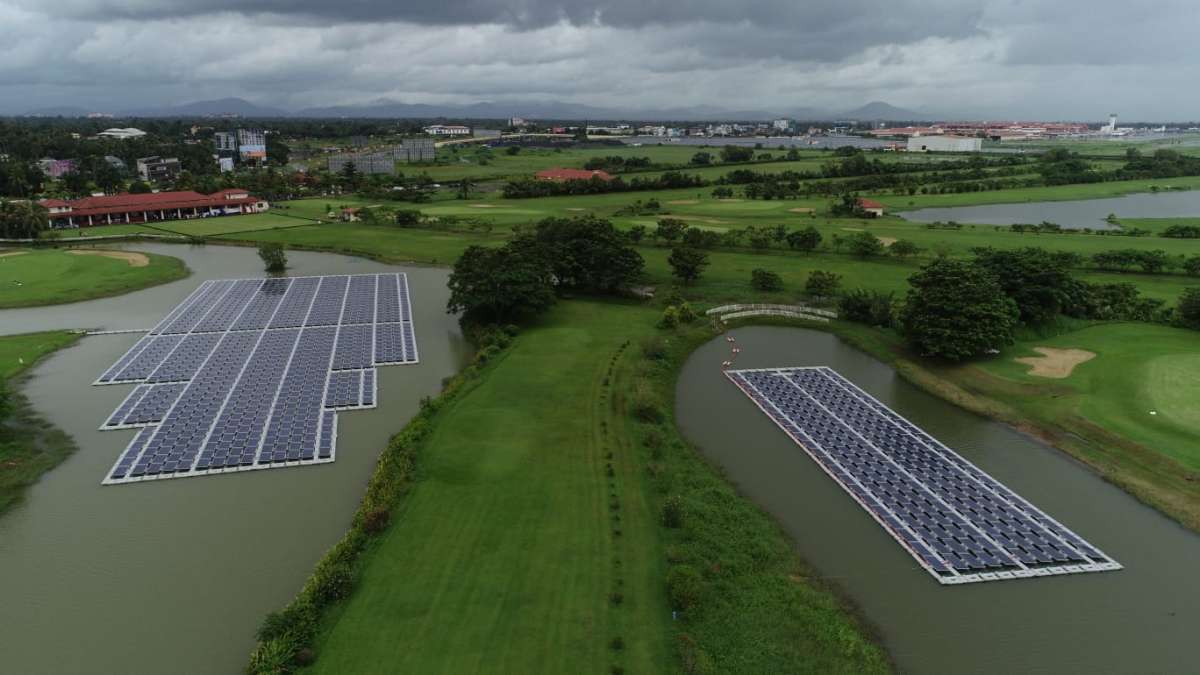
“In early 2022, new investments through the China-Pakistan Economic Corridor (CPEC), originally established in 2013, were announced. Although infrastructure in these second-phase investments could raise growth prospects, attendant contingent liabilities also pose a risk to debt sustainability,” the IMF stated in its Public and External Debt Sustainability Analysis done alone with the Fund staff report released after the approval of EFF program for Pakistan, The News reported.
The report states that Pakistan’s public debt continues to be judged as sustainable with strong policies and robust growth, but with greater uncertainty, in part because the fiscal relaxation in FY22H2 prevented the debt ratio reduction projected at the time of the sixth review.
The debt-to-GDP ratio is now projected to rise from 77.9 per cent at end-FY21 to 78.9 per cent at end-FY22 before falling to around 60 per cent by end-FY27, assuming the adjustment efforts in the context of the EFF program are fully carried out, The News reported.
About 30 per cent of Pakistan’s foreign debt is owed to China, including state-owned commercial banks, compared with 27 per cent in February, according to a report released by the International Monetary Fund, Bloomberg reported.
Chinese debt to Pakistan has been revised upwards by $4.6 billion to about $30 billion, the IMF report said, from $25.1 billion in February. Chinese support is triple the amount of IMF debt and more than the amount given by either the World Bank or the Asian Development Bank.
The debt shows that China is now playing a similar role to the IMF by providing financing during balance of payments crises, rather than World Bank-style concessionary-project financing. Debt for balance of payments support from China has continued with loans to Pakistan being rolled over on a regular basis.