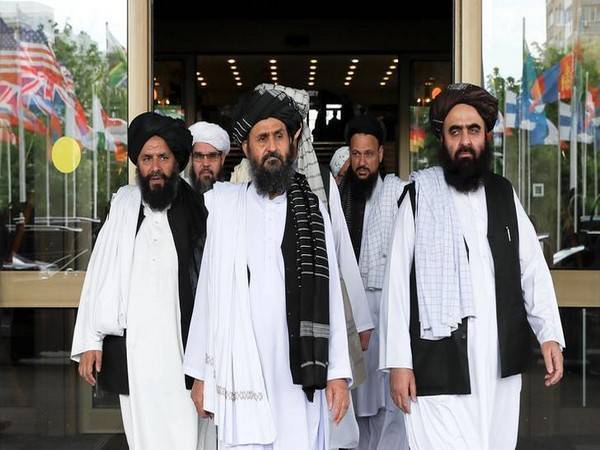
Speaking at the conference, the deputy communications minister in the interim government, Ahmad Masoud Latif Rai, also criticized Facebook for its reluctance to cooperate with the Taliban authorities…reports Asian Lite News
The interim government of Afghanistan led by Taliban has blocked more than 23 million websites for displaying what it considers immoral content over the year since the Taliban took power in the country, Najibullah Haqqani, the minister of communications in the Taliban administration, said on Thursday.
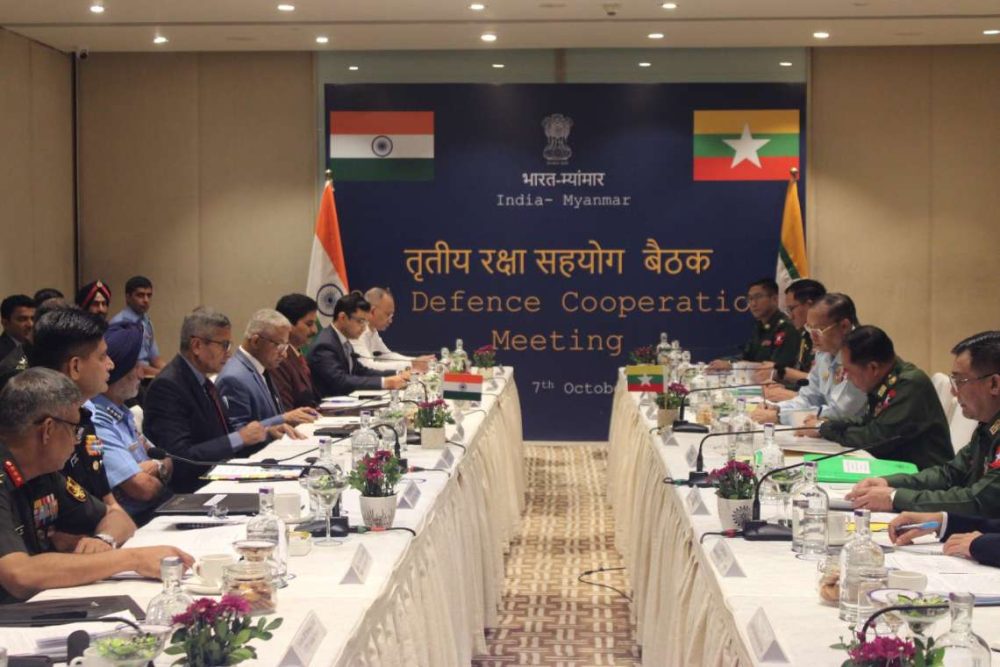
“We have blocked 23.4 million websites. They are changing their pages every time. So, when you block one website another one will be active,” TOLOnews quoted acting Minister Najibullah Haqqani as saying at a conference.
Speaking at the same conference, the deputy communications minister in the interim government, Ahmad Masoud Latif Rai, also criticized Facebook for its reluctance to cooperate with the Taliban authorities on content moderation.
After the collapse of the US-backed government and the withdrawal of US troops from the country, an interim Afghan government led by the Taliban came to power on August 15 last year.
The Taliban takeover triggered an economic crisis and food shortages that have pushed the country to the brink of a humanitarian crisis. Thousands of Afghans have fled the country fearful of the Taliban, widespread violation of human rights, and the deprivation of women and girls of their freedoms.

Since the Taliban took over Afghanistan in mid-August last year, it rolled back the rights of Afghan media outlets and their functioning.
According to UNAMA, there have been significant changes in the country’s media landscape, including the closure of more than half of the free media, a ban on several channels and websites and rising work restrictions, violence, and threats against journalists.
Earlier in May, while reporting a women’s demonstration, journalist Roman Karimi and his driver were detained and tortured by the Taliban.
Over 45 per cent of journalists have quit since the Taliban assumed power. The ever-increasing restrictions against media in Afghanistan have also drawn widespread criticism globally with the United Nations (UN) and the Committee to Protect Journalists (CPJ) decrying the arrests, demanding the terror outfit stop harassing local journalists and stifling freedom of speech through continued detentions and threats.
The Taliban had promised women’s rights, media freedom, and amnesty for government officials in the group’s first news conference after the takeover in August. However, activists, former government employees, and journalists among others continue to face retribution. (ANI)