Alvi said that the country must come up with long-term strategic planning to boost the tourism industry on a sustainable basis and set new boundaries for securing its future…reports Asian Lite News
Pakistani President Arif Alvi has said that the tourism sector played a vital role in the country’s economic development and is an integral source of income for the people as well as relevant to the improvement of civic facilities in the far-flung areas of Pakistan.
“Tourism is a source of earning foreign exchange, a tool for job creation and poverty alleviation. It also creates harmony among people from different parts of the country,” the President added in his message on World Tourism Day on Tuesday.
Pakistan is a country that has attractive and wonderful tourist sites with its remarkable landscape, diversity and rich history of ancient civilisations, he said, adding that there is a need to set priorities in considering the potential of the tourism sector in order to advance economic prosperity and progress, Xinhua news agency reported.
Noting that the sector has been hit hard by the Covid-19 pandemic first and now by the super floods, Alvi said that the country must come up with long-term strategic planning to boost the tourism industry on a sustainable basis and set new boundaries for securing its future.
“The government will utilise all its resources to turn the challenges into opportunities by restarting the industry from grassroot level and ensuring the cooperation and collaboration of allied government agencies to come out of the crisis and rebuild better,” the President added.
Flood rehabilitation plan
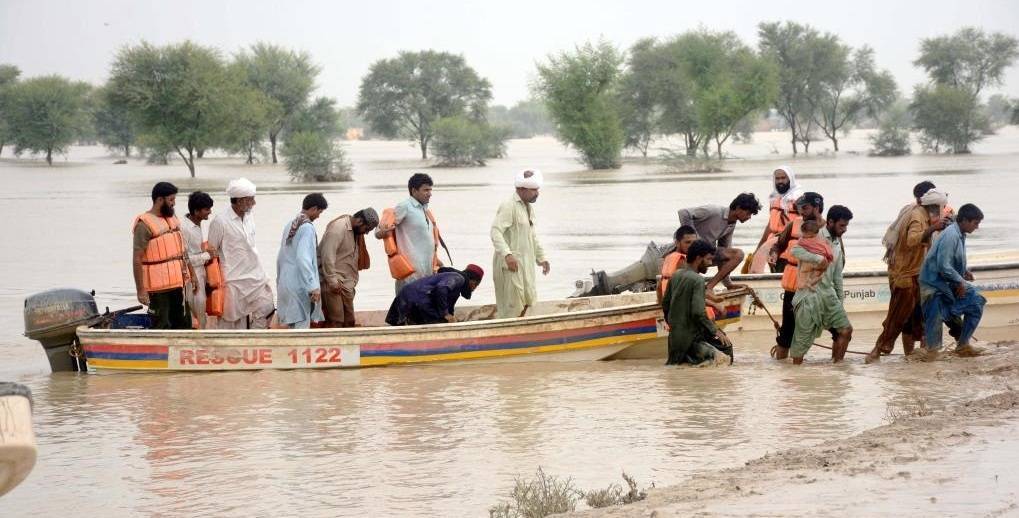
Pakistan has devised a plan to rebuild and restructure flood-hit areas of the country, which will be implemented during a period of six months to 10 years, an official statement said.
Minister for Planning Development and Special Initiatives Ahsan Iqbal held a meeting with economists and development stakeholders on Monday to devise the rehabilitation plan, the statement from his office said.
Iqbal said that the country has suffered losses of $30 billion in the devastating floods which badly damaged agriculture and infrastructure besides resulting in heavy casualties across the country, reports Xinhua news agency.
The participants of the meeting proposed the government to adopt the owner-driven reconstruction approach to rebuild the damaged houses of the flood-affected people who should be provided assistance and subsidy to rebuild houses on their own.
The participants also suggested focusing on agricultural land of the Sindh province which was badly affected by the flood.
According to the latest report from the country’s National Disaster Management Authority, the death toll in Pakistan from this season’s monsoon rains and floods since mid-June has risen to around 1,638, along with 12,865 injured.