February 11, 2022
2 mins read

Russia, UK, trade barbs during Moscow talks about Ukraine crisis

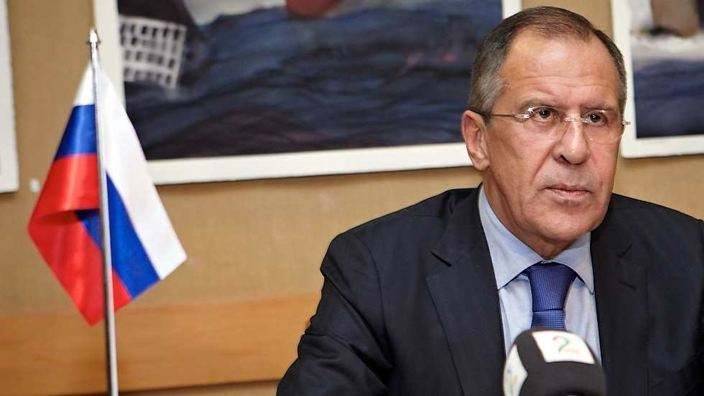
Al Jazeera’s Dorsa Jabbari, reporting from Moscow, says it was quickly clear how “icy” the exchange between Truss and Lavrov was when the pair emerged from their talks to address a news conference…reports Asian Lite News

Russia’s Foreign Minister Sergey Lavrov has accused his British counterpart of grandstanding after the pair held talks in Moscow about the Ukraine crisis.

“I’m honestly disappointed that what we have is a conversation between a mute and a deaf person … Our most detailed explanations fell on unprepared soil,” Lavrov told reporters on Thursday, standing alongside Britain’s Liz Truss.
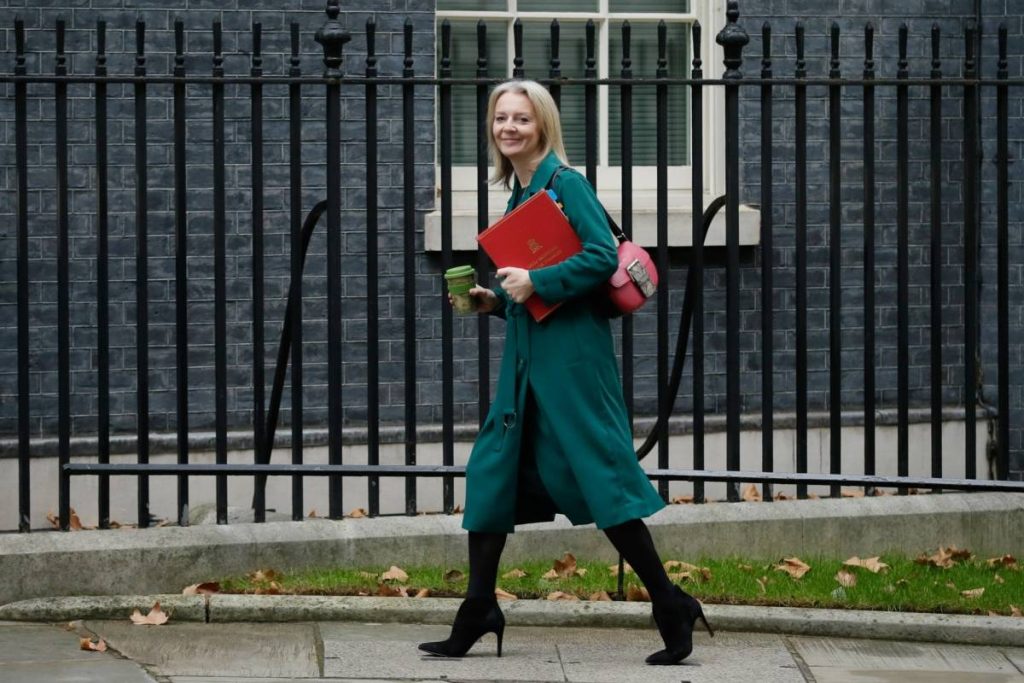
He added that the “facts” presented by his team on the crisis “bounced off” their British counterparts.

Truss, who warned of tough Western sanctions if Ukraine was attacked, challenged Lavrov about his assertion that Russia’s buildup of troops and weaponry was not threatening anyone.

“I can’t see any other reason for having 100,000 troops stationed on the border, apart from to threaten Ukraine. And if Russia is serious about diplomacy, they need to remove those troops and desist from the threats,” she said, as she dismissed Moscow’s claim that NATO is undermining the region’s security.

Al Jazeera’s Dorsa Jabbari, reporting from Moscow, says it was quickly clear how “icy” the exchange between Truss and Lavrov was when the pair emerged from their talks to address a news conference.

“The Russian foreign minister says that London is not hearing Moscow,” she said. “Clearly, the two ministers did not see eye-to-eye … there is a huge gap between the two sides, which has only been highlighted by this meeting today.”

The new round of talks came as British Prime Minister Boris Johnson visited NATO headquarters in Brussels and Germany’s leader met his Baltic states counterparts in Berlin, where officials from Russia, Ukraine, Germany and France were also holding discussions.

Russia, which has more than 100,000 troops near Ukraine’s borders, has denied Western accusations that it may be planning to invade its former Soviet neighbour, though it says it could take unspecified “military-technical” action unless a series of demands are met.
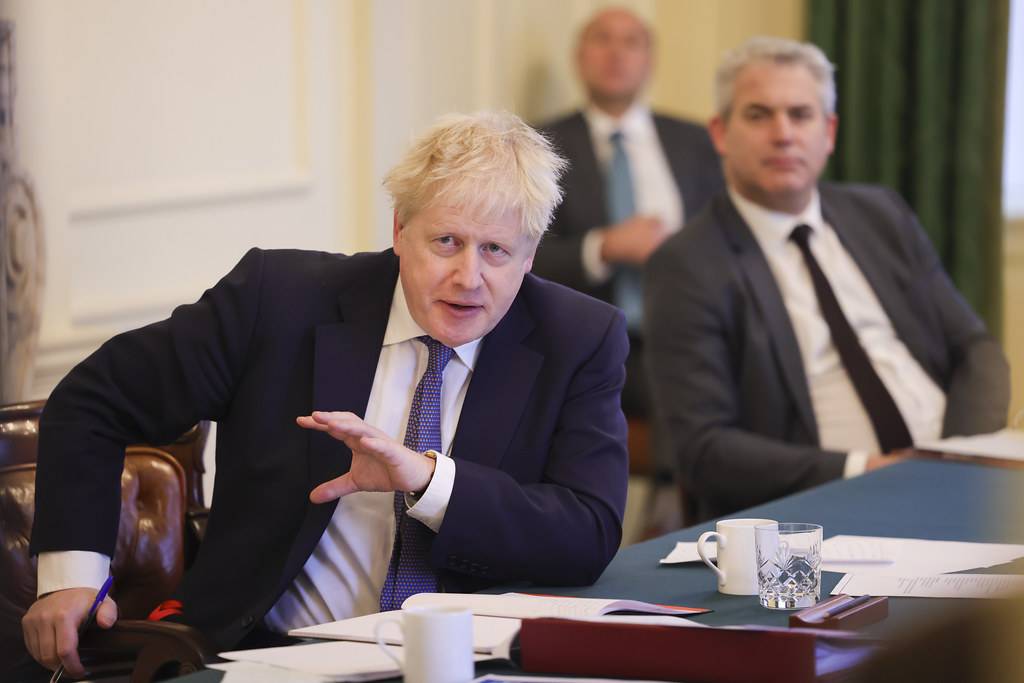
Prime Minister Boris Johnson holds a virtual Cabinet meeting in 10 Downing Street. Picture by Simon Dawson / No 10 Downing Street

“I honestly don’t think a decision has yet been taken” by Moscow on whether to attack, Johnson told a news conference with NATO Secretary-General Jens Stoltenberg. “But that doesn’t mean that it is impossible that something absolutely disastrous could happen very soon indeed.”

“This is probably the most dangerous moment, I would say, in the course of the next few days, in what is the biggest security crisis that Europe has faced for decades,” he said. The way forward was diplomacy, Johnson later told reporters in Poland.

The United Kingdom also published legislation broadening the scope of those linked to Russia who could be sanctioned if Moscow invades.

ALSO READ-UK, Ireland and Scotland to host Euro 2028

Previous Story

Prince Charles isolates after positive Covid-19 test

Next Story

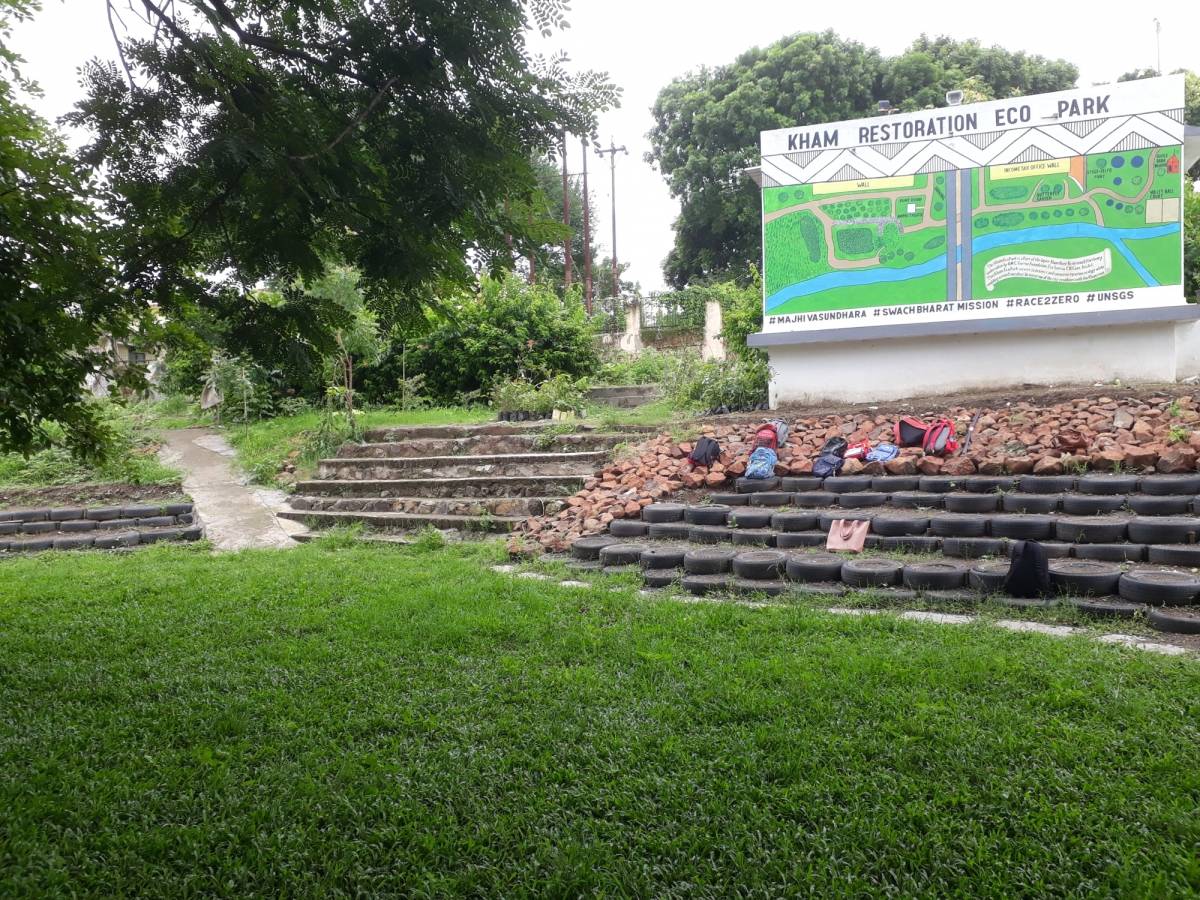
Clean-up drive brings Kham river back to life

Previous Story

Prince Charles isolates after positive Covid-19 test

Next Story

Clean-up drive brings Kham river back to life

Latest from -Top News

Pakistan Risks Overstretching Itself in Yemen War

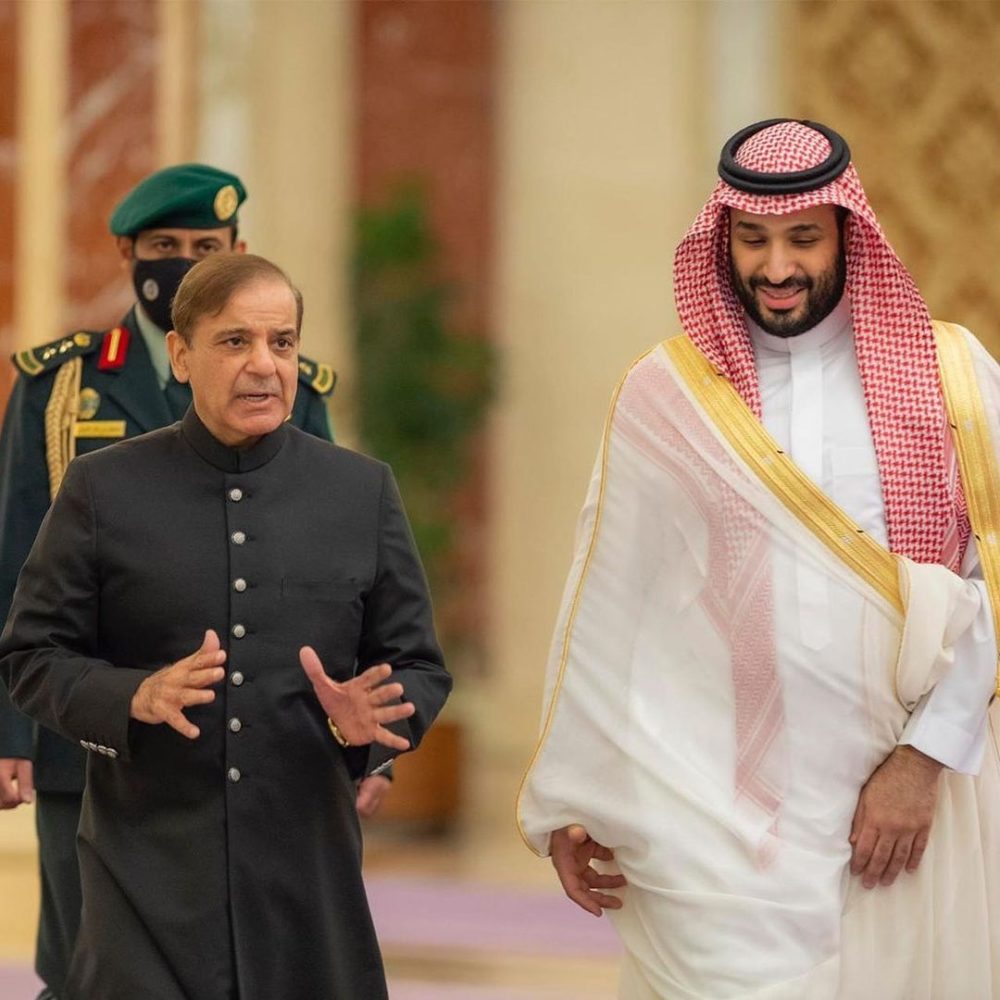
Pakistan’s expanding military role in Saudi Arabia amid the Yemen conflict could strain its defence resources and fragile finances…reports Asian Lite News Desk Pakistan’s military involvement in the war in Yemen may prove unsustainable because of mounting financial pressures and competing security demands, according to a new report. Islamabad’s growing military presence in Saudi Arabia risks stretching its defence resources while exposing the country to greater strategic and economic challenges. An article by Andrew Wilson in One World Outlook describes Pakistan’s involvement as a case of “fiscal and strategic overreach”, arguing that the country lacks the financial flexibility to sustain an expanded military commitment. Pakistan’s external finances depend heavily on an International Monetary Fund (IMF) programme, financial support from Gulf countries and remittances from Pakistani workers in the region. The report argues that deeper military involvement in the conflict could place additional pressure on these sources of financial stability. It also warns that deploying troops and military equipment abroad could weaken Pakistan’s capacity to address security challenges along its eastern border and deal with two domestic insurgencies. The move could also draw Islamabad into a conflict it has sought to approach cautiously. A Reuters report in May, citing Pakistani security and government sources, said Islamabad had deployed around 8,000 troops, a squadron of approximately 16 aircraft, mostly JF-17 fighter jets, two drone squadrons and a Chinese HQ-9 air-defence battery to Saudi Arabia. According to those sources, Riyadh was financing the deployment, with Pakistani personnel operating the equipment. The sources also said a confidential agreement contemplated the possibility of deploying up to 80,000 troops. Islamabad has not confirmed those figures, although it has acknowledged its military presence in Saudi Arabia, including the deployment of fighter jets at King Abdulaziz Air Base from April. The One World Outlook article argues that Saudi financial support can cover allowances and operating expenses but cannot easily replace military equipment needed elsewhere or resolve the political and strategic challenges of participating in the Yemen conflict. Pakistan’s defence budget is another concern. For the 2026-27 financial year, the federal government allocated PKR 3 trillion, or approximately $10.8 billion, to defence services. The allocation represents an 18 per cent increase from the original PKR 2.55 trillion provision and amounts to around 2.1 per cent of projected gross domestic product (GDP). Defence spending accounts for approximately 16 per cent of the federal government’s PKR 18.8 trillion expenditure. Military pensions are budgeted separately at PKR 822 billion, while debt servicing costs stand at approximately PKR 8 trillion, more than two-and-a-half times the defence allocation. The report argues that these competing financial obligations leave little room for additional military expenditure without placing further pressure on public finances. Pakistan’s reliance on IMF assistance also limits its fiscal flexibility. The country must meet the conditions attached to the programme, including a primary budget surplus target of 2 per cent of GDP and continued restraint on development spending. According to the article, these requirements make it difficult for Islamabad to finance an additional military commitment without compromising other budgetary priorities. Pakistan’s economic indicators offer limited reassurance. Economic growth for the 2025-26 financial year is estimated at between 3.6 and 3.7 per cent, while inflation reached approximately 10.3 per cent in September following an energy price shock. Foreign exchange reserves stood at around $21.5 billion at the end of September. Although this marks an improvement from the low levels recorded in 2023, the report notes that the reserves cover only a few months of imports. Financial assistance from Gulf partners remains central to Pakistan’s external stability. The article says Islamabad holds approximately $8 billion in Saudi deposits at its central bank. In July, the State Bank of Pakistan said Riyadh had extended the maturity of $5 billion in deposits to December 2028, easing the country’s immediate external financing requirements. A further $3 billion deposit was also extended in the spring. However, the article argues that these arrangements provide temporary relief rather than long-term financial independence, particularly as regional conflict threatens the stability of the Gulf economies on which Pakistan relies. The report concludes that Pakistan faces a difficult balance between supporting Saudi Arabia militarily and preserving the financial and military resources needed to address its domestic and regional challenges.

UK and Germany Ratify Kensington Treaty

Britain and Germany ratify the Kensington Treaty, agreeing new cooperation on AI, quantum research, defence and security while targeting investment, jobs and Russian hybrid threats…reports Asian Lite News Desk Britain and Germany

Economic tide is turning in Bangladesh

If there is one thing that can bring some comfort to the struggling Bangladeshi economy, it is good relations with India. Bangladesh should remember that Delhi’s backing, through easy supplies of essentials
Go toTop

Don't Miss

UK Partnership Advances Islamabad Hospital

 Once operational, the hospital will provide comprehensive medical care across

Russia promises early discharge of all Indians from army service

The Foreign Secretary also spoke about the highest national honour