Economists are worried as the core inflation remains on the higher side…reports Asian Lite News
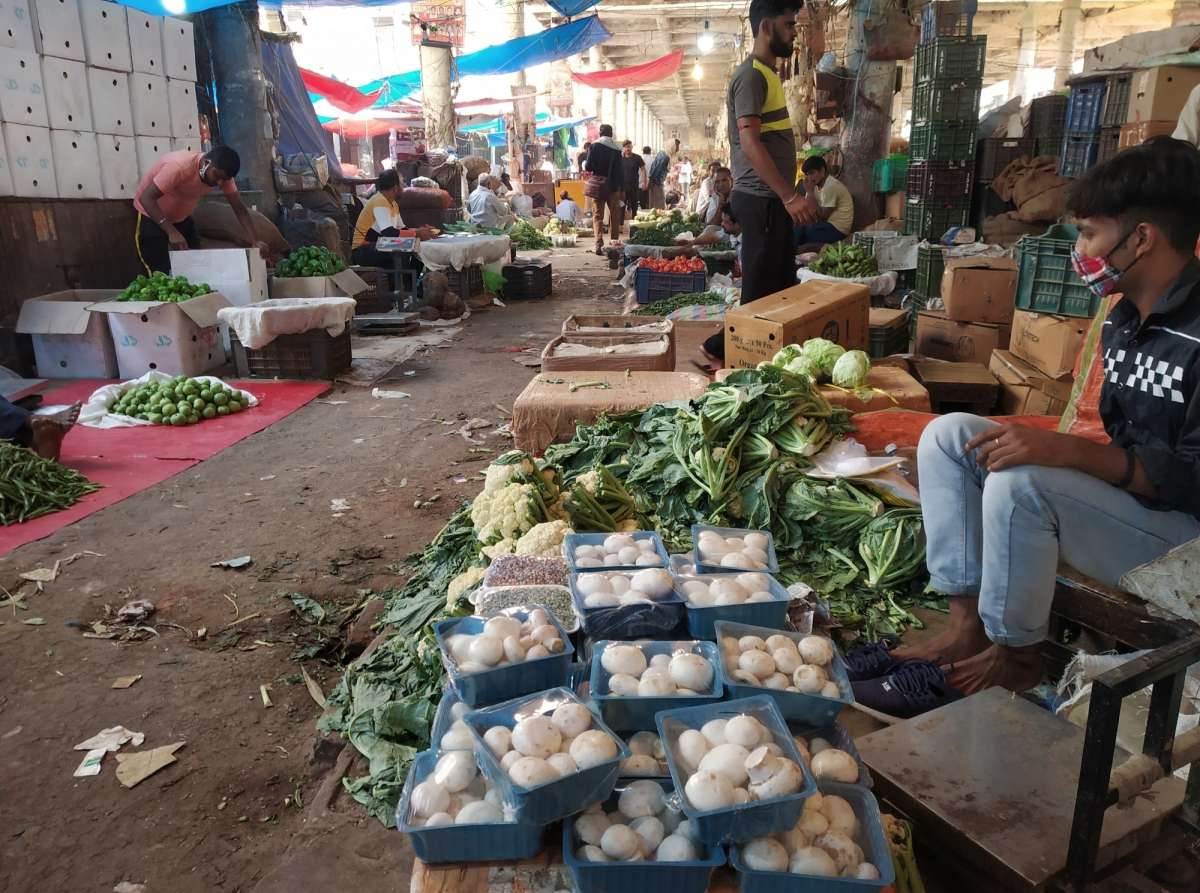
Retail inflation for December 2022 fell to a year’s low of 5.72 per cent, mainly due to low food prices, especially those of fruits and vegetables.
This is the second consecutive month when it has remained within the RBI’s tolerance band of 2 per cent to 6 per cent.
However, economists are worried as the core inflation remains on the higher side.
The consumer price index (CPI) based inflation was at 5.88 per cent in November 2022, according to data released by the Ministry of Statistics and Programme Implementation on Thursday. In October 2022, it was at a higher band of 6.77 per cent.
Food inflation stood at 4.19 per cent in December 2022, lesser than 4.67 per cent level of November 2022, as per the official data.
Apart from fruits and vegetables, prices of oils and fats as well as meat and fish also fell in December 2022 compared to November 2022.
Reacting to the inflation numbers, CARE Ratings Chief Economist Rajani Sinha, told IANS: “Retail inflation has eased more than expected in December, bringing the headline print below the RBI’s upper tolerance for the second straight month.”
“The softening is largely attributed to the decline in prices of vegetables, which helped offset the rise in costs of other products of the food basket such as cereals, milk and meat. However, the concern is that core CPI inflation remains sticky above 6 per cent, with evidence of high inflation in the services sector. From the policy perspective, we believe that the RBI’s move at the February MPC meeting will be a close call with core CPI inflation remaining sticky,” she added.
CRISIL Ltd Chief Economist Dharmakirti Joshi said: “Vegetables, the most volatile component of CPI, proved to be the joker in the pack again: ‘deflation’ in vegetables (prices have declined more than 15 per cent on-year) contributed the most in pulling down headline inflation.”
According to him, the slowdown in inflation doesn’t provide much comfort: excluding vegetables, CPI inflation actually rose to 7.2 per cent in December (from 7 per cent in November)- led by rising on-year prices of cereals, pulses, milk, meat and fish, and fuel.
Stickiness in core inflation (at 6.1 per cent in December vs 6 per cent previous month) remains the biggest worry, Joshi remarked.
Meanwhile, factory output, which is measured in terms of index of industrial production (IIP), rose 7.1 per cent in November 2022 as against 4 per cent in October 2022, government data showed.
According to Sinha, the IIP growth has surprised on the upside accelerating to a 5-months high of 7.1 per cent in November.
“Largest 4.7 percentage points contribution to growth came from manufacturing sector, while mining and electricity made a contribution of 1.4 and 1 percentage points respectively,” she said.
While the base effect supported the jump in IIP, there has also been a favourable momentum effect. The recovery is broad-based with good performance by capital goods, infrastructure and consumer goods, she said.
“However, the contraction in export dependent sector like textiles, apparel and leather products remains a worry. Going ahead, in the environment of global slowdown, maintaining growth in industrial output will depend on the resilience and momentum of domestic demand recovery,” Sinha added.
According to Joshi, the IIP has been quite volatile, see-sawing between gains and declines since July 2022.
He said infrastructure and investment-related goods have consistently been among the top drivers of IIP growth this fiscal.
“In November, capital goods saw the highest IIP growth (20.7 per cent on-year), followed by infrastructure and construction goods (12.8 per cent). This is being driven by central government’s capital expenditure, while also indicating some revival in private capital expenditure. It was the export and consumer-oriented sectors that turned supportive, after weakening in the past few months,” Joshi added.
After falling between July and October, consumer durables rose to 5.1 per cent (versus -17.8 per cent previous month) and non-durables 8.9 per cent (-13.4 per cent) – driven by robust demand during festive season on top of a favourable base effect. With export growth turning positive in November, major export sectors such as machinery and equipment, pharmaceuticals and chemicals saw a revival in IIP growth, Joshi said.