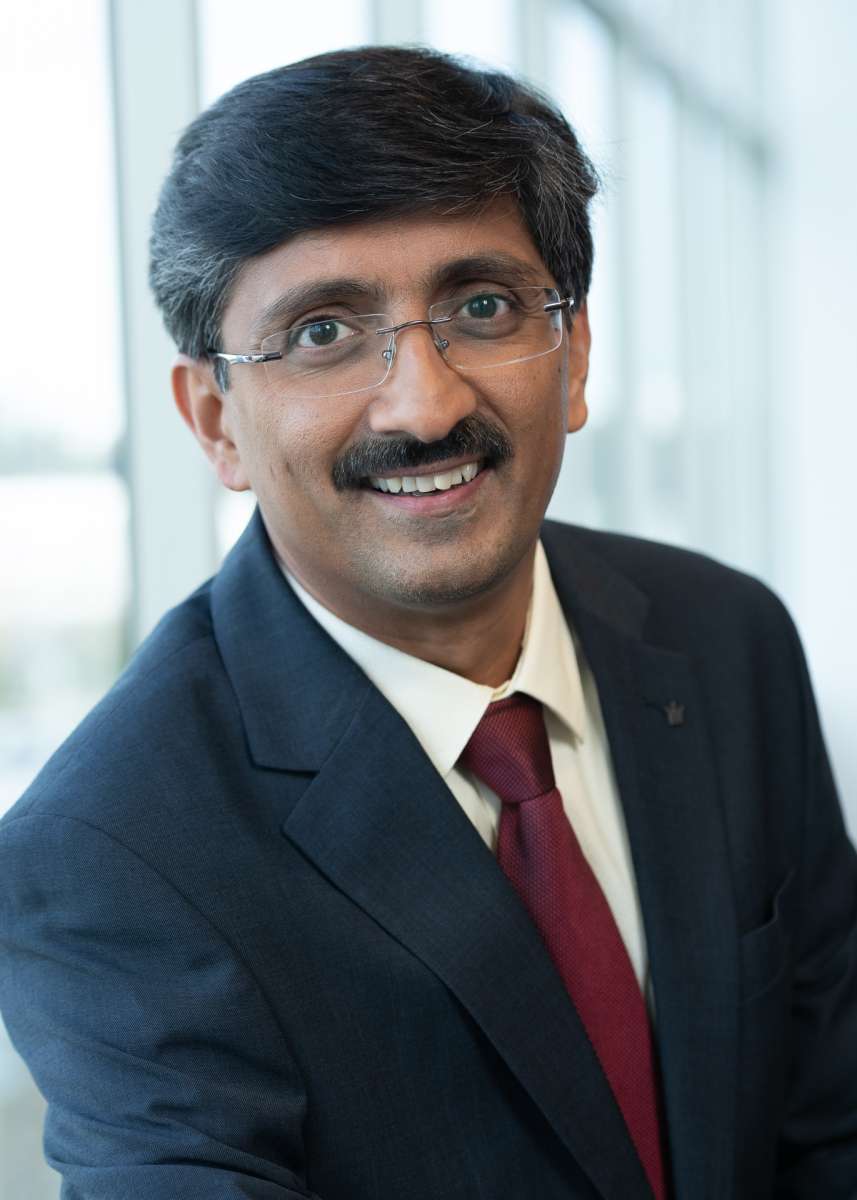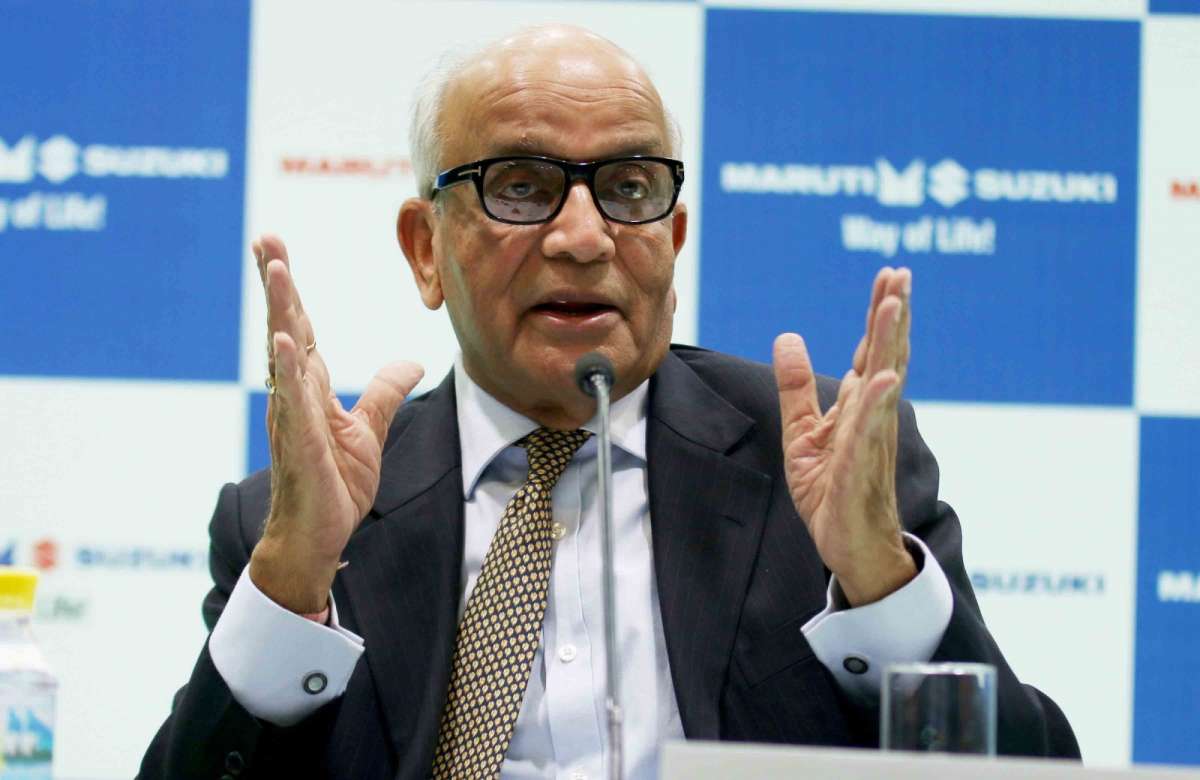
R.C. Bhargava, the Chairman of Maruti Suzuki Ltd. said that the electric cars will not be clean until India gets at least 50 per cent of its electricity from renewable sources…reports Asian Lite News
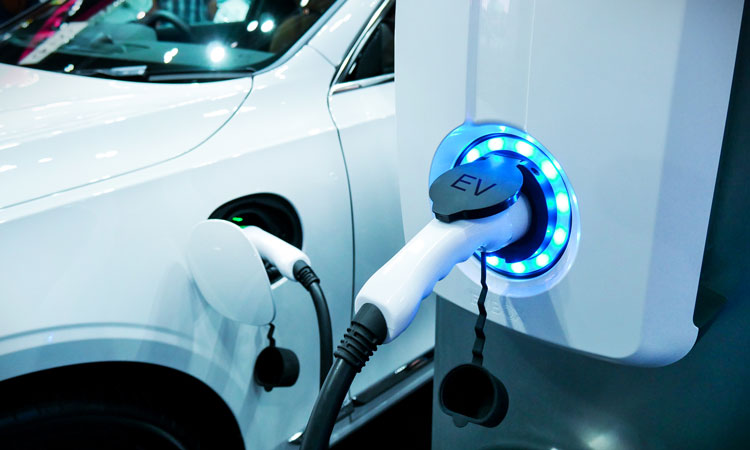
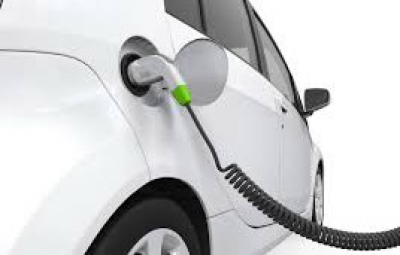
The carbon footprint of electric cars in India would be much bigger than that of hybrid cars because in the country, 75 per cent of the electricity is made from coal, according to R.C. Bhargava, the Chairman of Maruti Suzuki Ltd.
He made the remarks while addressing the 50th National Management Convention organised by All India Management Association (AIMA).
Bhargava said that the electric cars will not be clean until India gets at least 50 per cent of its electricity from renewable sources.
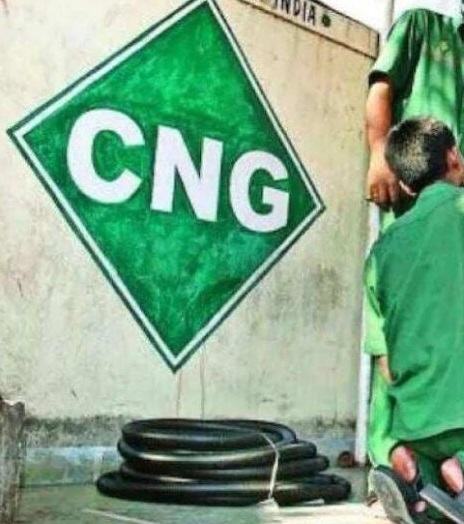
Until then, the hybrid cars will be cleaner, he said, adding that even shifting to CNG cars is a better option, as CNG is a cleaner fuel than petrol.
“May be India should move to ethanol, hydrogen and fuel cell options instead of going for electric cars,” he said.
Talking about coming slightly late to the electric car market, Bhargava said that Maruti had built an electric version of the Wagon R but its cost was too high, and now Maruti would come to the market with larger electric models which could be more viable.
However, he said that even with six electric models, the share of electric cars in Maruti’s sales would be only 15 per cent to 20 per cent.
He pointed out that today, the share of electric cars in Indian car market is only 2 per cent.
On Maruti’s decision to stop diesel car production, Bhargava said that while the government is not preventing anyone from making diesel cars, the compliance with CAFE standards will make their costs exorbitant.
On the subject of the shift of the mass market from small hatchbacks to SUVs, Bhargava said that though the whole market is not shifting, the small car market is not growing anymore. He said that it is because of that the growth of Indian car market is only about 5 per cent a year instead of 8 per cent.
Talking about automotive supply chain issues, Mr Bhargava said that currently there are no production constraints because of semiconductor shortage. However, he regretted that all electronics for Indian cars have to be imported.
“India needs to get more component makers to make in India for India and for global supply chains,” he said while also highlighting the lack of local electronics suppliers as the only weakness in India’s auto components supply chain.
Bhargava expressed confidence about the growth of India’s car market. H
e said that there is no other market in the world with the same growth potential, as other major markets such as the US, Japan and China have become saturated and rely on replacement sales.
Talking about competition in Indian car market, Mr Bhargava said that Indian market has been very competitive for the past 15-20 years and now it is set to get even more competitive as global car makers can see an opportunity in the changing car technology and regulations.
He said that Maruti will try to keep a large part of the Indian car market under its control by offering the best of technology, reliability, and after-sale service.
On the issue of stagnant growth of Indian manufacturing sector despite the increased ease of business and production-linked investment scheme, Bhargava said that the state government bureaucracies are still stuck in the licence and control mindset and even the entrepreneurs are more focused on accumulating personal wealth instead of growing their companies.
“Time is not valued by state bureaucracies… and entrepreneurs cannot lay the blame only on labour laws,” he said. Manufacturing sector growth is only 5 per cent while India needs a 12 per cent annual growth, he said.
Talking about India’s limited success in benefiting from the China plus one strategy of global companies, Bhargava said that India is not the only option for them, and many of them are moving to Vietnam.
Regarding the new safety regulations such as Bharat NCAP, Bhargava said that so long as it is easy to get driving licence without tests, it will be difficult to bring down the accidents and deaths on Indian roads.
He said that India has no system of mandatory vehicle fitness certification for cars and scooters. He pointed out that most of the road deaths involve two-wheeler riders and pedestrians.
Bhargava is confident about the future of Indian car industry though the expensive transition to new technology and regulations are likely to keep its growth at about 5 per cent for the next decade, provided there are no unexpected shocks to the economy.
The session was also livestreamed on AIMA’s social media channels.