February 20, 2023
4 mins read

Abu Dhabi delegation explores biz opportunities in Israel

During the visit, the delegation participated in the 2023 OurCrowd Global Investor Summit, where they hosted the Abu Dhabi Pavilion showcasing business and investment opportunities in the emirate…reports Asian Lite News

A delegation of ten Abu Dhabi entities visited Israel from last week, to discuss business cooperation and innovation opportunities.

Led by the Abu Dhabi Investment Office (ADIO), the delegation included Abu Dhabi Global Market (ADGM), Abu Dhabi Residents Office (ADRO), Hub71, Abu Dhabi IPO Fund (ADIPOF), Masdar City, KEZAD Group and the Department of Health – Abu Dhabi (DoH).

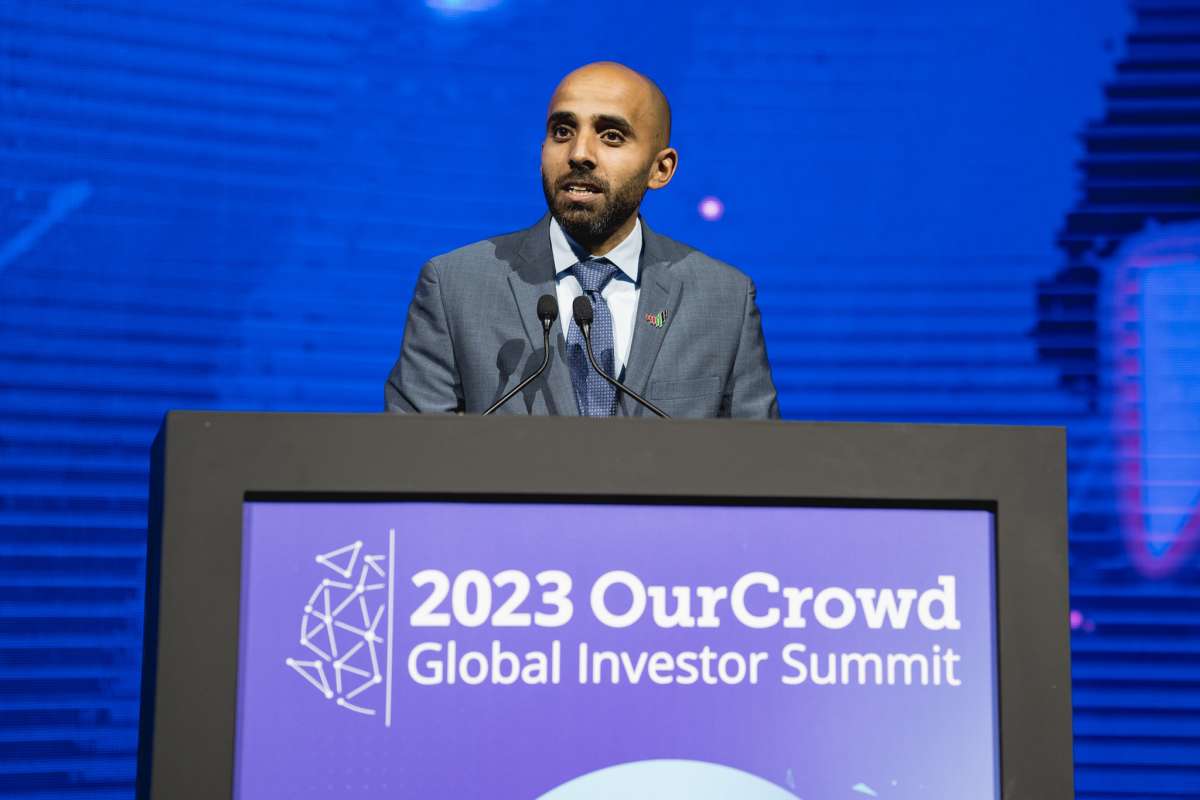
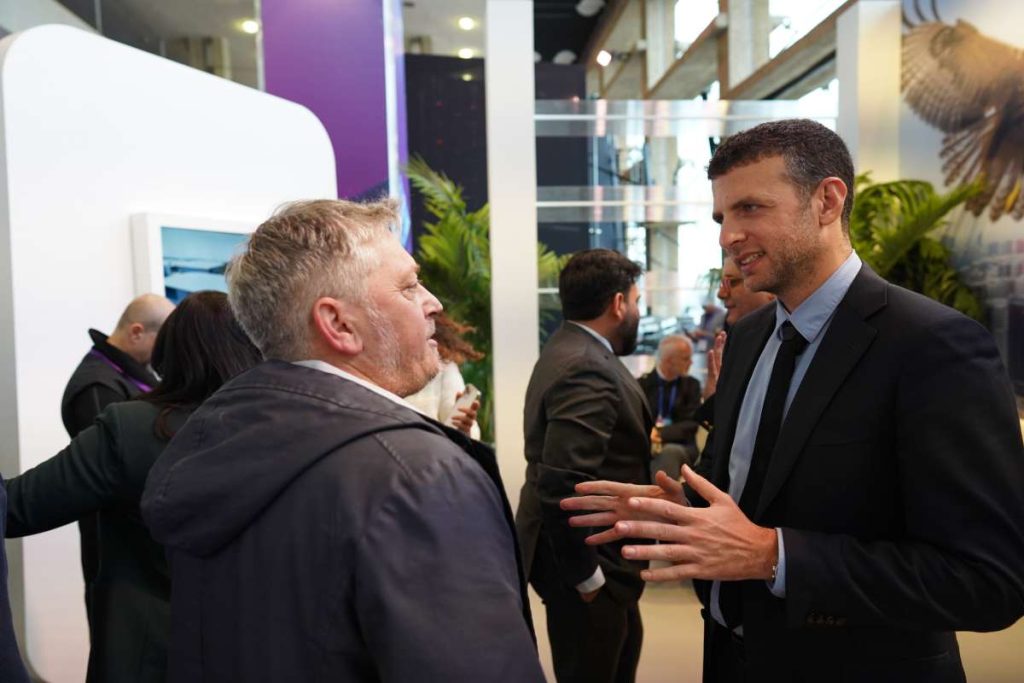
The visit began with a welcome reception at the ADIO Israel office, and was attended by CEOs and senior management from more than 50 leading Israeli companies and ecosystem partners. During the visit, the delegation participated in the 2023 OurCrowd Global Investor Summit, where they hosted the Abu Dhabi Pavilion showcasing business and investment opportunities in the emirate.

Abdulla Abdul Aziz Al Shamsi, Acting Director-General of ADIO, said, “This visit builds on the collective progress made since the signing of the Abraham Accords, as Abu Dhabi believes in the power of partnership to drive innovation and support sustainable investment opportunities. ADIO looks forward to continuing the conversations started during this visit and working with innovative Israeli companies to explore Abu Dhabi’s limitless growth opportunities.”

During the visit, a strategic partnership between Integrated Data Intelligence (IDI), a subsidiary of OurCrowd and Hub71, Abu Dhabi’s global tech ecosystem, was signed to launch an AI-powered digital platform for Hub71’s Tech Barza initiative. It will provide a customised white label digital fintech platform and operational expertise to Tech Barza’s investor marketplace.
The agreement follows IDI’s Abu Dhabi expansion in November 2022, as part of a US$ 60 million investment by OurCrowd in the emirate in partnership with ADIO.

Commenting on the agreement, OurCrowd CEO Jon Medved said, “We believe this agreement with Hub71 is yet another significant milestone realised from OurCrowd’s long-term commitment and strategy to build out our business in the UAE and across the Middle East. We are very proud to have secured this agreement in such a short time after IDI’s launch. We believe this is strong validation of the decision we have made to build our home in Abu Dhabi. We were particularly excited to have made this joint announcement during OurCrowd’s 10th anniversary Global Investor Summit in Jerusalem together with Hub71.”

Ahmad Alwan, Deputy CEO of Hub71, commented, “As a leading tech startup destination in the Middle East, we have been marshalling multiple investment sources to support the fundraising journeys of founders. By partnering with OurCrowd’s IDI, we are employing a sophisticated digital investment platform that will further enable family offices and angel investors to identify game changing businesses from our community of 200 startups to capture value through our Tech Barza platform.”

Dr. Hasanat Dewan, CEO of IDI, stated, “We are very excited and honoured to have been selected by Hub71 to deliver this highly strategic platform. Building on the significant technology capabilities that have already been developed for the OurCrowd fintech platform, we intend to provide Hub71 with a next-generation, AI-powered digital platform that will materially advance the startup investment ecosystem in Abu Dhabi and provide seamless access to startups for investors that are part of the Tech Barza community.”

For his part, Dhaher bin Dhaher Al Mheiri, CEO of ADGM Authority, said, “The delegation to Israel further harnesses the underlying bi-lateral relations and economic ties between the two nations following the historic UAE-Israel Abraham Accord. In recent years, ADGM has doubled down on its efforts to leverage the competitive advantages of the UAE and Abu Dhabi and has established a flourishing and dynamic business environment for entrepreneurs and innovators through a robust regulatory framework and by creating vibrant business ecosystems. As an international financial Centre, ADGM encourages aspiring corporates and start-ups to establish their presence in Abu Dhabi, enjoy full ownership of their businesses in a zero-tax environment, secure the vital regulatory recognition, and gain the appropriate capital support and access to top-notch talent for their ambitions to thrive and grow.”

Over the course of the visit, the Abu Dhabi delegation held a series of meetings with Israeli entrepreneurs and investors to explore opportunities for potential collaboration and investment. The delegation also shared insights on the emirate’s thriving startup ecosystem and work to support the growth and development of innovative companies.

Following the Abraham Accords in September 2020, ADIO established an office in Tel Aviv in 2021 to support innovative Israeli companies looking to establish and expand their operations in the UAE capital.

In addition to its partnership with OurCrowd, ADIO recently announced that Israel’s Liquidity Group has joined its Innovation Programme to establish a FinTech R&D centre in Abu Dhabi. Liquidity Group is a pioneering technology firm that has become the industry’s fastest growing lender to mid-market, late-stage companies by automating the entire debt lending cycle.

ALSO READ: UAE sets up huge field hospital in Turkey

Previous Story

Brexit deal is Sunak’s biggest political test  

Next Story

Geopolitical power shifts divide world into 3 groups

Previous Story

Brexit deal is Sunak’s biggest political test  

Next Story

Geopolitical power shifts divide world into 3 groups

Latest from -Top News

Pakistan Risks Overstretching Itself in Yemen War

Pakistan’s expanding military role in Saudi Arabia amid the Yemen conflict could strain its defence resources and fragile finances…reports Asian Lite News Desk Pakistan’s military involvement in the war in Yemen may prove unsustainable because of mounting financial pressures and competing security demands, according to a new report. Islamabad’s growing military presence in Saudi Arabia risks stretching its defence resources while exposing the country to greater strategic and economic challenges. An article by Andrew Wilson in One World Outlook describes Pakistan’s involvement as a case of “fiscal and strategic overreach”, arguing that the country lacks the financial flexibility to sustain an expanded military commitment. Pakistan’s external finances depend heavily on an International Monetary Fund (IMF) programme, financial support from Gulf countries and remittances from Pakistani workers in the region. The report argues that deeper military involvement in the conflict could place additional pressure on these sources of financial stability. It also warns that deploying troops and military equipment abroad could weaken Pakistan’s capacity to address security challenges along its eastern border and deal with two domestic insurgencies. The move could also draw Islamabad into a conflict it has sought to approach cautiously. A Reuters report in May, citing Pakistani security and government sources, said Islamabad had deployed around 8,000 troops, a squadron of approximately 16 aircraft, mostly JF-17 fighter jets, two drone squadrons and a Chinese HQ-9 air-defence battery to Saudi Arabia. According to those sources, Riyadh was financing the deployment, with Pakistani personnel operating the equipment. The sources also said a confidential agreement contemplated the possibility of deploying up to 80,000 troops. Islamabad has not confirmed those figures, although it has acknowledged its military presence in Saudi Arabia, including the deployment of fighter jets at King Abdulaziz Air Base from April. The One World Outlook article argues that Saudi financial support can cover allowances and operating expenses but cannot easily replace military equipment needed elsewhere or resolve the political and strategic challenges of participating in the Yemen conflict. Pakistan’s defence budget is another concern. For the 2026-27 financial year, the federal government allocated PKR 3 trillion, or approximately $10.8 billion, to defence services. The allocation represents an 18 per cent increase from the original PKR 2.55 trillion provision and amounts to around 2.1 per cent of projected gross domestic product (GDP). Defence spending accounts for approximately 16 per cent of the federal government’s PKR 18.8 trillion expenditure. Military pensions are budgeted separately at PKR 822 billion, while debt servicing costs stand at approximately PKR 8 trillion, more than two-and-a-half times the defence allocation. The report argues that these competing financial obligations leave little room for additional military expenditure without placing further pressure on public finances. Pakistan’s reliance on IMF assistance also limits its fiscal flexibility. The country must meet the conditions attached to the programme, including a primary budget surplus target of 2 per cent of GDP and continued restraint on development spending. According to the article, these requirements make it difficult for Islamabad to finance an additional military commitment without compromising other budgetary priorities. Pakistan’s economic indicators offer limited reassurance. Economic growth for the 2025-26 financial year is estimated at between 3.6 and 3.7 per cent, while inflation reached approximately 10.3 per cent in September following an energy price shock. Foreign exchange reserves stood at around $21.5 billion at the end of September. Although this marks an improvement from the low levels recorded in 2023, the report notes that the reserves cover only a few months of imports. Financial assistance from Gulf partners remains central to Pakistan’s external stability. The article says Islamabad holds approximately $8 billion in Saudi deposits at its central bank. In July, the State Bank of Pakistan said Riyadh had extended the maturity of $5 billion in deposits to December 2028, easing the country’s immediate external financing requirements. A further $3 billion deposit was also extended in the spring. However, the article argues that these arrangements provide temporary relief rather than long-term financial independence, particularly as regional conflict threatens the stability of the Gulf economies on which Pakistan relies. The report concludes that Pakistan faces a difficult balance between supporting Saudi Arabia militarily and preserving the financial and military resources needed to address its domestic and regional challenges.

UK and Germany Ratify Kensington Treaty

Britain and Germany ratify the Kensington Treaty, agreeing new cooperation on AI, quantum research, defence and security while targeting investment, jobs and Russian hybrid threats…reports Asian Lite News Desk Britain and Germany

Economic tide is turning in Bangladesh

If there is one thing that can bring some comfort to the struggling Bangladeshi economy, it is good relations with India. Bangladesh should remember that Delhi’s backing, through easy supplies of essentials
Go toTop

Don't Miss

 ‘UAE economy is rising’

Breaking international economic expectations the United Arab Emirates’ economy achieved

UAE Adopts Four and Half Day Working Week

The UAE is the first nation in the world to