UN noted that Women have also been largely restricted from traveling outside of their homes, and have been excluded from public decision-making…reports Asian Lite News
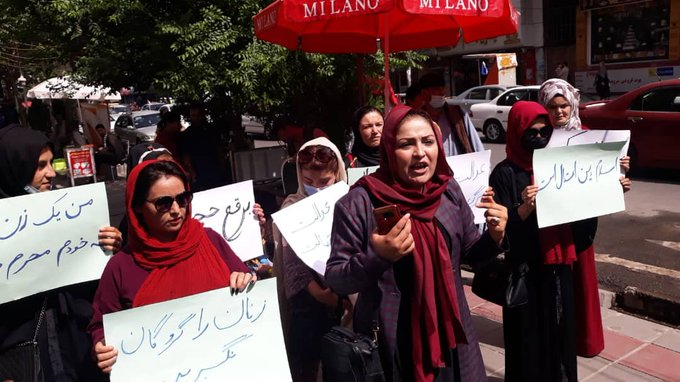
Since the Taliban takeover of Afghanistan, the country has become the most repressive in the world for women and girls, depriveing them of many of their basic rights, the United Nations said on Wednesday (local time).
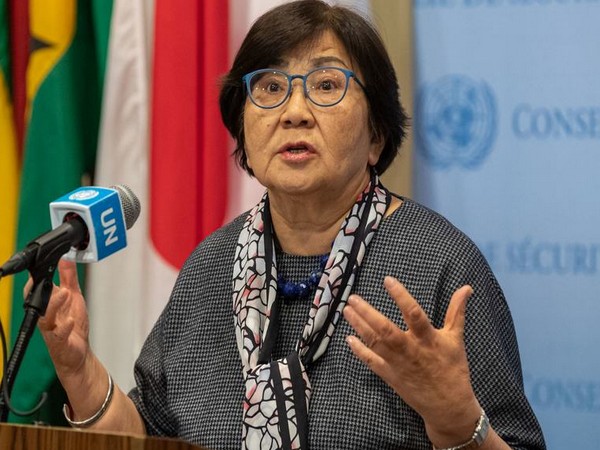
The UN mission in Afghanistan said in a statement released on International Women’s Day that the new Taliban leaders have “demonstrated an almost singular focus on imposing rules that leave most women and girls effectively trapped in their homes.” Roza Isakovna Otunbayeva, UN Special Representative and head of the UN’s Assistance Mission in Afghanistan, UNAMA, strongly condemned recent Taliban decrees that have further eroded the rights of Afghan women.
Afghanistan under the Taliban remains the “most repressive country in the world (for) women’s rights”, the senior UN official in Kabul told the Security Council on Wednesday, while nevertheless voicing a nuanced position on the importance of continuing to engage with the group.
“Afghanistan under the Taliban remains the most repressive country in the world regarding women’s rights, and it has been distressing to witness their methodical, deliberate, and systematic efforts to push Afghan women and girls out of the public sphere,” said Roza Otunbayeva.
Since taking power in August 2021, the new leaders have banned secondary and university education for girls and women, banned women from working in national and international nongovernmental organizations and have ordered women to be covered from head to toe.
Women have also been largely restricted from traveling outside of their homes, and have been excluded from public decision-making, the UN noted.
Otunbayeva said that restricting women to their homes is “one of the world’s largest humanitarian and economic crises is a colossal act of national self-harm.”
“Confining half of the country’s population to their homes in one of the world’s largest humanitarian and economic crises is a colossal act of national self-harm,” Otunbayeva also said.
“It will condemn not only women and girls, but all Afghans, to poverty and aid-dependency for generations to come,” she said. “It will further isolate Afghanistan from its own citizens and from the rest of the world.”
According to the International Labour Organization, female employment in Afghanistan was 25 percent lower in the final quarter of 2022 than during the final quarter of 2021, largely due to restrictions on where they can work and travel.
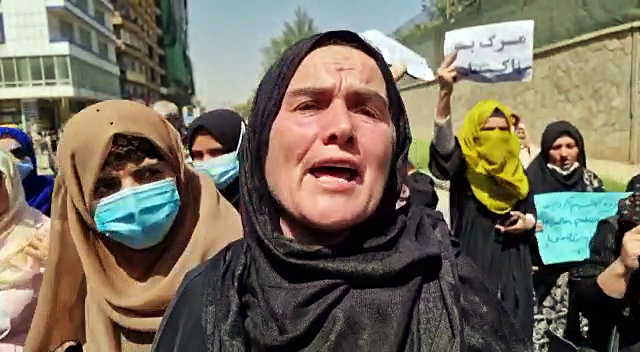
Taliban leaders have defended their restrictions on women’s education, saying that the bans were temporary because women were not following the dress code or they were studying subjects like engineering and agriculture.
The restrictions, especially the bans on education and NGO work, have drawn fierce international condemnation. But the Taliban have shown no signs of backing down, claiming the bans are temporary suspensions in place allegedly because women were not wearing the Islamic headscarf, or hijab, correctly and because gender segregation rules were not being followed.
As for the ban on university education, the Taliban government has said that some of the subjects being taught were not in line with Afghan and Islamic values.
The UN mission to Afghanistan also said it has recorded an almost constant stream of discriminatory edicts and measures against women since the Taliban takeover — women’s right to travel or work outside the confines of their home and access to spaces is largely restricted, and they have also been excluded from all levels of public decision-making.
The UN said these restrictions have caused severe aftereffects, including more suicides, child marriage, early childbearing, poverty-related losses and a higher risk of domestic violence and sexual exploitation among women.
According to the statement, 11.6 million Afghan women and girls are in need of humanitarian assistance. However, the Taliban are further undermining the international aid effort through their ban on women working for NGOs. (ANI)