Several sources in the Chittagong Hill Tracts (CHT) confirmed that armed Kuki guerrillas have scattered and shifted to remote hill-forest terrain, where it is difficult for anti-insurgency operations….writes Saleem Samad
Bangladesh and India are worried about the disturbing news of armed insurgents infiltrating into restive Mizoram state of northeast India as refugees.
Both Delhi and Dhaka are sharing intelligence reports, browsing local newspapers, and getting updates from local sources in a bid to counter new security challenges in the region. The development has raised the eyebrows of the top brass of both countries.
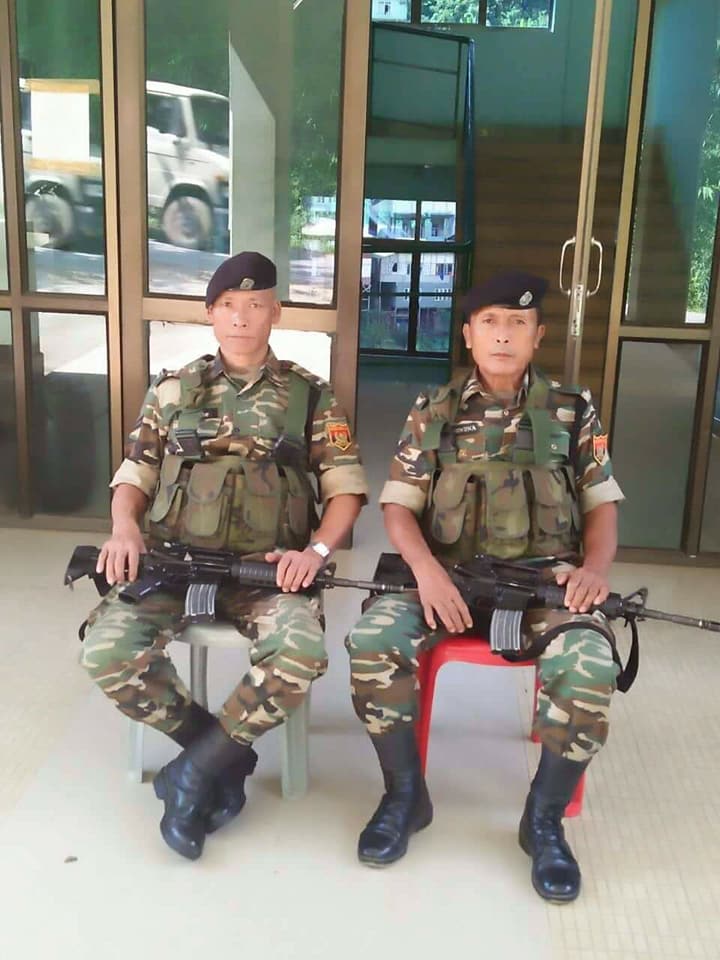
Recently the spate of insurgency, the Kuki-Chin National Army (KNA) was engaged in several bouts of skirmishes with the Bangladesh Army and the elite anti-crime force Rapid Action Battalion (RAB).
During the raid, several soldiers including an officer of the Bangladesh Army where dead others were grievously injured. The troops inflicted heavy causalities on KNA combatants.
Several sources in the Chittagong Hill Tracts (CHT) confirmed that armed Kuki guerrillas have scattered and shifted to remote hill-forest terrain, where it is difficult for anti-insurgency operations.
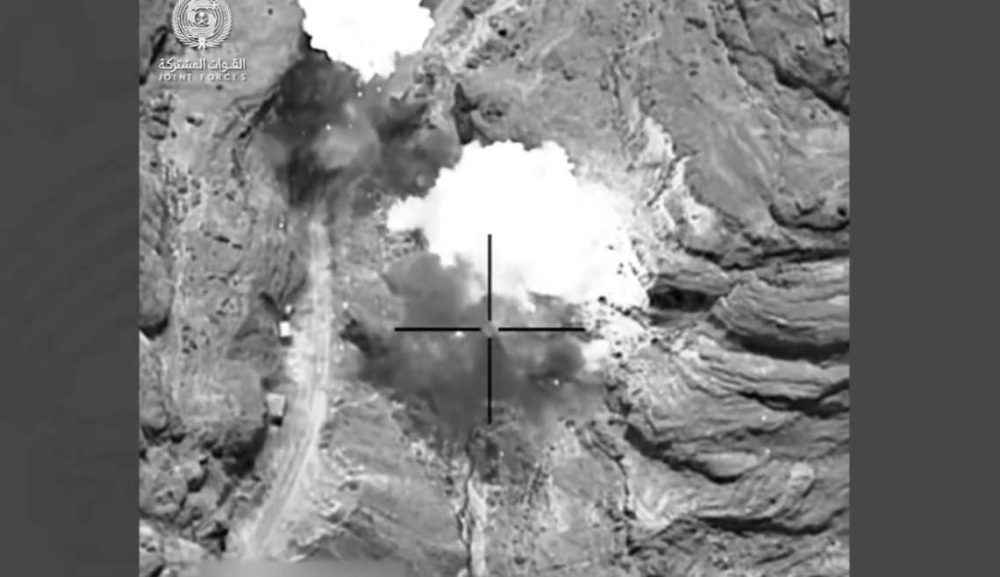
Last year, the KNA ‘s headquarters (HQ) and secret training location were smashed in a joint operation of the security forces.
Security forces officials declined to be identified, but privy to the operation to flush out, capture and destroy KNF hideouts said, the militants have taken refuge in no-man’s-land, bordering CHT and Mizoram, along the international border of Bangladesh and India.
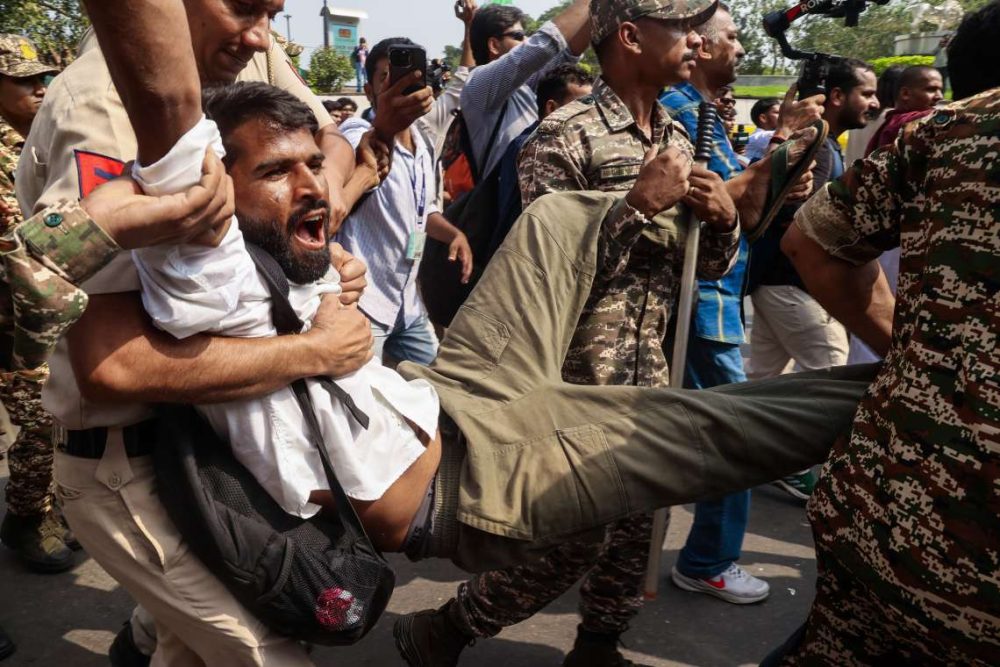
Hundreds of Kukis and other communities living in hill tracts have fled their hamlets after the military pounded hundreds of mortar shells to drive the KNF militants from their hideouts.
Amid conflicts, the neighbouring state of Mizoram is hosting hundreds of Kuki and other ethnic communities as displaced refugees due to anti-terror operations carried out by security forces in the southeast CHT.
Meanwhile, both the Assam Rifles and the Border Security Force (BSF) – which guards India’s border with Myanmar and Bangladesh have issued red alerts after two alarming incidents.
The Times of India newspaper on July 29 writes that KNA militants in disguise as ‘refugees’ have entered Mizoram and were apprehended.
The refugees from Myanmar and Bangladesh currently staying in Mizoram were issued temporary identification cards, which include details like name, place of origin and current address.
The Mizoram-based NGO, the Central Young Lai Association (CYLA) has issued a statement highlighting the incident that took place on June 26. It also expressed fear that militants possibly entered Mizoram in the guise of refugees and were indulging in gunrunning and arms training in Indian territory.
The second incident was an improvised explosive device (IED) blast in a forest in Lawngtlai district last month.
A few months ago, two KNA functionaries were apprehended by the Assam Rifles and handed over to the Mizoram Police.
Islamic outfit’s name surfaced after RAB held a press conference on 6 October 2022 raiding secret hideouts of the Islamic militants and netting fresh recruits from their safe house.
The apprehension has been caused after getting confirmation that KNA has joined hands with a little-known Islamist terror outfit, the Jamaa’tul Ansar Fil Hindal Sharqiya, to help establish an operational base in CHT.
he Assam Rifles has also confirmed the link between the KNA and the Islamist terror group. It is believed that the KNA had tested the IED for use against the Bangladeshi security forces.
Indian security agencies are worried because Mizoram could be used as a base to launch attacks on the Bangladesh security forces.
Earlier on 24 March 2022, six members of KNA were detained by the Indian Border Security Force (BSF) at the Mizoram border. All of them have disclosed that they were residents of the Bandarban district of Ruma Upazila.
They were detained while entering India through the Longtalai district of Mizoram on the Indo-Bangladesh-Myanmar tri-border.
The names of the arrested persons have been mentioned in the news of the Mizoram-based daily ‘Rauthla’ published on 28 March 2022.
Former military officers of the Bangladesh Army who were deployed in restive CHT and have experience in military operations in the hill-forests, said the terrain becomes extremely difficult for patrolling and raiding hide-outs in monsoon season.
Once the monsoon is over, the military is preparing for another military campaign if the KNF does not surrender in three months, sources said.

Brigadier General Bayezid Sarwar and Major Nasim Hossain who have recently written thought-provoking articles in leading national newspapers on the Kuki-Chin insurgency have shared their opinion with this journalist.
They opined that the security issue in CHT has been described as a fresh ‘headache’ for the security forces in containing the militancy.
Unfortunately, the politicians and the government, while the civil bureaucrats in the secretariat are unperturbed, said retired Major Khandakar Badrul Ahsan, who was once at the helms of affairs during the peak of anti-insurgency “Headmasters Operation” against the autonomy-seeking guerrillas during 1980s.
KNF is headed by a young sculptor Nathan Loncheu Bawn, from the ethnic Bawn community. He was formerly in a leading role with the pro-peace deal CHT Students Council (Pahari Chattra Parishad).
He quit politics and founded Kuki-Chin National Development Organisation (KNDO), a non-governmental organisation (NGO) in 2008 and is reportedly backed by Brigade Headquarters at Ruma Cantonment of Bangladesh Army.
The leaders of the organisation claim that the organisation considers Bawm, Lusai, Pangkho, Khyang, Khumi and Mro ethnic groups of the CHT as Zo people and has emerged as a formal political organisation to assert the rights of the Zo people.
The KNDO in 2015 demanded the government take steps for the development of the living standards of the Zo people in the CHT and allocate a separate budget for the Zo people.
The organisation also demanded that the government recognise Zo people inhabitants of 9 upazilas (sub-districts) of the three hill districts as Kuki-Chin states.
The Bawm in Bandarban is one of the 11 ethnic communities in Bangladesh with a population of nearly 12,000 people. The majority of the Bawn have converted to Christianity from animist, and speak in their local dialect.
During Nathan Bawn’s stint with the NGO, the KNDO has been transformed into a political organisation called the Kuki-Chin National Front (KNF) in 2019. He began recruiting youths to join the KNA, also popularly known as Bawm Party.
KNF aims to establish a separate autonomous state for the Bawm people with nine upazilas (sub-districts) of Rangamati and Bandarban districts.
Nathan Bawn, chairman of KNA has no experience in guerrilla warfare. Many are curious to know how he organised an insurgent force with recruits from the smaller ethnic communities.
According to Bangladeshi law enforcement agencies, KNF received weapons from the Kachin State of Myanmar and also has ties with Karen rebels.
His greed for cash was after he met his old Dhaka University friend Shamim Mahfuz, founder of the Islamic militant outfit Jamaa’tul Ansar Fil Hindal Sharqiya. Mahfuz studied at Rangpur Cadet College and while studying at Dhaka University he was radicalised.
Mahfuz was twice arrested on charges of Islamic militancy in 2011 and 2014. After he was released on bail in 2017, he decided to launch a new militant outfit with its headquarters in remote Bandarban hills.
In a secret collaborative dialogue at Cox’s Bazar sea resort town in 2019, where Mahfuz assured Bawn that their outfit would provide money for training their militants, supply weapons and provide a safe area for establishing his HQ. An agreement was signed in 2021 between the radical Islamic outfit and KNA.
Anti-terror unit of police and security experts know very little about the jihadist outfit Jamaa’tul Ansar Fil Hindal Sharqiya’s hierarchy, leadership structure, and fundraising sources.
Additional Commissioner Mohammad Asaduzzaman, the Chief of Counter Terrorism and Transnational Crime (CTTC) does not know much about both outfits.
However, a former member of Parbatya Chattagram Jana Samhati Samiti (PCJSS) high command believes that Jamaa’tul Ansar Fil Hindal Sharqiya by its nomenclature does not exist. The name was given by security forces, he argues.
The member of the PCJSS high command which signed a peace accord with the Bangladesh government in 1997 said his source claimed that KNF has relocated to Mizoram after a massive combing operation by the military and para-military forces after an IED blast by the KNF killing and wounding several government soldiers.
With the best of the best security cooperation, Delhi does not want to see Islamic militants prowling in the northeast. Simultaneously India will not allow KNA to use Mizoram for launching attacks on Bangladesh security forces.
(India Narrative)