China’s foreign ministry has cautioned against considering the IAEA report as a “green light” and highlighting potential health risks over the release of treated nuclear wastewater into the ocean, reports Asian Lite News
In response to Tokyo’s decision to release treated nuclear wastewater into the ocean from the Fukushima nuclear facility, China’s customs authority has announced a ban on food imports from 10 Japanese prefectures.
The International Atomic Energy Agency (IAEA) has approved Japan’s plan, affirming its compliance with global standards.
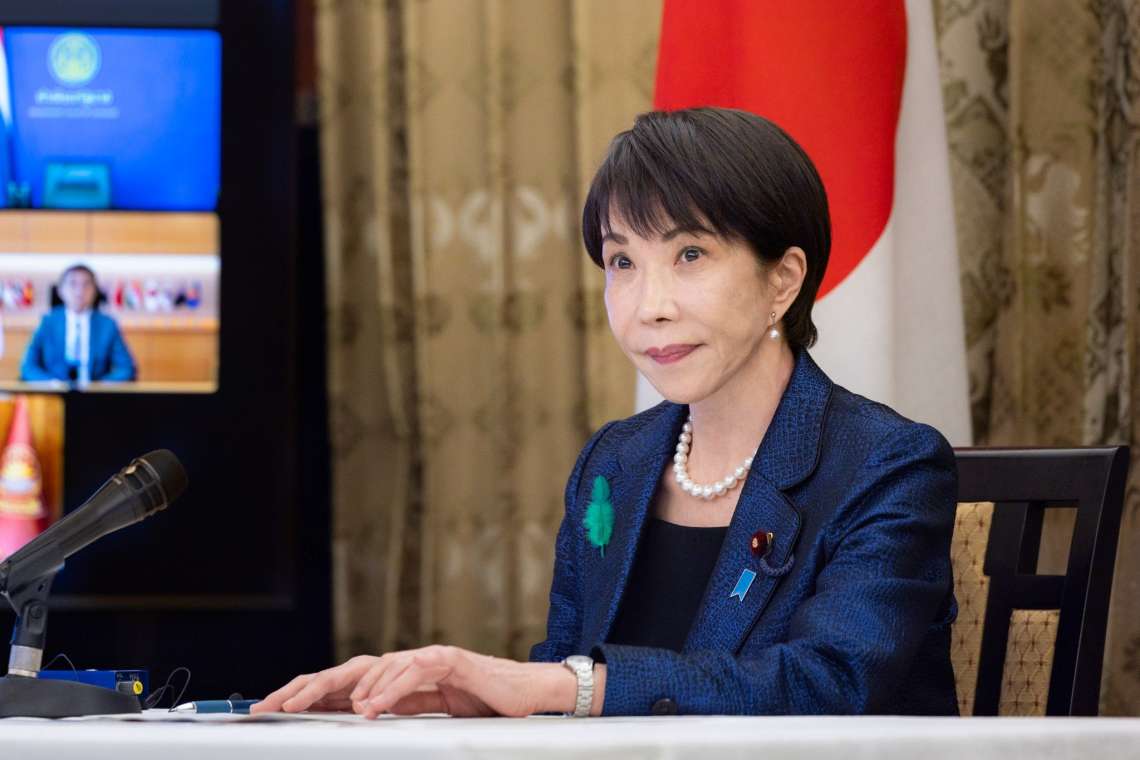
However, China’s foreign ministry has expressed reservations, cautioning against considering the IAEA report as a “green light” and highlighting potential health risks.
To address safety concerns, China’s customs authority will enforce strict radiation testing on food imports from the remaining prefectures of Japan while implementing a complete ban on foodstuffs from the affected Fukushima region.
Slamming China for its criticism, Tokyo has accused Beijing and South Korea of discharging liquid waste containing high levels of tritium, a radioactive material, Kyodo News reported.
Chief Cabinet Secretary Hirokazu Matsuno also said Japan will explain to China the planned water discharge into the sea from the nuclear complex, crippled by a devastating earthquake and ensuing tsunami in March 2011, “based on scientific perspectives”.
Japan’s standard for the release of tritium, at below 22 trillion becquerels per year, is far stricter than that of other nations including its neighbours China and South Korea, Kyodo News quoted Matsuno, the top government spokesman as saying.
In 2021, the Yangjiang nuclear plant in China discharged around 112 trillion becquerels of tritium, while the Kori power station in South Korea released about 49 trillion becquerels of the radioactive material, Kyodo News reported citing Japan’s industry ministry.
IAEA chief faces protest in Seoul
IAEA Director General Rafael Mariano Grossi arrived in South Korea on Saturday to explain the analysis of the UN watchdog’s safety review of Japan’s planned release of treated radioactive water from its crippled Fukushima nuclear plant.
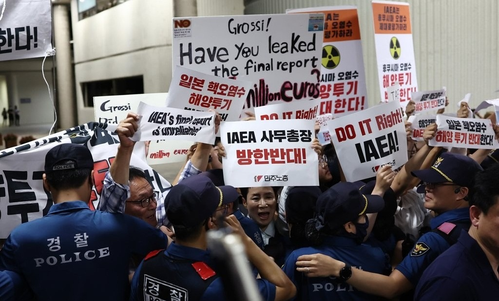
Grossi was met by a group of angry protesters at Seoul’s Gimpo airport, Yonhap News Agency reported on Saturday.
Dozens of protesters gathered in front of the airport’s VIP exit, with some of them loudly chanting slogans like “Grossi, go home”, “Oppose marine dumping” and “Leave Korea, Grossi”.
They occasionally clashed physically with the policemen who were positioned in front of the cordoned-off area.
After about two hours since his arrival, he successfully left the airport on Saturday, using another passage that went unnoticed by both the protesters and reporters.
Grossi flew in from Japan following the agency’s conclusion that Japan’s plan to release treated radioactive water from the plant into the sea is consistent with international safety standards.
While in Japan, Grossi delivered the IAEA’s report on Tokyo’s water release plan to Prime Minister Fumio Kishida.
The report was seen as a blessing for Japan’s planned water discharge, expected to begin in August.
It, however, prompted serious concerns in other countries, especially South Korea, where many believe the IAEA may have neglected or failed to verify the potential long-term impact of treated wastewater on people and the environment.
Ahead of his visit , the Seoul government said Japan’s plan to release contaminated water from the Fukushima plant would meet international standards, including those set by the IAEA, if carried out as planned.