The establishment of Confucius Institutes and Classrooms in 162 countries further supported this narrative, according to Khabarhub…reports Asian Lite News
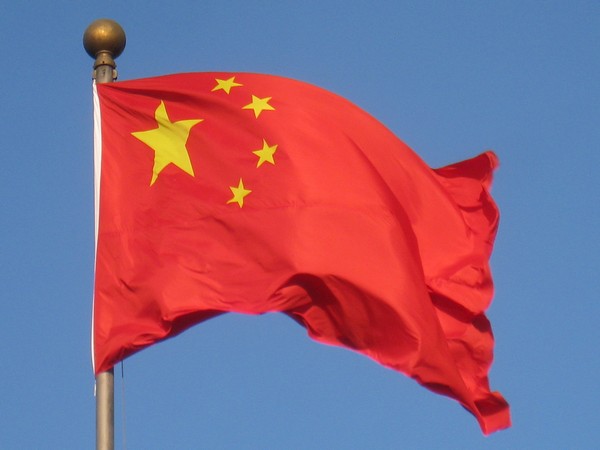
Chinese President Xi Jinping’s 2015 statement, “Wherever the readers are, wherever the viewers are, that is where the tentacles of propaganda reporting should be extended,” serves as a backdrop to the Chinese government’s increasing control over its media and its expanding efforts to shape narratives beyond its borders, Kathmandu-based media house Khabarhub reported.
Under Xi’s leadership since 2012, China has significantly tightened its grip on the nation’s media. Simultaneously, it has sought to establish its preferred narrative globally. State broadcaster CCTV, rebranded as CGTN for international audiences and the Xinhua news agency have rapidly expanded their presence worldwide.
The concept of Soft Power became crucial for China since 2007, and it invested heavily in state-owned media outlets such as China Daily and CGTN, aiming to emphasize the “Rise of China” by showcasing its economic achievements. The establishment of Confucius Institutes and Classrooms in 162 countries further supported this narrative, according to Khabarhub.
Despite being one of the world’s worst performers in press freedom, China’s media companies, both state-owned and private, are actively involved in content production, investment in other media ventures, and media development efforts. Managing public opinion overseas, especially concerning the Communist Party’s legitimacy, Tibet, alleged Uyghur rights violations in Xinjiang, Hong Kong’s political rights, and the country’s role in the COVID-19 pandemic, is a significant part of their propaganda.
China’s influence in South Asia and its potential interference in democracy is a complex and evolving issue. Chinese media has been shaping public opinion and political discourse in South Asian countries, often engaging in self-censorship to avoid criticism of China’s policies.
China’s control over Pakistan’s domestic media is facilitated by the China-Pakistan Economic Corridor and the rhetoric of an all-weather friendship between the two countries. In Afghanistan, China’s state news agency Xinhua has become the second-most-influential news source, trailing only The Associated Press.
China’s media influence in South Asia also extends to new media tactics, such as cyberbullying, fake social media accounts, and targeted disinformation campaigns. These efforts are often conducted by state media outlets and proxies. While China’s media influence in South Asia is complex, the impact varies depending on local media landscapes, government regulations, and the resilience of democratic institutions. Public awareness of China’s activities is growing, and social media platforms are improving their monitoring and response capabilities.
China’s influence tactics also extend to cyberspace, with fake social media accounts, targeted disinformation campaigns, and coordinated online harassment of journalists.
However, South Asian countries’ media landscapes, democratic institutions, and public awareness about China’s activities determine the extent of its success. As China continues to expand its media manipulation efforts in South Asia, there is growing awareness of its actions, and social media platforms are improving their ability to respond to these challenges, Khabarhub reported. (ANI)