March 1, 2023
4 mins read

G20 ECSWG meeting to be held on March 27 in Gujarat

Aspects pertaining to branding, security, venue management, cultural events showcasing Gujarat’s traditions and other logistic arrangements were deliberated…reports Asian Lite News

The Second Environment and Climate Sustainability Working Group (ECSWG) meeting will be held at Gandhinagar from March 27 to 29.

According to the Ministry of Environment, Forest and Climate Change, the Second ECSWG will commence with a side event on water resources management wherein presentations on Best Practices in Water Resources Management by G20 member countries will take place. “This will be followed by an excursion and site visit to Adalaj Vav which demonstrates the ancient water management practices of India and India’s long-standing tradition of conserving its water resources in a beautiful ambience,” the ministry said.

The ministry said that this will be followed by a site visit to ‘Sabarmati siphon and escape on Narmada main canal’, which demonstrates India’s engineering prowess as the Narmada river’s waters flow through a huge tunnel built under the bed of the river and continue on the other side. Delegates will also visit Sabarmati Riverfront, to witness the wastewater management practices like the use of treated water from the sewage treatment plants to replenish the river.

Over the subsequent two days, technical discussions on India ECSWG themes- Accelerating Ecosystem Restoration and Enriching Biodiversity; Promoting a Sustainable and Climate Resilient Blue Economy; and Encouraging Resource Efficiency and Circular Economy will take place.

Delegates will also get a glimpse of Gujarat’s vibrant cultural traditions through its dances and music performances, specially curated for the delegates.

To review the preparedness for the Second ECSWG meeting, a meeting was held today between the Secretary, Ministry of Environment, Forest and Climate Change (MoEF&CC), Leena Nandan and Chief Secretary to Government of Gujarat, Raj Kumar. Secretary, MoEF&CC also held discussions with Head of structures/arrangement for G20 Summit meetings, Smt. Mona Khandhar. During the meeting, Addl Chief Secretary, Forest & Environment Department, Arunkumar Solanki; PCCF& HoFF, S K Chaturvedi, and PPCF(WL), Nityananad Srivastava from Forest department were also present.

Aspects pertaining to branding, security, venue management, cultural events showcasing Gujarat’s traditions and other logistic arrangements were deliberated.

The State Government assured full preparedness for a warm welcome to all G-20 delegates and to ensure that the event is a grand success.

India shall be holding the Presidency of G20 for one year, till 30th November 2023. The forum will bring together the G20 member countries, guest countries and international organisations invited by India. Through the Sherpa Track, 13 Working Groups and 2 initiatives will meet under India’s Presidency to discuss priorities and provide recommendations.

Environment and Climate Sustainability is one of the working groups under the Sherpa track. Four Meetings of the Environment and Climate Sustainability Working Group (ECSWG) are scheduled to be held at Bengaluru, Gandhinagar, Mumbai and Chennai. These meetings will be hosted by the Ministry of Environment, Forest and Climate Change (MoEF&CC).

The first G20 Environment and Climate Sustainability Working Group (ECSWG) meeting concluded in Bengaluru on a positive note with all G20 countries expressing support on the themes outlined by MoEF&CC for India’s Presidency. (ANI)

Mizoram To Host G20 Meeting From March 1-3

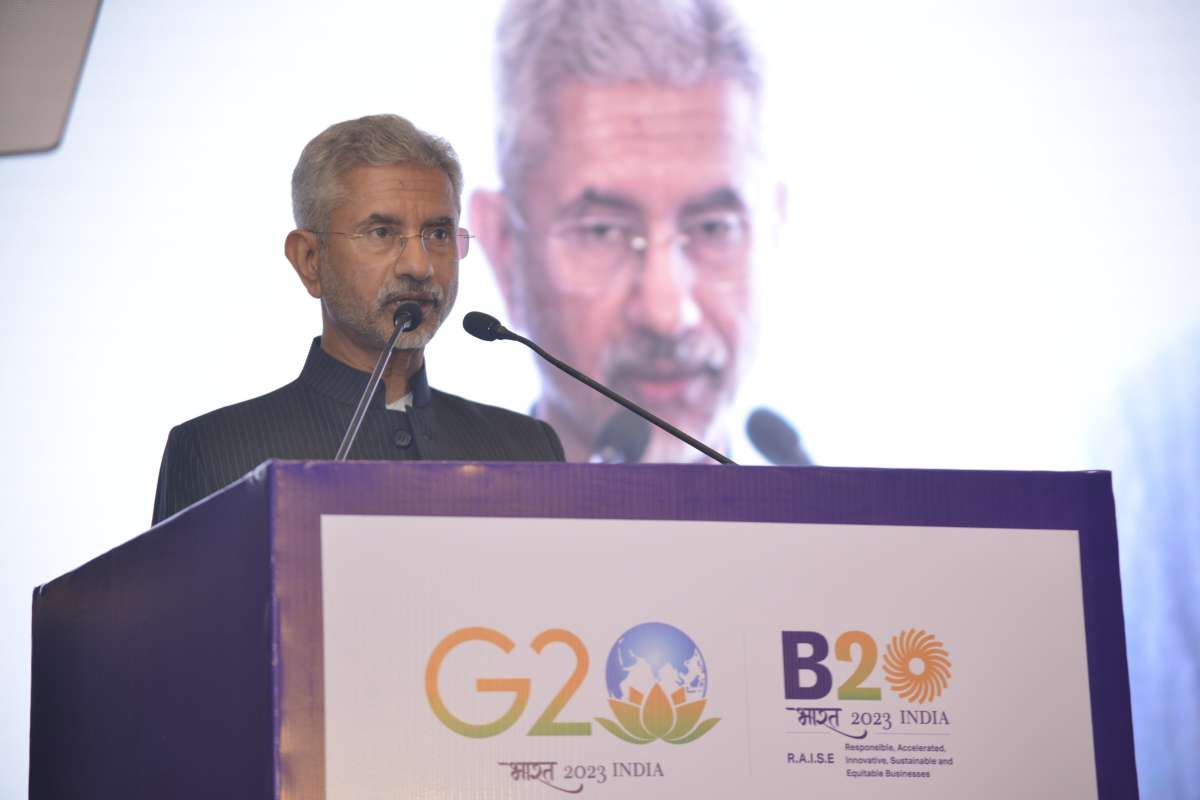
Mizoram will host a G20 meeting here from March 1-3, where business delegates and diplomats from across the world are expected to participate, Chief Minister Zoramthanga said on Tuesday.

Around 85 local startups will also take part in the event at the Mizoram University (MZU) on the western outskirts of Aizawl, he said.

“The G20 meeting will bring together several policymakers, business leaders, along with representatives of multilateral organisations,” Zoramthanga told a press conference here.

The chief minister said 48 business delegates and 17 diplomats from 17 countries, including the US, Germany, China, France and Japan would participate in the meeting.

The event will focus on opportunities for business partnerships in areas like urban planning, infrastructure, startups, skill development, handloom and handicraft, he said.
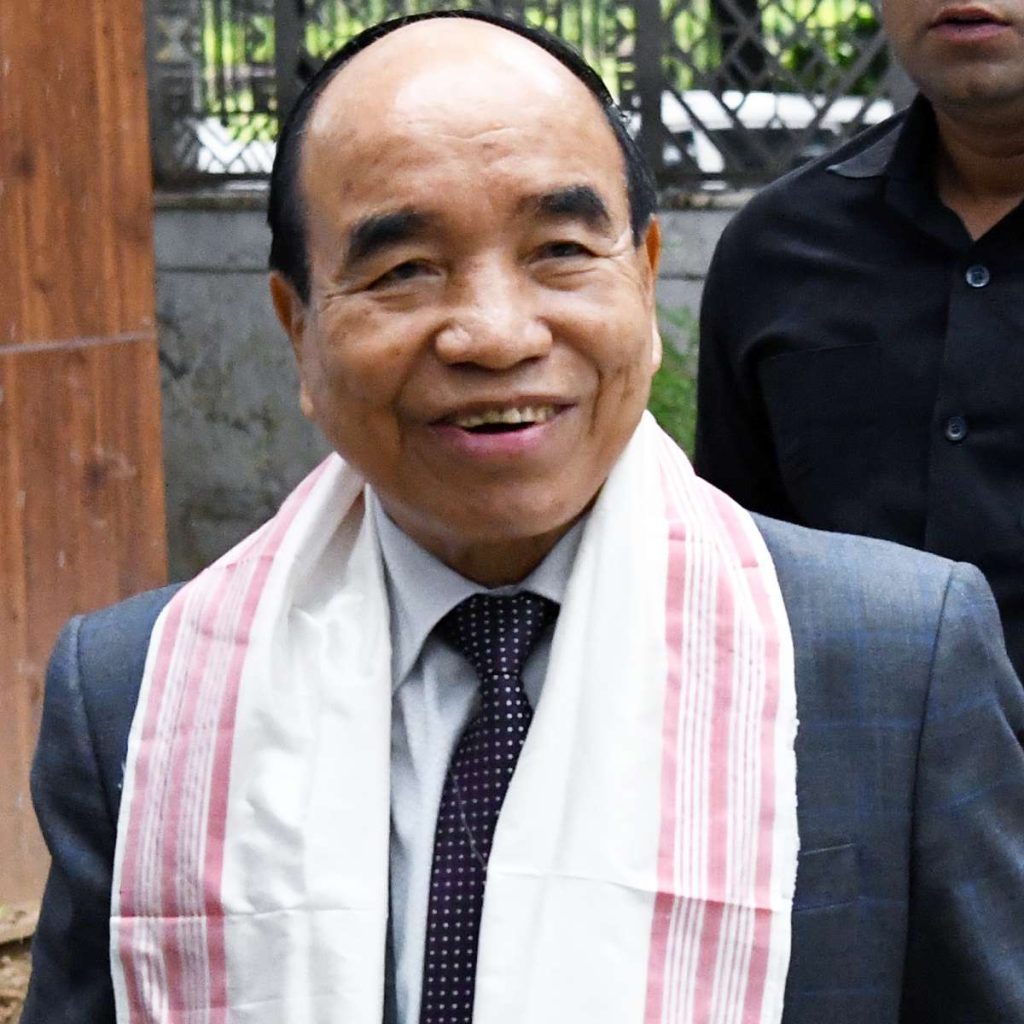
Zoramthanga said the G20 meeting would provide a platform to project Mizoram as an important investment destination, besides giving the delegates a sneak peek into the culture, heritage and tourism potential of the state.

As part of the programme, the Confederation of Indian Industry (CII) will facilitate Business to Business (B2B) and Business to Government (B2G) meetings, he added. India formally assumed the G20 Presidency on December 1 last year.
ALSO READ-Blinken, Lavrov, Qin in India for G20 meet

Previous Story

Australian Foreign Minister arrives in India

Next Story

‘India-Europe ties stronger than ever before’

Previous Story

Australian Foreign Minister arrives in India

Next Story

‘India-Europe ties stronger than ever before’

Latest from -Top News

Pakistan Risks Overstretching Itself in Yemen War

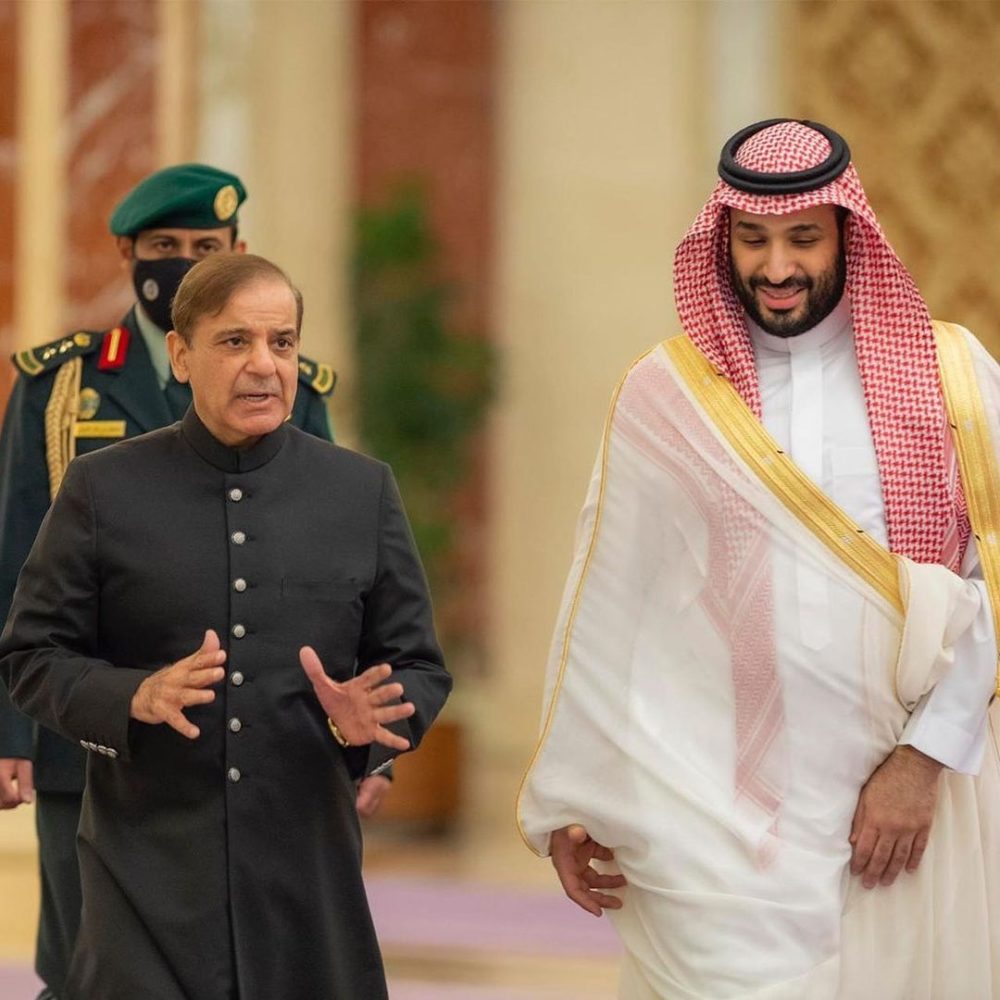
Pakistan’s expanding military role in Saudi Arabia amid the Yemen conflict could strain its defence resources and fragile finances…reports Asian Lite News Desk Pakistan’s military involvement in the war in Yemen may prove unsustainable because of mounting financial pressures and competing security demands, according to a new report. Islamabad’s growing military presence in Saudi Arabia risks stretching its defence resources while exposing the country to greater strategic and economic challenges. An article by Andrew Wilson in One World Outlook describes Pakistan’s involvement as a case of “fiscal and strategic overreach”, arguing that the country lacks the financial flexibility to sustain an expanded military commitment. Pakistan’s external finances depend heavily on an International Monetary Fund (IMF) programme, financial support from Gulf countries and remittances from Pakistani workers in the region. The report argues that deeper military involvement in the conflict could place additional pressure on these sources of financial stability. It also warns that deploying troops and military equipment abroad could weaken Pakistan’s capacity to address security challenges along its eastern border and deal with two domestic insurgencies. The move could also draw Islamabad into a conflict it has sought to approach cautiously. A Reuters report in May, citing Pakistani security and government sources, said Islamabad had deployed around 8,000 troops, a squadron of approximately 16 aircraft, mostly JF-17 fighter jets, two drone squadrons and a Chinese HQ-9 air-defence battery to Saudi Arabia. According to those sources, Riyadh was financing the deployment, with Pakistani personnel operating the equipment. The sources also said a confidential agreement contemplated the possibility of deploying up to 80,000 troops. Islamabad has not confirmed those figures, although it has acknowledged its military presence in Saudi Arabia, including the deployment of fighter jets at King Abdulaziz Air Base from April. The One World Outlook article argues that Saudi financial support can cover allowances and operating expenses but cannot easily replace military equipment needed elsewhere or resolve the political and strategic challenges of participating in the Yemen conflict. Pakistan’s defence budget is another concern. For the 2026-27 financial year, the federal government allocated PKR 3 trillion, or approximately $10.8 billion, to defence services. The allocation represents an 18 per cent increase from the original PKR 2.55 trillion provision and amounts to around 2.1 per cent of projected gross domestic product (GDP). Defence spending accounts for approximately 16 per cent of the federal government’s PKR 18.8 trillion expenditure. Military pensions are budgeted separately at PKR 822 billion, while debt servicing costs stand at approximately PKR 8 trillion, more than two-and-a-half times the defence allocation. The report argues that these competing financial obligations leave little room for additional military expenditure without placing further pressure on public finances. Pakistan’s reliance on IMF assistance also limits its fiscal flexibility. The country must meet the conditions attached to the programme, including a primary budget surplus target of 2 per cent of GDP and continued restraint on development spending. According to the article, these requirements make it difficult for Islamabad to finance an additional military commitment without compromising other budgetary priorities. Pakistan’s economic indicators offer limited reassurance. Economic growth for the 2025-26 financial year is estimated at between 3.6 and 3.7 per cent, while inflation reached approximately 10.3 per cent in September following an energy price shock. Foreign exchange reserves stood at around $21.5 billion at the end of September. Although this marks an improvement from the low levels recorded in 2023, the report notes that the reserves cover only a few months of imports. Financial assistance from Gulf partners remains central to Pakistan’s external stability. The article says Islamabad holds approximately $8 billion in Saudi deposits at its central bank. In July, the State Bank of Pakistan said Riyadh had extended the maturity of $5 billion in deposits to December 2028, easing the country’s immediate external financing requirements. A further $3 billion deposit was also extended in the spring. However, the article argues that these arrangements provide temporary relief rather than long-term financial independence, particularly as regional conflict threatens the stability of the Gulf economies on which Pakistan relies. The report concludes that Pakistan faces a difficult balance between supporting Saudi Arabia militarily and preserving the financial and military resources needed to address its domestic and regional challenges.

UK and Germany Ratify Kensington Treaty

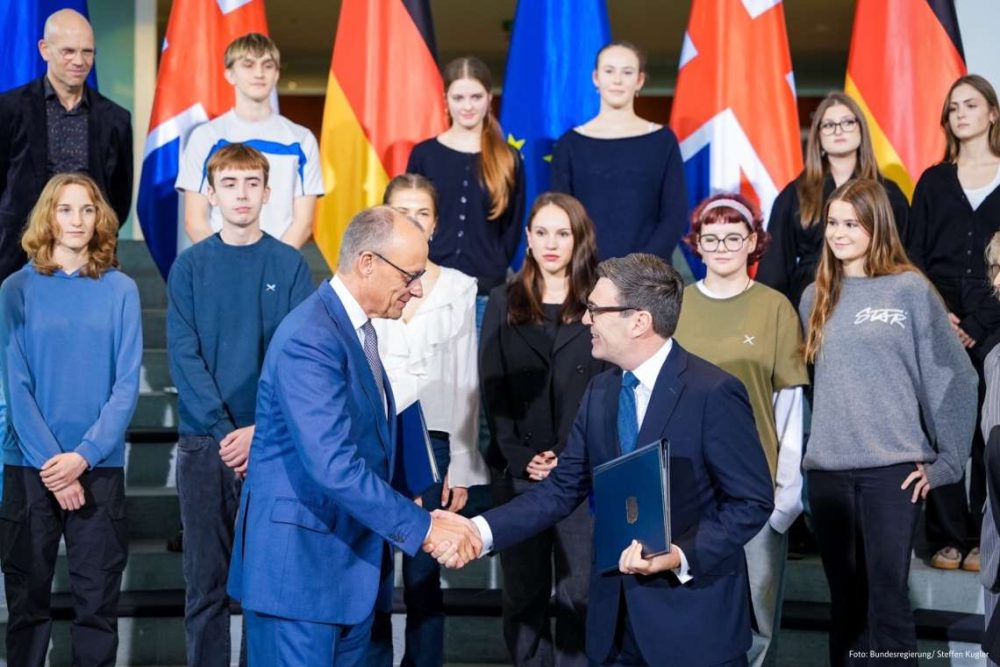
Britain and Germany ratify the Kensington Treaty, agreeing new cooperation on AI, quantum research, defence and security while targeting investment, jobs and Russian hybrid threats…reports Asian Lite News Desk Britain and Germany

Economic tide is turning in Bangladesh

If there is one thing that can bring some comfort to the struggling Bangladeshi economy, it is good relations with India. Bangladesh should remember that Delhi’s backing, through easy supplies of essentials
Go toTop

Don't Miss

India aligns green energy push with G20 Presidency

The government announced an outlay of Rs 19,700 crore for

‘India holding G20 presidency matter of pride for South Asia’

India’s growing startup ecosystem benefits Bhutan as it will provide