January 4, 2023
1 min read

Japan, 4 others start responsibilities as newly elected UNSC members

A flag installation ceremony was held on Tuesday to mark the start of their responsibilities. The ceremony was initiated by Kazakhstan in 2018…reports Asian Lite News

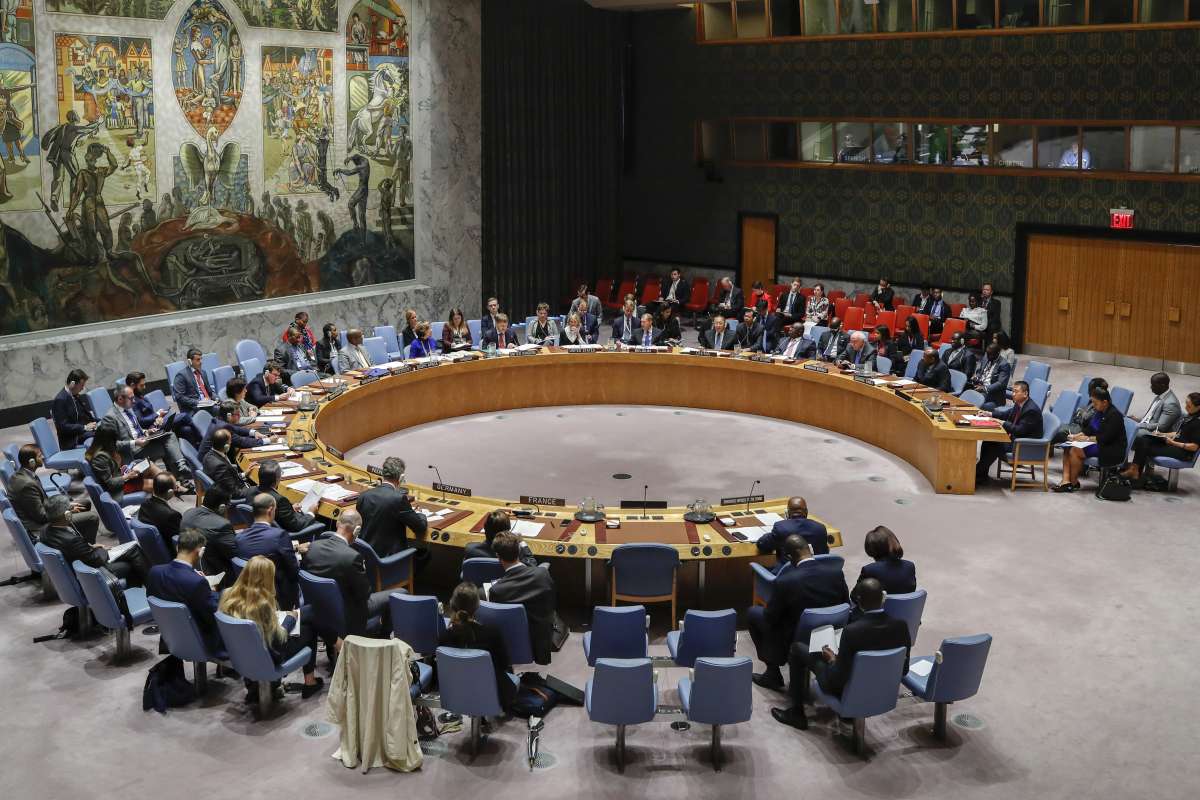
Five countries — Ecuador, Japan, Malta, Mozambique and Switzerland — have began to assume responsibilities as non-permanent members of the United Nations Security Council.

Their two-year term officially started on January 1, but the first business day of the Security Council for 2023 after the New Year holiday break is Tuesday, January 3, Xinhua news agency reported.

A flag installation ceremony was held on Tuesday to mark the start of their responsibilities. The ceremony was initiated by Kazakhstan in 2018.

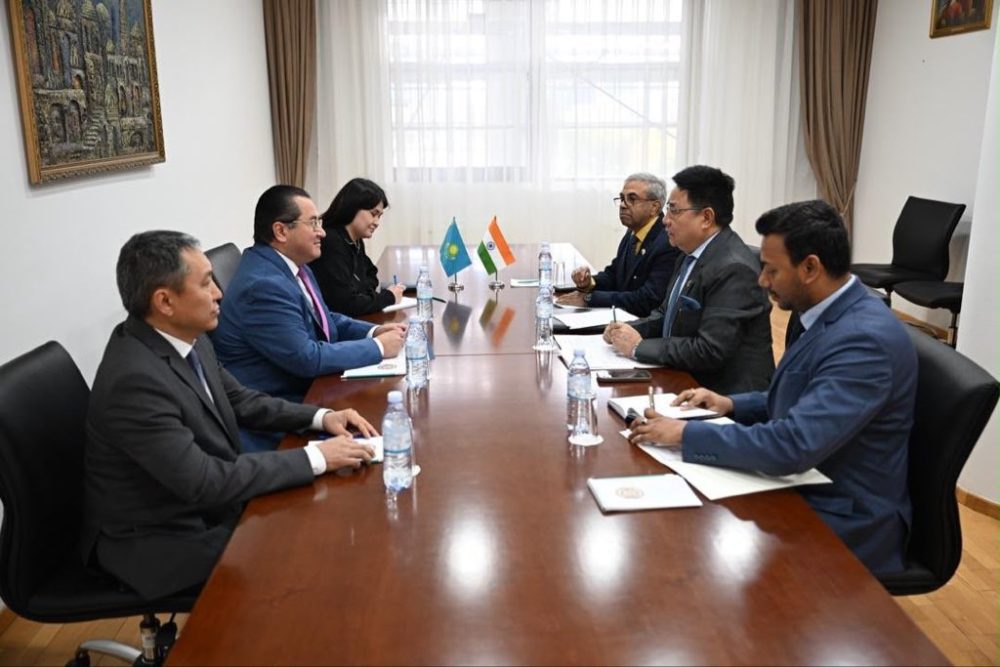
Kazakhstan’s permanent representative Akan Rakhmetullin, who presided over the ceremony, voiced confidence that the five new council members will bring much depth and focus to the pressing issues of global peace and security.

“As we begin a new year, it is clear that the global situation continues to be marked by numerous challenges and crisis, from ongoing conflicts and humanitarian calamities to the negative impacts of climate change and the pandemic,” Rakhmetullin said.

Addressing these acute issues requires cooperation and solidarity as well as the commitment of all UN member states, he said.

The permanent representatives of the five new council members made short speeches before they installed their respective national flags outside the Security Council Chamber.

The five countries replaced India, Ireland, Kenya, Mexico and Norway.

The 15-member Security Council has five permanent members — the USA, the UK, France, Russia and China, and 10 non-permanent members elected for two-year terms by the UN General Assembly. Five non-permanent members are replaced every year.

Albania, Brazil, Gabon, Ghana and the United Arab Emirates are in the middle of their two-year term as non-permanent members.
ALSO READ: Pakistan-Taliban ties in jeopardy

Previous Story

Pakistan has right to defend itself from terrorism: State Dept

Next Story

Amnesty Int’l intervenes in Gwadar situation

Previous Story

Pakistan has right to defend itself from terrorism: State Dept

Next Story

Amnesty Int’l intervenes in Gwadar situation

Latest from -Top News

Zero Tariffs Won’t Fix Africa-China Trade Imbalance

China’s zero-tariff policy is expected to boost African exports, but analysts say greater market access alone may not address the continent’s trade imbalance….reports Africa Daily News Desk China’s decision to provide zero-tariff

77 Years On, Tibetans Still Don’t Trust China

A report claims decades of Chinese rule have failed to win the trust of Tibetans, citing restrictions on culture, language and religious practices…reports Asian Lite News Desk Tibetans have little trust in

India Flags US Russia Sanctions Impact

India says it remains committed to energy security as the US Congress passes a sanctions bill targeting major buyers of Russian energy…reports Asian Lite News Desk India on Thursday said it was

US blocks Abbas from UN meeting again

The US has again denied Mahmoud Abbas a visa for the UN General Assembly, prompting Palestinian condemnation and raising fresh questions over diplomatic access, reports Asian Lite News Desk The United States

Jaishankar gets warm welcome in Bhutan

External Affairs Minister S Jaishankar on Thursday received a warm welcome from Bhutanese Finance Minister Lyonpo Lekey Dorji as he arrived in Thimphu for a two-day official visit focused on strengthening bilateral
Go toTop

Don't Miss

US, Japan defence chiefs discuss situation in East and South China sea

Defence Secretary Lloyd Austin underscored American support for the US

Japan’s chip equipment export curbs to tackle China

China has reacted negatively to the decision, despite Japan’s failure