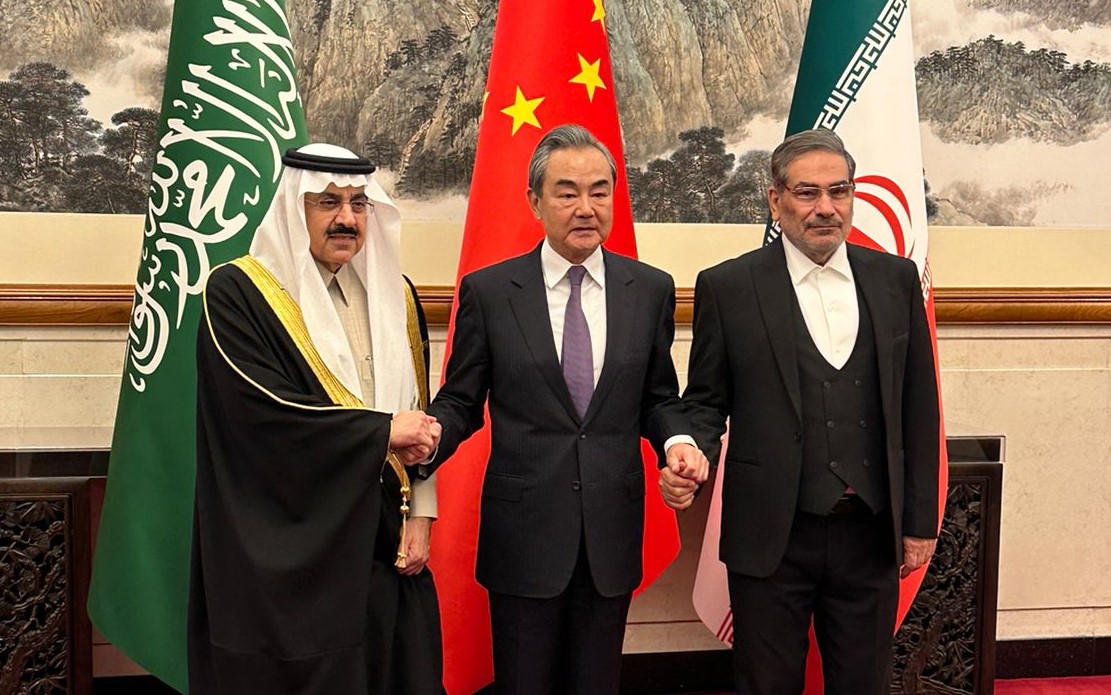
There are hopes that the agreement between Tehran and Riyadh may lead to a ceasefire in Yemen, however, it is not at all sure that it will end the civil war in the country, writes John Solomou
The China-brokered accord between Riyadh and Tehran providing for the re-establishment of diplomatic relations between two formerly sworn enemies – an agreement that took everyone by surprise – could have far-reaching repercussions, such as ending the proxy war between the two countries in Yemen and could even change dynamics in the Middle East. The agreement is extremely significant, because it is the first time that China intervenes so dramatically and effectively in the affairs of the Middle East and because it comes at a moment when the United States was trying, by increasing pressure on Tehran, to push Saudi Arabia to establish diplomatic ties with Israel.
It also undercuts US diplomacy in the Middle East and shatters Israeli dreams of forming an Arab alliance against Tehran.
On March 10 it was announced that Iran and Saudi Arabia, with the mediation of China, agreed to re-establish diplomatic relations and reopen their embassies within two months. The foreign Ministers of the two countries will meet soon to prepare for the meeting of ambassadors.
It was also reported that the deal will also revive a security cooperation agreement as well as other agreements signed in the past between the two countries.
A statement issued after the deal said Saudi Arabia and Iran affirmed their “respect for the sovereignty of states and the non-interference in internal affairs of states”.
It should be mentioned that Iraq and Oman in the past had made several efforts to bring the two sides together and undoubtedly facilitated the final achievement of the rapprochement between Iran and Saudi Arabia, brokered by China.
Saudi Arabia and Iran cut diplomatic relations in 2016 when Iranian protestors burned the Saudi embassy in Tehran, following the execution by the Saudis of prominent Shiite cleric Nimr-al-Nimr. Since then, Riyadh and Tehran have been at loggerheads due to the bloody war in Yemen, in which they support different sides.
Iran supported the Houthi Shiite insurgents, who control 12 of Yemen’s provinces, while Saudi Arabia supports the government of Sunni President Abdul Rabbu Mansur Hadi, based in Aden. The war has created one of the worst humanitarian crises in the world with more than 233,000 dead, an estimated 17 million people acutely undernourished, and 4.3 million internally displaced.
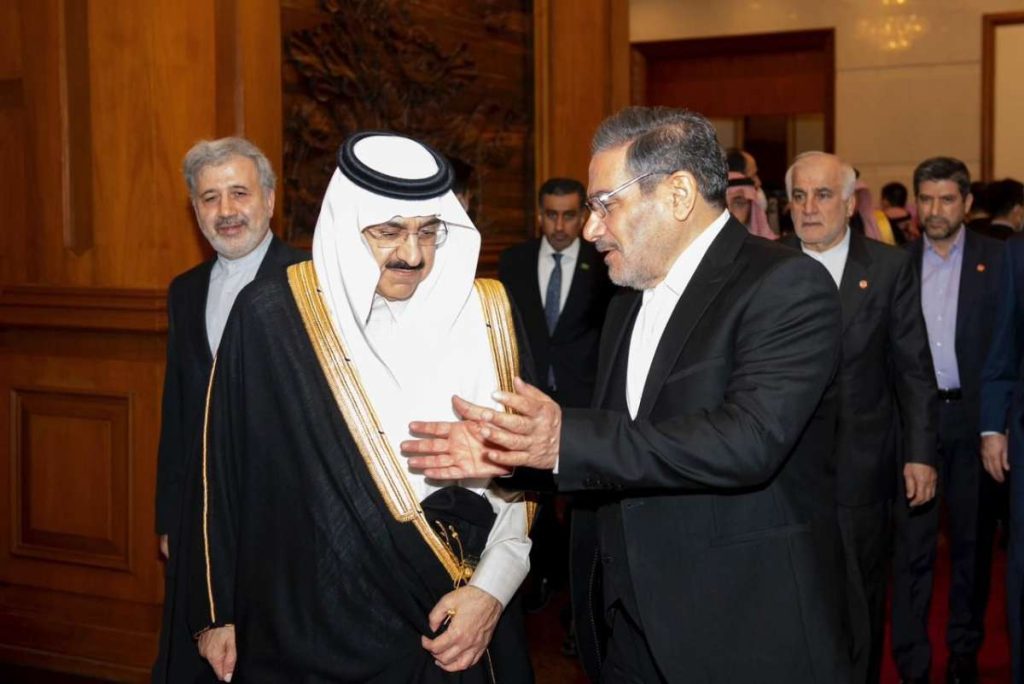
According to a report in the Wall Street Journal, as part of the Chinese-brokered deal reached, Iran will stop sending arms to its Houthi allies.
There are hopes that the agreement between Tehran and Riyadh may lead to a ceasefire in Yemen, however, it is not at all sure that it will end the civil war in the country.
As Elizabeth Kendal, an expert on Yemen points out: “Even if the Saudis and Houthis reach a peace deal, various domestic actors remain and serious controversies are likely to erupt over who controls power in Yemen, particularly in the south where southern separatists continue to push for an independent state.”
Other press reports say that the deal includes provisions for an end to attacks against Saudi targets, such as the drone attack against an Aramco oil facility in Abqaiq in 2019, while Saudi Arabia will stop its propaganda against the Iranian government transmitted by the London-based satellite channel Iran International News Service.
If some remaining obstacles are removed, the restoration of relations between Riyadh and Tehran will have far-reaching repercussions in the Middle East as well as affect several countries and could force the change of entrenched policies.
The main policy that will have to change or at least be recalibrated is the policy of the United States and Israel to convince other countries to isolate Iran. As Saudi Arabia, the strongest opponent of Iran in the Middle East restores relations with Tehran, it would be very difficult to persuade other countries in the region to cut off their economic and other ties with Iran.
Moreover, instead of seeing countries reducing trade with Tehran, we may see Saudi Arabia investing billions of dollars in Iran, propping in this way, not isolating the Iranian Theocracy.
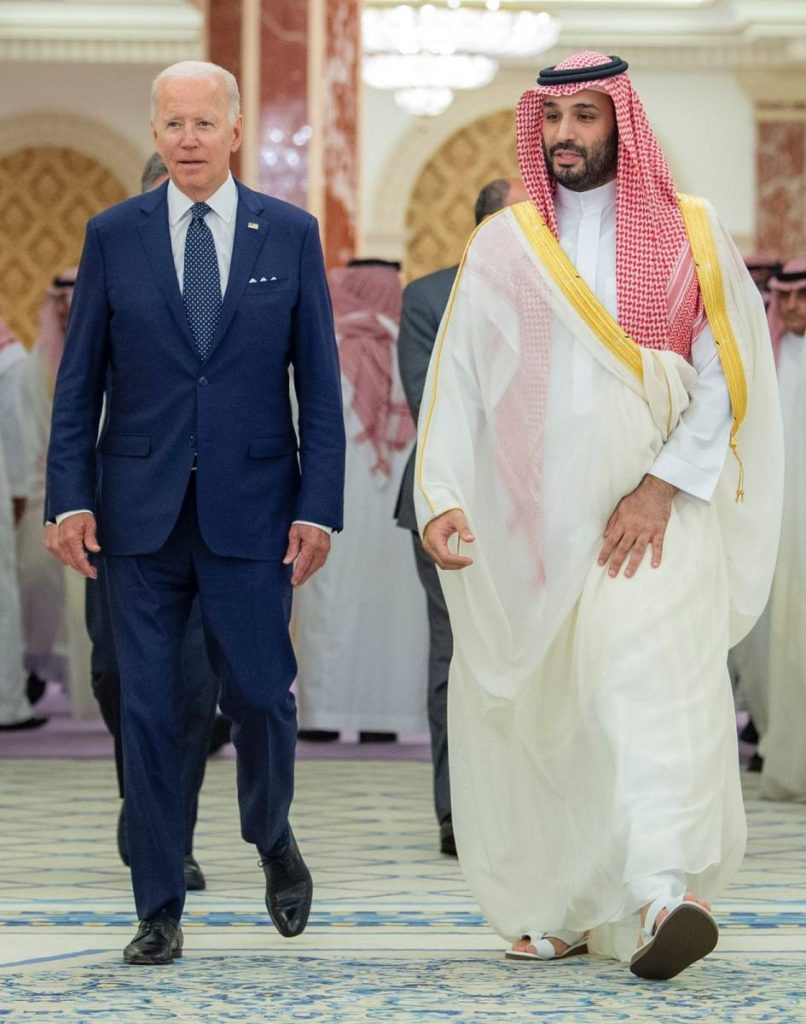
While the general perception in the Middle East is that the US is gradually withdrawing from the region and President Joe Biden is trying to convince Middle East leaders that this is not true, China has stepped in quite forcefully and dynamically and showed that it is able to replace the US as the major world power calling the shots in the region.
Undoubtedly, the agreement reached between Saudi Arabia and Iran is the biggest success of China’s diplomacy in the Middle East, showing everybody that Beijing is now ready to intervene forcefully in efforts to solve international problems, but without pressurizing governments over matters of democracy or human rights, as the US Administration often does, with poor or negative results.
China is already Saudi Arabia’s largest trading partner, surpassing both the US and the EU. Furthermore, it is in a position to provide the technology the Kingdom wants to acquire, particularly in building nuclear power plants and missile factories, without the conditions imposed by the US Congress.
According to press reports, the Saudi government in the past indicated that US assistance in building nuclear power plants was a precondition for Riyadh concerning any US plans for the normalization of its relations with Israel. However, such a thing now appears to be off the cards, as the Kingdom will get from China the necessary technical expertise and equipment required for the plants and the Saudis can now, without facing any repercussions, refuse to recognize Israel.
It is evident from all the above that the agreement reached between Saudi Arabia and Iran will affect state relations in the Middle East and elsewhere and is indicative of China’s newly found determination to intervene and mediate international problems.
As Haaretz journalist Zvi Bar’el points out: “The dramatic announcement (about the restoration of relations) is likely to redraw the regional map of friends and foes and will have global reverberations. The agreement provides Iran with much-needed legitimacy in the Arab world, and could lead to further deals with Arab states like Egypt, pave the way to end the war in Yemen, offer a workable solution to the crisis in Lebanon, and even lead to a resumption of negotiations to save the nuclear deal.” (ANI)