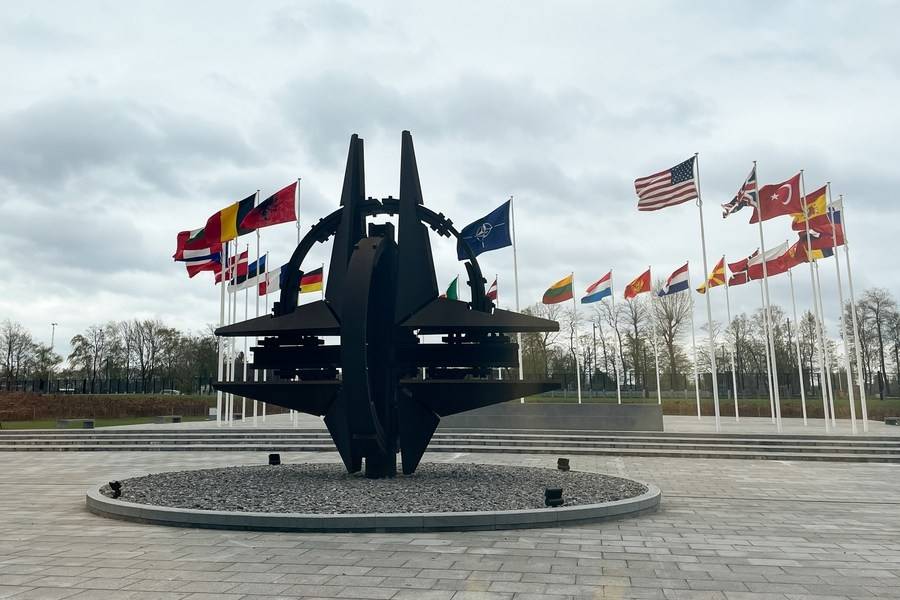
The NATO+5 group currently comprises all 31 member countries of NATO and Australia, New Zealand, Israel, Japan and South Korea, all countries that have bilateral defense and security treaties with the US, reports Yashwant Raj
A US congressional committee has recommended that India should be added to an expanded group of close American allies currently called NATO+5 as part of a broader effort to deter any Chinese military aggression against Taiwan.
The panel also suggested that to improve the effectiveness of economic sanctions the US must coordinate them with the Quad, an Indo-Pacific-centric group US forms with India, Australia and Japan, and other alliances and partnerships.
“The US should strengthen the NATO Plus arrangement to include India,” said the House Select Committee on the Strategic Competition between the US and the Chinese Communist Party in a report released on Wednesday titled “Ten for Taiwan policy recommendations to preserve peace and stability in the Taiwan Strait”.
The NATO+5 group currently comprises all 31 member countries of NATO and Australia, New Zealand, Israel, Japan and South Korea, all countries that have bilateral defense and security treaties with the US.
India doesn’t have a defence treaty with the US, but the latter has granted it the unique status of a “Major Defence Partner” with Strategic Trade Authorization 1 (STA-1) category facilitating license exemption for importing sensitive technology.
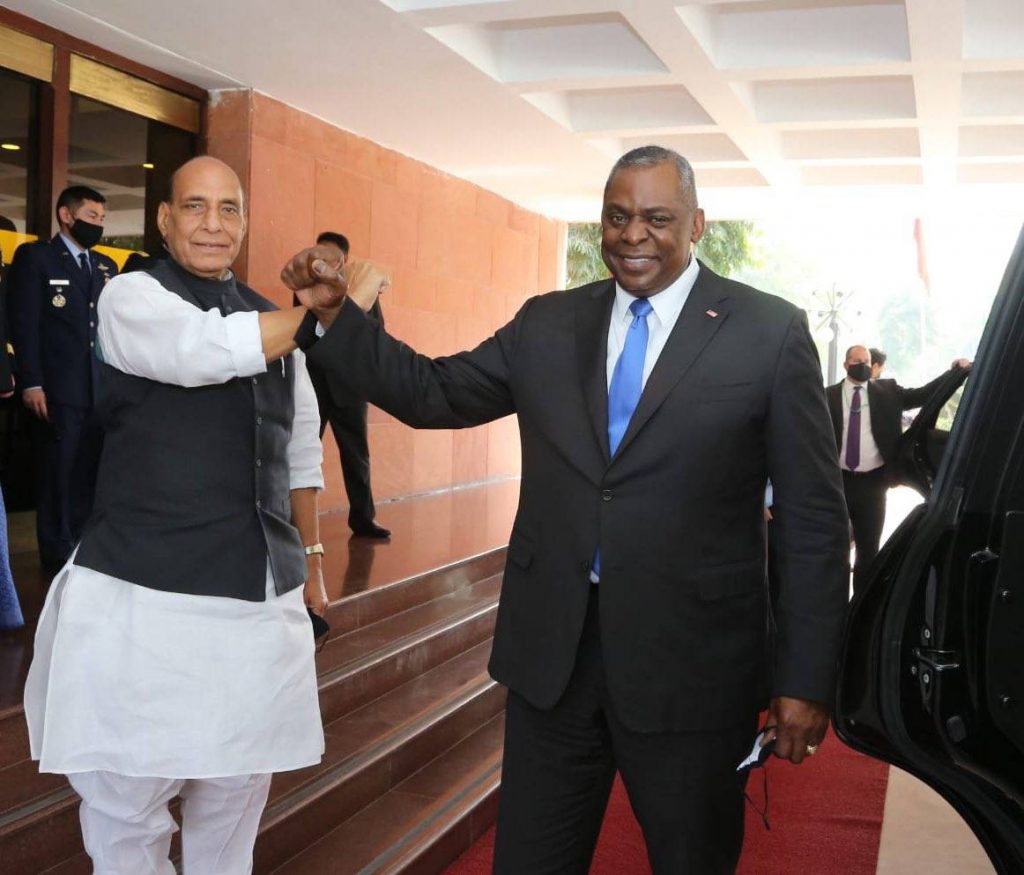
NATO Plus countries enjoy better access to America’s vaunted defence industry and technology.
This is the first report from the select committee which was formed in January by House Speaker Kevin McCarthy, a Republican, to guide congress on competing with and countering China.
The committee has bipartisan support from both parties and the attention of the White House, which has had a testy relationship with Beijing so far, starting with a verbal free-for-all between their top foreign policy and national security officials at a meeting in Alaska in 2021, to recent tensions over a spy balloon that floated over the American mainland for days before US fighter jets shot it down over the Atlantic Ocean.
“Winning the strategic competition with the Chinese Communist Party and ensuring the security of Taiwan demands the US strengthen ties to our allies and security partners, including India,” said Raja Krishnamoorthi, the highest ranking Democrat on the committee.
“Including India in NATO Plus security arrangements would build upon the US and India’s close partnership to strengthen global security and deter the aggression of the CCP across the Indo-Pacific region.”
NATO Plus status for India has been bandied about for years now, but without fruition. It made it quite far in one instance and cleared the House of Representatives as part of the National Defense Authorization Act, which is the Defence Department’s budget, but came up short.
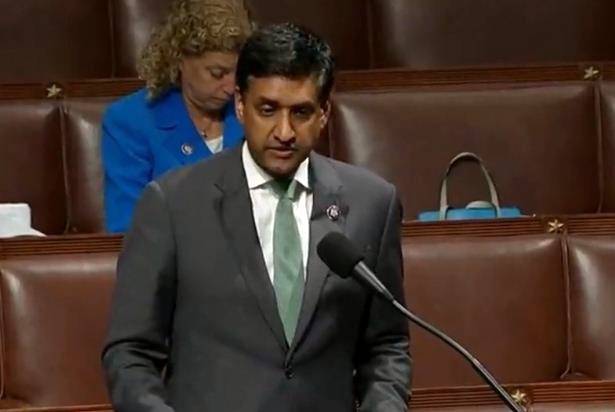
Ro Khanna, a Democratic member of the House, had introduced legislation to add India to the group some years ago.
A move is underway this time to include it in the National Defense Authorization Act for 2024, as part of the main legislation and not as an amendment, which are seemingly easier to jettison during passage. And, most importantly, efforts are afoot to win over Senator Bob Menendez, chairman of the powerful foreign relations committee, who is said to be the only man standing in the way of India becoming a NATO Plus country.
He is a Russia hawk and wrote the legislation that is now known as the Countering America’s Adversaries Through Sanctions Act (CAATSA), which calls for sanctioning countries that make significant arms purchases from Russia. He is upset with India because of its purchase of Russian S-400 air defence systems.
The China select committee’s recommendations are in the nature of policy guidance for the US congress and reflects growing American desire to loop India into a larger plan to to prepare for a confrontation with China, which many US military experts have said is inevitable and most likely over Taiwan.
General Mike Minihan, a top US general, wrote in an internal memo earlier this year: “I hope I am wrong. My gut tells me we will fight in 2025.” And President Joe Biden has now repeatedly said that he will send forces to defend Taiwan if it is attacked by China.
“Economic sanctions will be most effective if key allies such as G7, NATO, NATO+5, and Quad members join, and negotiating a joint response and broadcasting this message publicly has the added benefit of enhancing deterrence,” the report said, seeking to further draw India into US plans for a confrontation with China.
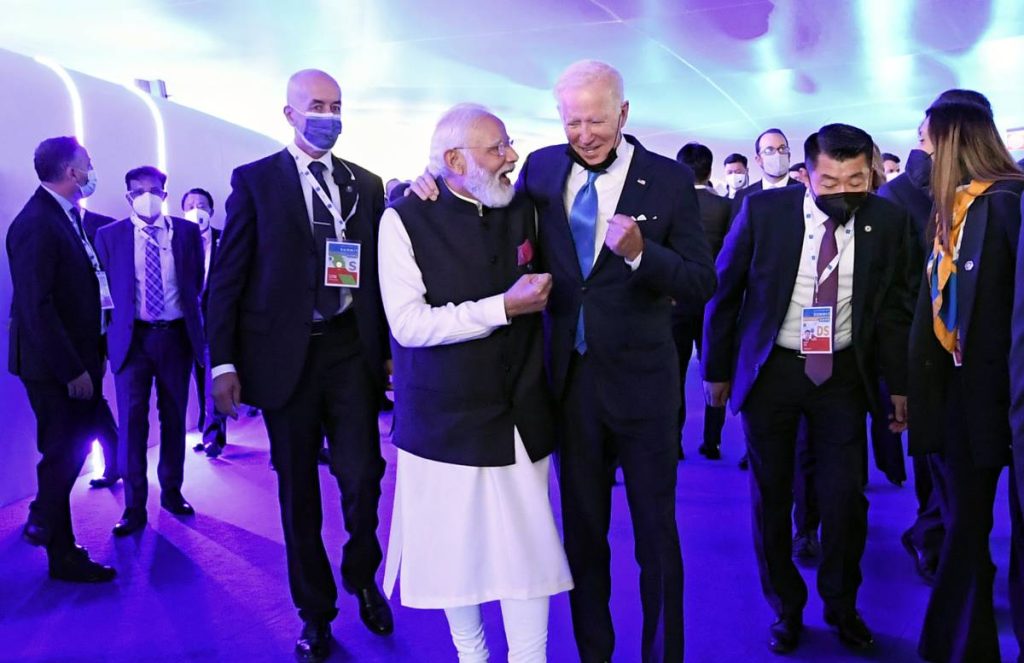
The Quad — Quadrilateral Security Dialogues — has an avowed goal of keeping the Indo-Pacific “free and open” for all, as a bulwark against Chinese aggression. It has gained strength in recent years and though it has not gone as far yet as to coordinate economic sanctions against China, they have been moving in that direction such as their decision to block the Chinese IT giant Huawei by all four Quad member countries.
The other recommendations of the select committee include basing more longer-range missiles and unmanned vehicles in the Indo-Pacific, the US should strengthen collective planning (NATO+ for India is a part of this category), improving combined training of US and Taiwanese militaries, supplying key military systems to Taiwan, preparing key US infrastructure from Chinese cyberattacks, prepare Taiwan for similar contingencies, develop plans for US forces to operate in integrated manner with Taiwan, strengthen US bases in the Indo-Pacific; and, lastly, plan for a situation in which it would be difficult to resupply Taiwan during a crisis.
ALSO READ: US Joint Chiefs of Staff nominee advocates strong ties with India