For its mobile, home appliances and software division, a customer-first strategy was emphasised, with a focus on performance and quality…reports Asian Lite News
South Korean tech behemoth Samsung Electronics on Tuesday announced its strategic priorities for the new year, emphasising the strengthening of the company’s competitiveness through technological supremacy and adaptability to future changes.
In a joint New Year’s message, co-CEO and Vice Chairman Han Jong-hee and co-CEO and President Kyung Kye-hyun outlined the strategic focus on core values, including the pursuit of “super-gap technologies,” to maintain a competitive edge, reports Yonhap news agency.
“We will prioritise strengthening our fundamental competitiveness, including the core values that have guided Samsung Electronics, such as super-gap technologies,” they said.
They urged its signature chipmaking business, a leader in semiconductor technology for the past five decades, to further enhance its position by improving and widening the technological cap with its competitors.
For its mobile, home appliances and software division, a customer-first strategy was emphasised, with a focus on performance and quality.
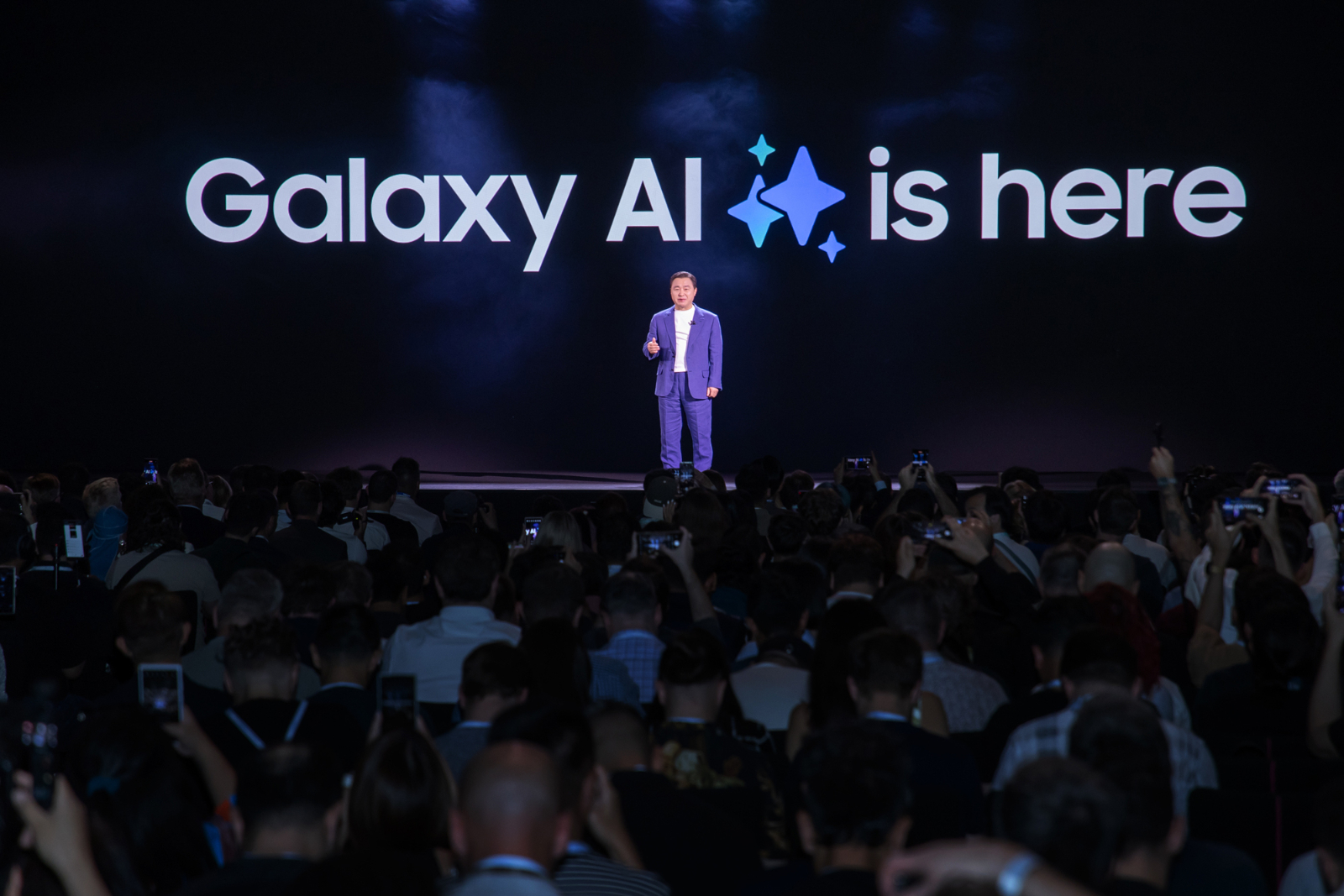
The two leaders also called for proactive measures to address future changes, such as artificial intelligence (AI), eco-friendly practices and lifestyle innovation, calling for a need for a fundamental shift in thinking and the application of generative AI to work processes.
“We should revolutionise the way we work and our device experience by applying generative AI to work,” said the message. “Moving from the passive green response of the past, we should pull off a fundamental shift in thinking and discover the green products of the future.”
Samsung Electronics posted a cumulative 191.2 trillion won ($147.2 billion) in sales for the three quarters of 2023, down 17.5 per cent from a year ago.
Its operating profit tumbled 90.4 percent on-year to 3.74 trillion won over the cited period due largely to waning semiconductor demand. Its chip division reported its first financial loss in 14 years in the first quarter.
As the world’s largest memory chip maker and smartphone provider, Samsung Electronics is expected to release its fourth-quarter earnings report later this month.
ALSO READ: LuLu Exchange Opens 100th Centre in Dubai’s Al Warqa