India’s retail ecosystem is undergoing a pivotal shift as consumers seek a balance between the convenience of digital platforms and the quality assurance offered by traditional stores….reports Asian Lite News
Quick commerce is the favoured mode to buy daily essentials for Indians, with 85 per cent of respondents choosing it for food and grocery purchases, a survey showed on Thursday.
For high-value purchases, however, physical stores remain the top choice, with more than 50 per cent of respondents preferring in-store shopping for high-value premium products, according to Grant Thornton Bharat’s ‘Beyond the Basket: Understanding Consumer Preferences within Omni-Channel Setups’ survey report.
Meanwhile, clothing and accessories lead in e-commerce platforms, capturing 75 per cent of volume sales.
India’s retail ecosystem is undergoing a pivotal shift as consumers seek a balance between the convenience of digital platforms and the quality assurance offered by traditional stores.
“The report highlights that while quick-commerce has gained popularity for everyday essentials with over 30 per cent of consumers opting for it, high-value purchases still predominantly occur offline, since consumers still prefer brick-and-mortar stores for high-value items,” said Naveen Malpani, partner and consumer industry leader at Grant Thornton Bharat.
Despite their enduring appeal for high-value purchases, traditional stores face significant challenges.
Nearly 38 per cent respondents cite limited product range as a major drawback, while 37 per cent point to higher prices as a key deterrent.
In response, retailers are increasingly adopting hybrid models, merging the reliability of physical stores with the convenience of digital platforms.
Further, regulatory advancements, such as the Data Protection Act 2023, are likely to ensure a secure and transparent environment for digital transactions, making the hybrid approach a sustainable pathway for growth in India’s evolving retail landscape, the report mentioned.
The rapid rise of quick commerce presents opportunities but also brings operational challenges that impact scalability and profitability.
High operational expenses related to warehousing and expedited delivery continue to strain the business model, with delivery costs accounting for up to 70 per cent of gross margins on orders averaging Rs 300–Rs 500, the report said.
“As consumer preferences evolve, businesses that can seamlessly integrate online and offline experiences will be best positioned to succeed in this rapidly transforming retail landscape,” said Malpani.
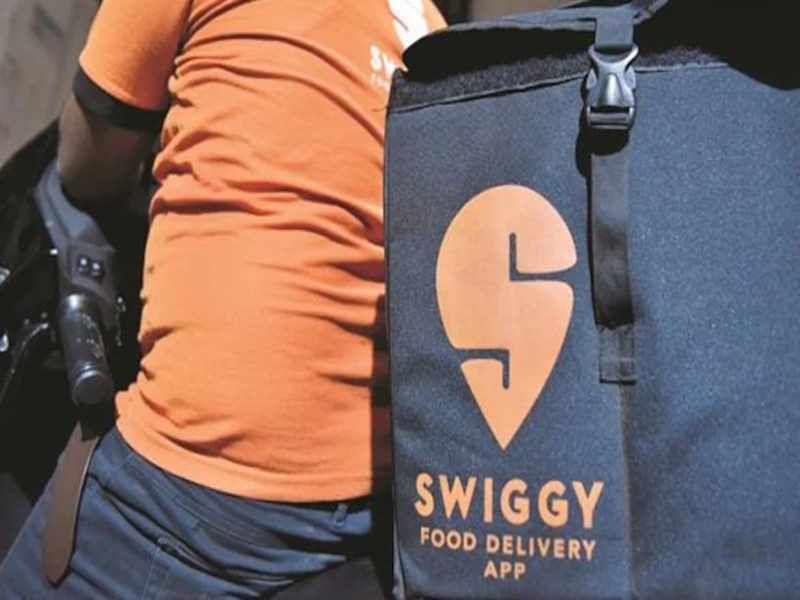
Meanwhile, despite being an innovator and a category inventor across both food delivery and quick commerce, Swiggy has let its leadership slip away, Motilal Oswal Financial Services Ltd (MOFSL) said on Tuesday, as it initiated coverage with a ‘Neutral’ rating on the stock.
In a note, the leading brokerage wrote that tight execution and better leveraging its platform can fix these issues.
Key downside risks for Swiggy are “inefficient management or being unable to scale dark stores as planned may impact quick commerce profitability and high user retention and acquisition costs”.
Further risks cited by MOFSL are Swiggy’s limited ability to expand margins in food delivery and quick commerce businesses, which could delay valuation re-rating, and intense competition in food delivery, quick commerce, and out-of-home sectors, which challenges its market position.
Swiggy’s, through its innovation DNA, has played a pivotal role in both food delivery and quick commerce, effectively inventing these categories and leading the way, according to the brokerage.
“That said, it has let its lead slip in food delivery and is currently behind its key rival Blinkit in quick commerce on both gross order value (GOV) growth and profitability. While the quick commerce race is just getting started, Swiggy’s re-rating depends on accelerating GOV growth, increasing average order values (AOVs), and improving execution in the quick commerce business,” the note further stated.
On Swiggy versus Zomato, MOFSL said that a cursory glance through the numbers indicates Zomato now has market leadership across food delivery and quick commerce, the two key battleground areas for the players.
“The war for the wallet share of the urban affluent consumer has just begun, and it is too early to call off the game. Zomato has continued to gain market share in food delivery, but based on GOV/MTU, Swiggy’s cohorts appear more mature and stickier,” said the brokerage.
In quick commerce, despite Swiggy’s Instamart inventing the category, Blinkit has taken an early lead, and Zepto continues to execute well.
“The market is nascent; however, enough avenues exist to differentiate on stock keeping units (SKUs) and strategy, making it too early to declare winners (or losers),” it added.
Swiggy’s share has slipped to its IPO level after a good public debut in a bearish market, due to profit booking on higher level.
Swiggy’s shares were listed in the stock market at a price of Rs 420 with a premium of 7.69 per cent. On Tuesday, the stock was trading at around Rs 422 apiece.
The company has shown impressive growth potential, yet persistent losses over recent fiscal years signal challenges ahead.
ALSO READ: PhonePe Tops Charts in India
ALSO READ: Kerala’s Tourism Needs You