From just two mobile phone factories in 2014, India now has become the second largest mobile phone producer in the world….reports Asian Lite News
The growth of mobile phone production in India over a decade is being described as an unmatched success story in the manufacturing sector.
While 78 per cent of all the mobile phones sold in the country in 2014 were imported, about 97 per cent of the mobile phones are now manufactured in India.
According to the industry body, India Cellular & Electronics Association (ICEA), mobile phone production, in value terms has surged from Rs 18,900 crore in 2014-15 to an estimated Rs 4.10 lakh crore in FY24, registering over 20 fold increase.
Cumulatively, over 245 crore mobile phone sets have been produced in India during the last 10 years.
In 2014-15, mobile phone exports from India were a mere Rs 1,556 crore.
The industry expects to end FY24 with an estimated export of Rs 1,20,000 crore. Driven by this export growth, mobile phones have now become India’s fifth largest export as an individual commodity.

This exponential growth in production, exports and self-sufficiency stems from a conducive policy environment, and a close working relationship between industry and key government Ministries such as the Ministry of Electronics & IT, DPIIT, Ministry of Commerce, Ministry of Finance, NITI Aayog and the PMO, the experts said.
In May 2017, the government announced the Phased Manufacturing Programme (PMP) initiative to promote the domestic production of mobile handsets. It helped in building a robust indigenous mobile manufacturing ecosystem in the country and incentivised large-scale manufacturing.
From just two mobile phone factories in 2014, India now has become the second largest mobile phone producer in the world.
According to experts, the Production Linked Incentive (PLI) scheme for Large-Scale Electronics Manufacturing (LSEM) and for IT hardware is advancing towards making India a competitive destination for electronics manufacturing.
The PLI scheme offers incentives ranging from 3 per cent to 5 per cent of the incremental sales value for a stipulated period to eligible players.
The PLI scheme has attracted leading global contract manufacturers, including Foxconn, Pegatron, Rising Star and Wistron, to set up a production base in India.
Samsung on the other hand, operates the world’s largest mobile phone factory in Noida.
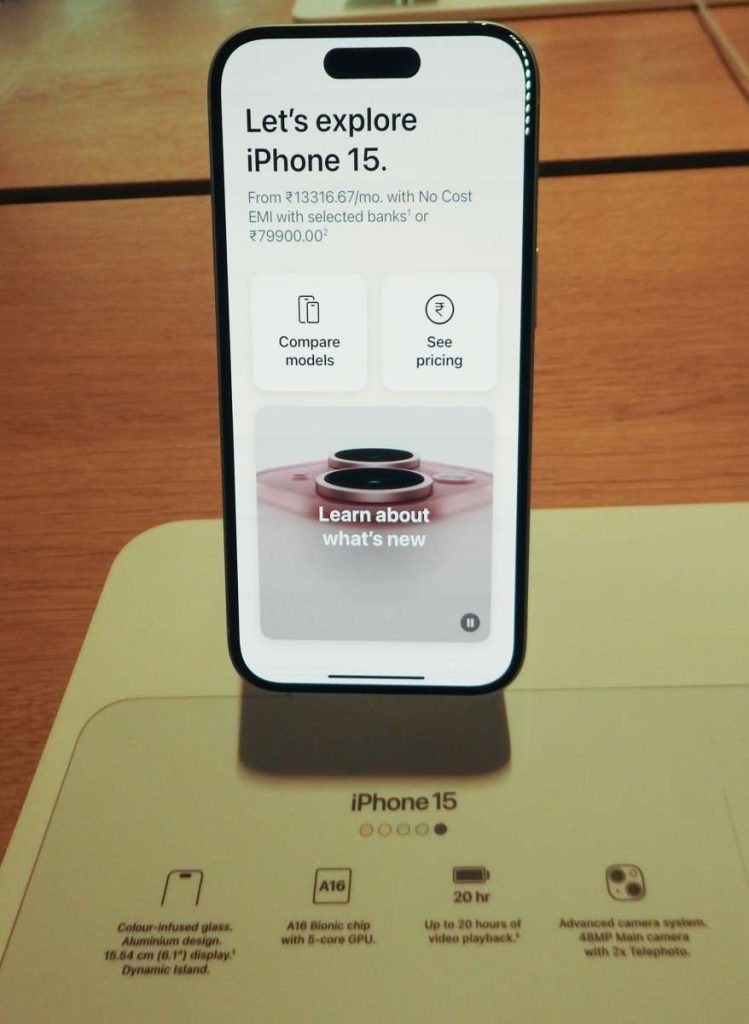
In the field of smartphones, Apple and Samsung, have played a crucial role in boosting mobile phone exports from the country. India-manufactured devices are being exported in large volumes to the UK, Netherlands, Austria, and Italy, besides Middle East, North Africa and South American markets.
With a large domestic market and a growing export market, the outlook for mobile phone and electronics manufacturing in India remains upbeat, the experts mentioned.
ALSO READ: India’s Global Economic Ascendancy