The Forced Labor Regulation, approved on Tuesday, marks the final step in a decision-making process that began four years ago….reports Asian Lite News
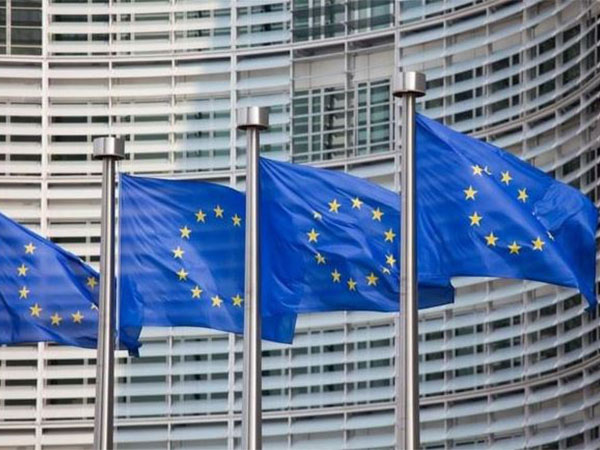
The European Union approved new regulations banning the sale of products made with forced labour, a move that activists hope will help combat the exploitation of Uyghurs in Xinjiang, as well as forced labour in North Korea and other nations.
According to the Radio Free Asia report, the Forced Labor Regulation, approved on Tuesday, marks the final step in a decision-making process that began four years ago. According to the EU, around 27.6 million people are subjected to forced labour worldwide, with most of it occurring in private industries, though some is also enforced by government authorities.
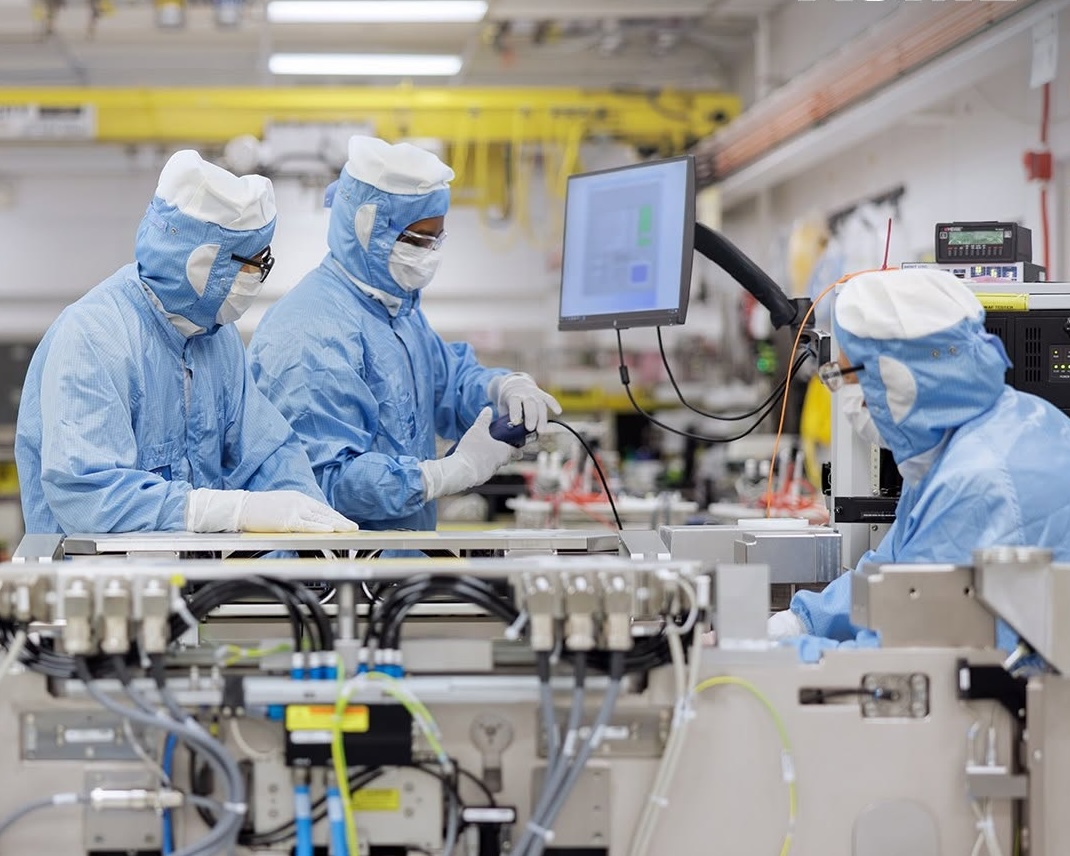
The new regulation mandates that all EU member states prohibit the sale of products or components in the EU that are made, in whole or in part, with forced labour. The EU aims to eliminate incentives for companies to profit from forced labour in their supply chains.
However, the effective enforcement of this regulation will require EU countries to enhance their capacity to investigate and prevent the sale of forced-labour-made products, as noted by Human Rights Watch.
The regulation was first brought up in 2020 when the EU was on the verge of signing an investment deal with China, according to Helene de Rengerve, a senior corporate accountability advocate at Human Rights Watch.
According to Radio Free Asia, she explained that the European Parliament made it clear that it would not approve the agreement unless the EU took action on forced labour in the Uyghur region.
As a result, Ursula von der Leyen, President of the European Commission, called in 2022 for the creation of a dedicated tool to address forced labour. However, de Rengerve noted that the regulation’s implementation will not start until 2028.
Maya Wang, the associate China director at Human Rights Watch, stated that while the approval of the regulation this week was anticipated, it still represents a significant victory for human rights activists. She explained that, although the regulation is not targeted at specific countries, it largely addresses forced labour in the Uyghur region.
Wang noted that the EU’s regulation is “unfortunately” weaker than the US version. However, she suggested that activists can now shift their focus to encouraging the United Kingdom and Australia to adopt similar measures. In 2021, US President Joe Biden signed the Uyghur Forced Labor Prevention Act, which allows sanctions against foreign individuals and entities responsible for human rights violations.
The US law also prohibits the import of goods from Xinjiang unless there is “clear and convincing evidence” proving they were not produced using forced labour. According to de Rengerve, under the Uyghur Forced Labor Prevention Act (UFLPA), there is a presumption that forced labour is involved, meaning it is not up to authorities to prove that forced labour is occurring in the Uyghur region.
“It’s actually the companies that have to demonstrate that they are not linked in any way to the Uyghur region,” she said.
In contrast, Wang noted that the EU regulation does not assume that all products from Xinjiang are made with forced labour.
“Nonetheless, it’s a big step,” Wang said. “The priority is to acknowledge that certain regions are at the highest risk of forced labour. Without this acknowledgement, it becomes very difficult to monitor or enforce the regulations.”
China has strongly rejected criticism of its treatment of Uyghurs, labelling it as foreign interference in its internal matters. However, Beijing has faced numerous international condemnations in recent years for its policies towards the 12 million Uyghurs, as well as smaller groups of ethnic Kazakhs, Kyrgyz, and other Turkic-speaking Muslims. (ANI)
ALSO READ: Pakistan’s first direct cargo ship docks in Bangladesh since 1971