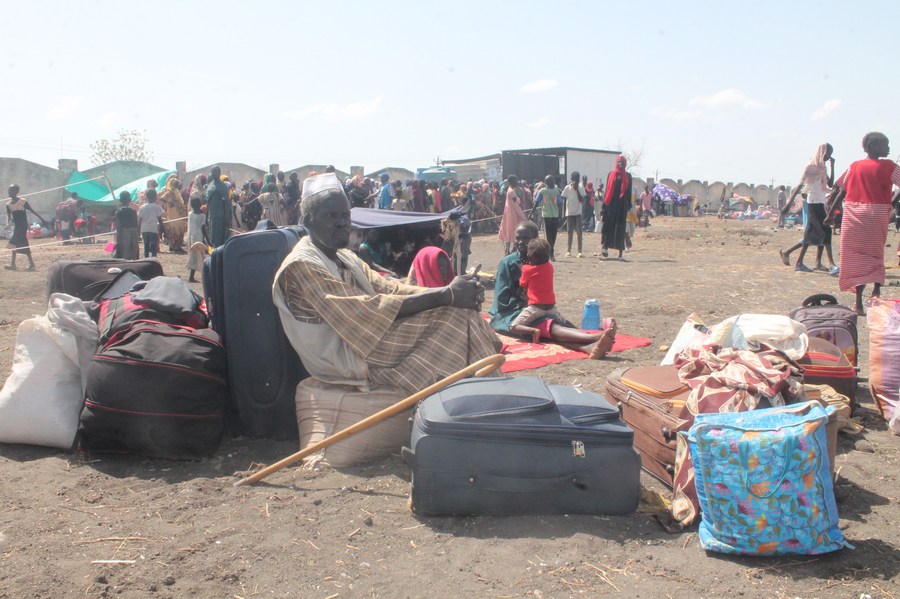
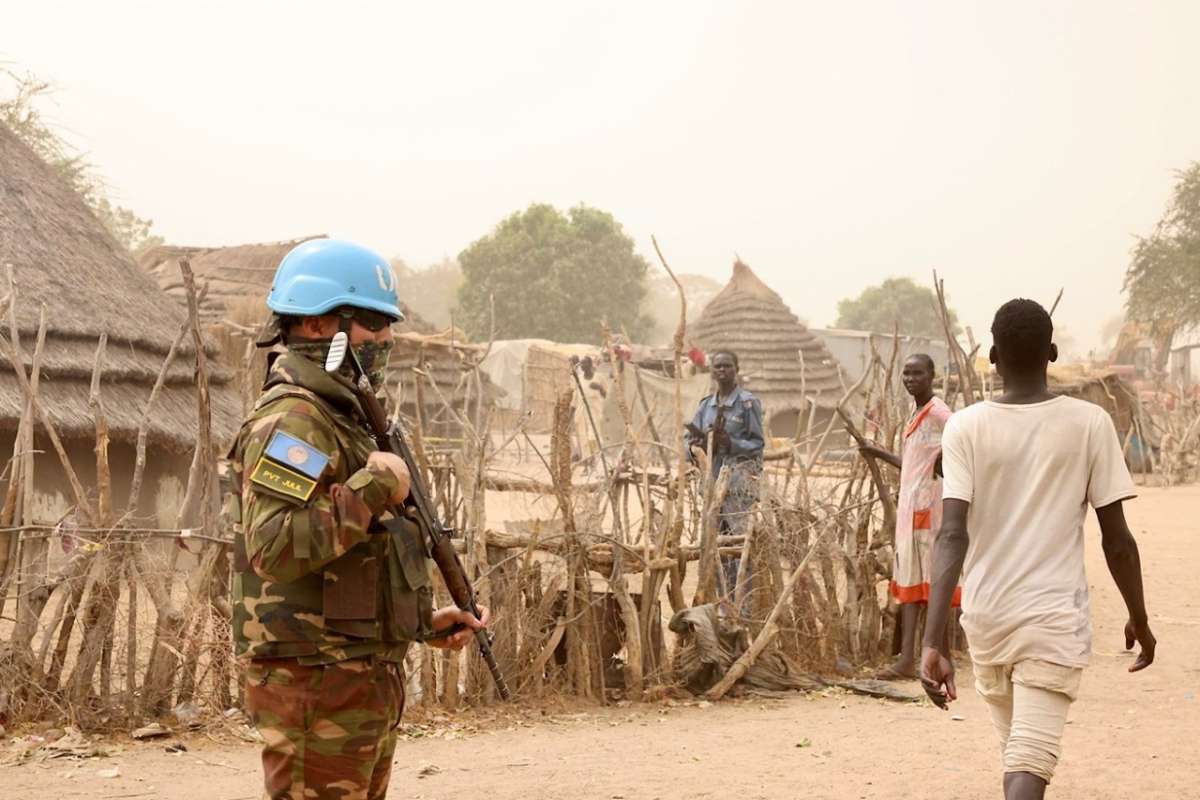
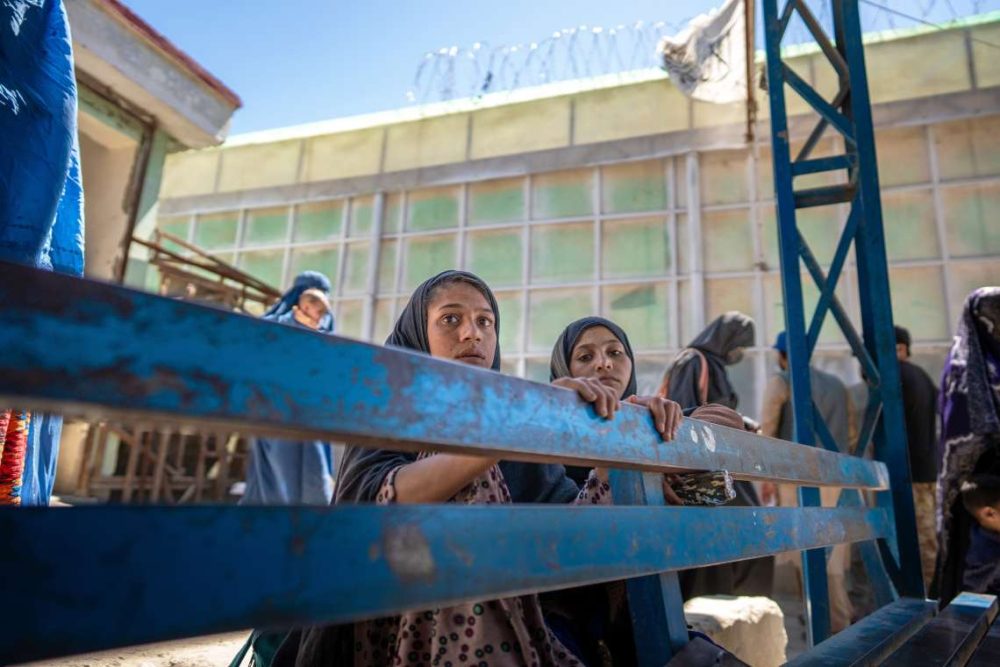
The U.N. and the U.S. lifted the pause in December after introducing reforms to curb theft, but Tigray authorities say food is not reaching those who need it…reports Asian Lite News
Nearly 400 people have died of starvation in Ethiopia’s Tigray and Amhara regions in recent months, the national ombudsman said Tuesday, a rare admission of hunger-related deaths by a federal body.
Local officials have previously reported starvation deaths in their districts, but Ethiopia’s federal government has insisted these reports are “completely wrong”.
Ethiopia’s ombudsman office sent experts to the regions, which are gripped by drought and still reeling from a devastating civil war that officially ended 14 months ago. They concluded that 351 people have died of hunger in Tigray in the past six months, with 44 more deaths in Amhara.
Only a small fraction of needy people in Tigray are receiving food aid, according to an aid memo seen by The Associated Press, more than one month after aid agencies resumed deliveries of grain following a lengthy pause over theft.
Just 14% of 3.2 million people targeted for food aid by humanitarian agencies in Tigray this month had received it by Jan. 21, according to the memo by the Tigray Food Cluster, a group of aid agencies co-chaired by the U.N.’s World Food Program and Ethiopian officials.
The memo urges humanitarian groups to “immediately scale up” their operations, warning that “failure to take swift action now will result in severe food insecurity and malnutrition during the lean season, with possible loss of the most vulnerable children and women in the region.”
The U.N. and the U.S. paused food aid to Tigray in mid-March last year after discovering a “large-scale” scheme to steal humanitarian grain. The suspension was rolled out to the rest of Ethiopia in June. U.S. officials believe the theft may be the biggest diversion of grain ever. Donors have blamed Ethiopian government officials and the military for the fraud.
The U.N. and the U.S. lifted the pause in December after introducing reforms to curb theft, but Tigray authorities say food is not reaching those who need it.
Two aid workers said that the new system — which includes fitting GPS trackers to food trucks and putting QR codes on ration cards — has been hampered by technical issues. Aid agencies are also struggling with a lack of funds.
A third aid worker said the food aid pause and the slow resumption meant some people in Tigray have not received food aid for over a year. “They went through multiple rounds of registration and verification, but no actual distributions yet,” the aid worker said.
The aid workers said on the condition of anonymity because they were not authorized to speak to the press. Around 20.1 million people across Ethiopia need humanitarian food due to drought, conflict and a tanking economy. The aid pause pushed up hunger levels even further.
The U.S.-funded Famine Early Warning System has warned that crisis levels of hunger or worse “are expected in northern, southern and southeastern Ethiopia throughout at least early 2024.” A former head of the WFP has described these levels of hunger as “marching towards starvation.”
In Amhara, which shares a border with Tigray, a rebellion that erupted in August is impeding humanitarians’ movements and making distributions difficult, while several regions of Ethiopia have been devastated by a multi-year drought.
Malnutrition rates among children in parts of Ethiopia’s Afar, Amhara and Oromia regions range between 15.9% and 47%, according to a presentation by the Ethiopia Nutrition Cluster. Among displaced children in Tigray, the rate is 26.5%. The Ethiopia Nutrition Cluster is co-chaired by the U.N. Children’s Fund and the federal government.
Tigray, home to 5.5 million people, was the center of a devastating two-year civil war that killed hundreds of thousands and spilled into the neighboring regions. A U.N. panel accused Ethiopia’s government of using “starvation as a method of warfare” by restricting food aid to Tigray during the conflict, which ended in November 2022 with a peace deal.
Persistent insecurity meant only 49% of Tigray’s farmland was planted during the main planting season last year, according to an assessment by U.N. agencies, NGOs and the regional authorities.
Crop production in these areas was only 37% of the expected total because of drought. In some areas the proportion was as low as 2%.
The poor harvest prompted Tigray’s authorities to warn of an “unfolding famine” that could match the disaster of 1984-5, which killed hundreds of thousands of people across northern Ethiopia, unless the aid response is immediately scaled up.
ALSO READ-UAE, Ethiopia trade exceeds $6bn