Pakistan’s senior officials emphasized that simply seeking loans from international organizations is insufficient; instead, Pakistan must devise a strategy to repay the debts incurred through CPEC extensions…reports Asian Lite News
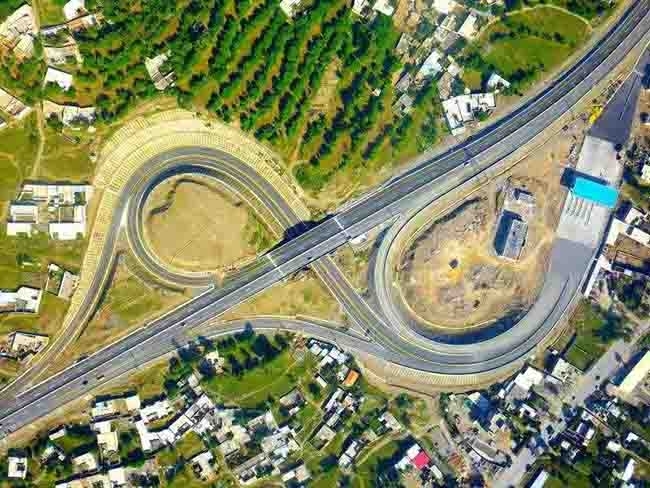
Pakistan’s struggling economy and current monetary policies have left the nation unable to repay loans and fulfill commitments related to Independent Power Producer (IPP) projects initiated under the China-Pakistan Economic Corridor (CPEC).
The administration has always turned a blind eye towards the matter, stated Kamran Khan the President and Editor-in-Chief for the Dunya Media Group, a prominent news organization in Pakistan.
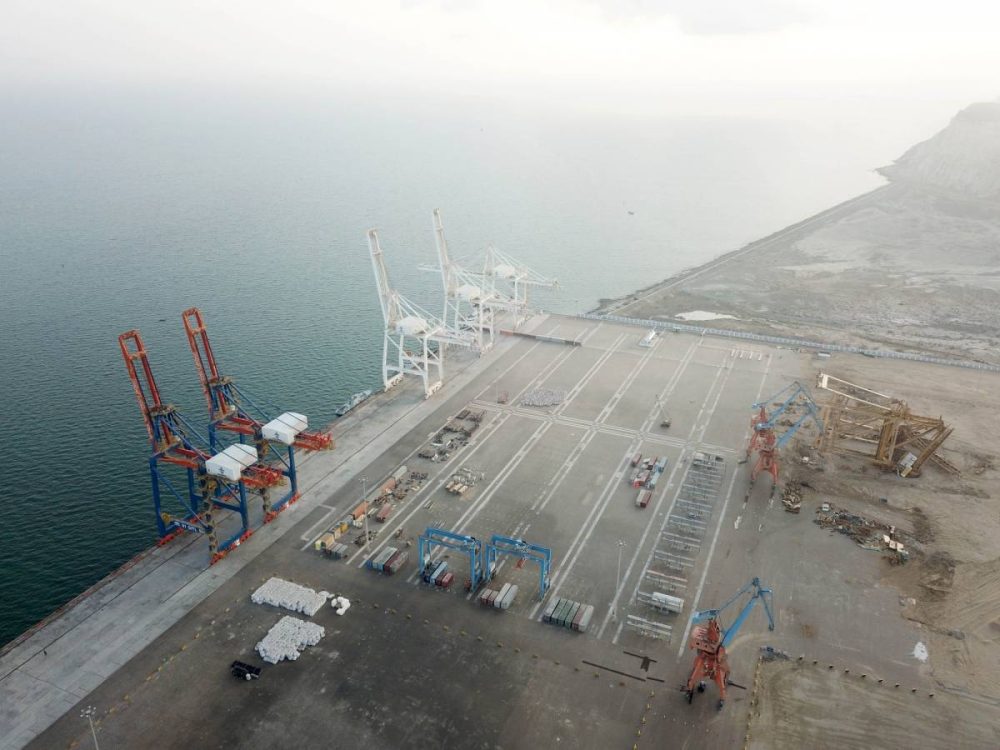
In a debate session with Khalid Mansoor the Former Special Assistant to the Prime Minister of Pakistan on CPEC and Shabbar Zaidi the Former Chairman, the Federal Board of Revenue (FBR) mentioned Pakistan is now locked in a CPEC debt trap, and only China has the key to set us free. Today, Pakistan’s IPPs under the CPEC offer a classic example of a debt trap. According to his statement during the Dunya news debate, “The creditor country extends excessive credit to a debtor country with the intention of extracting economic or political concessions when the debtor country becomes unable to meet its repayment obligations. The conditions of the loans are often not publicized. The borrowed money commonly pays for contractors and materials sourced from the creditor country.”
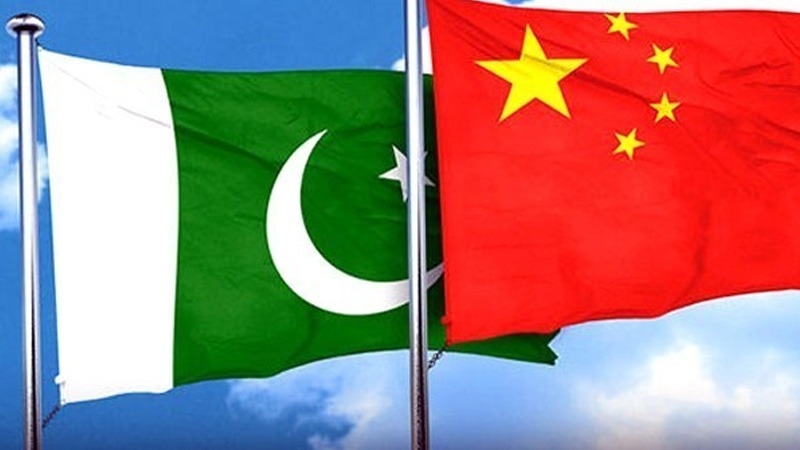
His statement also mentioned that “Highly over-invoiced, non-competitive CPEC power projects, with a promised minimum of 17 per cent dollarized profits, have delivered the world’s most expensive electricity to Pakistani people and industries. Capacity payments and 3.5 per cent plus London Interbank Offer Rate loan terms have turned Pakistan’s debt burden into a full-fledged national security crisis. And now classic outcome of an intelligently laid debt trap: Pakistan just can’t pay the financial charges and now China has a critical say in our economic destiny.”
He said that merely asking for a loan from international bodies is not enough, Pakistan needs to find a way by which Pakistan can pay back the debt extended by CPEC.
In the debate, he questioned Mansoor, “Why did we not enquire that the loans that we are getting from China are on the market price and not over invoiced, and was Pakistan capable of paying the questioned loans back when they were offered?”
Answering the same, Mansoor said “We did not make any adequate policies for China separately, as making policies is the job of the government. We were supposed to get investment to set up industries, if these industries had been set up it could have enabled us to pay back the loan. But all this did not happen”
Taking the same issue even further, Shabbar Zaidi the Former Chairman of FBR said “Since day one I have been the person who has raised questions over the financial viability of CPEC. I have been the one person in Pakistan who has always said that the proposed Special Economic Zones cannot be developed and the strategy behind CPEC is wrong, and our country will not be able to return loans at 17 per cent return. And I always have shown my confidence the transfer pricing designed by Pakistan is wrong”.
Zaidi also added, “Tell me a single CPEC plant that has maintained proper operations in Pakistan and we have verified the entity’s supply”. He also added that the loans and projects offered under the CPEC are not a Foreign Direct Investment (FDI) but a bond that has to be paid back to China which Pakistan in its current economic conditions cannot fulfil in any way. (ANI)
ALSO READ: China hits back at NATO
ALSO READ: Laos may fall victim to China’s debt trap diplomacy