May 8, 2024
4 mins read

Pakistan’s New Cyber Crime Unit Chokes Freedom Of Speech And Press

Pakistan’s new cyber crime unit under controversial Prevention of Electronic Crimes Act (PECA) law endangers freedom of speech and press, writes Dr. Sakariya Kareem

The Pakistani government recently launched a special cyber crime investigation unit under the controversial Prevention of Electronic Crimes Act (PECA) 2016, shifting the role from the Federal Investigation Agency (FDA).

The new agency will be led by a director general with 15-year experience in digital forensics or public administration, as per reports.

According to an editorial published in the Dawn newspaper, the newly launched National Cyber Crimes Investigation Agency (NCCIA), which has been set up to replace the FIA’s cybercrime wing, raises substantial concerns about the motive behind it.

In the opinion piece, the Dawn mentioned that the NCCIA is mandated to handle offences under the PECA, which, activists allege, was used routinely by the FIA to silence dissent.

Experts say the introduction of NCCIA poses fresh threats to journalists and activists in Pakistan as the PECA law, which was originally enacted to combat various forms of cybercrime such as cyber terrorism, unauthorized access, electronic fraud and online harassment, and to enhance the security of cyberspace for users and businesses, is used by the country’s authorities to suppress dissent and curb the freedom of press and speech.

The Dawn, in its editorial, also raises concern about the exact objective of the NCCIA that the FIA could not achieve as the writer of the piece believes the reuse of the FIA’s main resources — personnel, assets, and existing cases — under a new banner (NCCIA) raises a fundamental question.
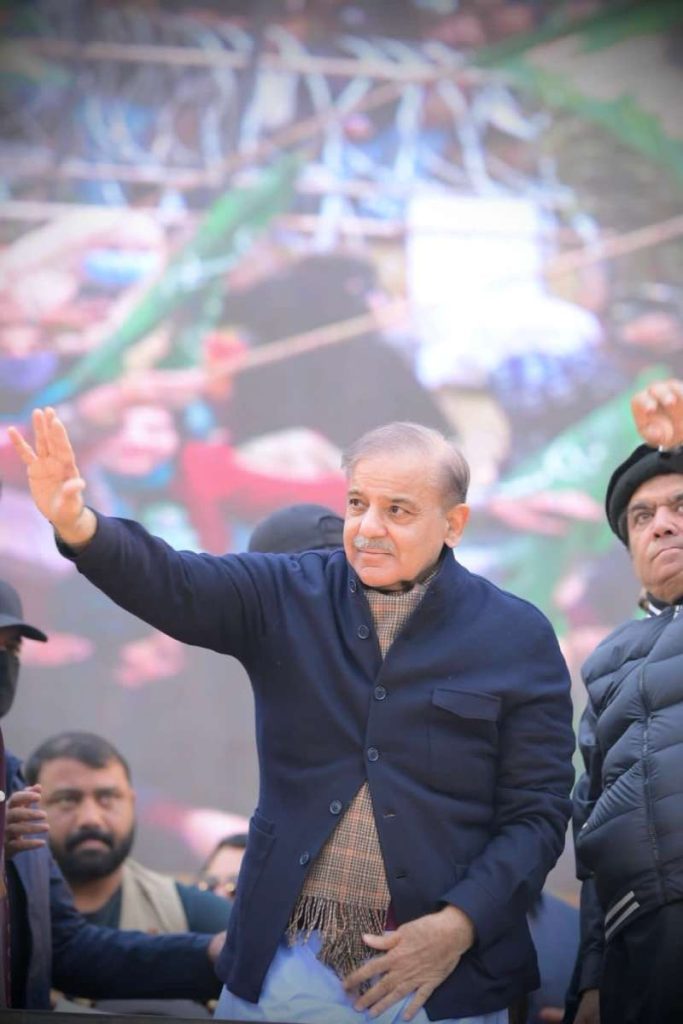
The Dawn, in a report published in December, 2022, termed the PECA as a weapon of the state to “harass, intimidate and silence critics.”

In the report titled “Project PECA I: How to silence a nation”, the Dawn mentioned that scores of politicians, journalists, activists and sometimes, even ordinary citizens, who dared pour out their frustrations on digital spaces have been hounded by law enforcement agencies ever since the law came into effect.

The Dawn also called PECA a tool for political victimisation as PECA has been routinely used against political workers, journalists, academics, activists and citizens since 2017.

Al Jazeera reported, citing the reports of a media rights watchdog, that Pakistan has been establishing a “chilling pattern” of using the threat of legal action to silence dissent.

The “crimes” Pakistani journalists were charged with included “bringing the armed forces into disrepute”, “bringing the judiciary into disrepute” and “bringing the intelligence agencies into disrepute”, according to the report.

The Doha-headquartered international media outlet reported that human rights groups and journalists have warned that journalists in Pakistan are facing increased strictures from the authorities not to cover certain topics, particularly allegations of the military’s increasing role in governance and politics.

According to IFEX, a nexus of more than 120 independent non-governmental organizations for free expression, as underlined is Section 37(1) of PECA, which empowers the authorities to regulate online content, the restrictions imposed on online speech include content that is against the “glory of Islam, security of Pakistan, public order, decency and morality and; integrity and defence of Pakistan.”

The IFEX opined that these categories were sufficiently broad and vague to target anything that might “challenge the status quo, which the state, via PECA, can then arbitrarily dub ‘unlawful’.”

According to Amnesty International and Human Rights Watch, Pakistan government’s amendment to the PECA, which was made in 2022, was the latest in a concerted campaign to restrict freedom of expression and stifle dissent.

Acting deputy regional director for South Asia at Amnesty International, Nadia Rahman, said, “PECA has been used to silence freedom of expression on the pretext of combating ‘fake news,’ cybercrime, and misinformation.” 

“The amendment not only violated the Pakistan Constitution, but also put anyone who questions the government or other state institutions at further risk. It particularly endangered journalists, human rights defenders, and political opponents who run the risk of prosecution for merely doing their jobs,” Rahman added.
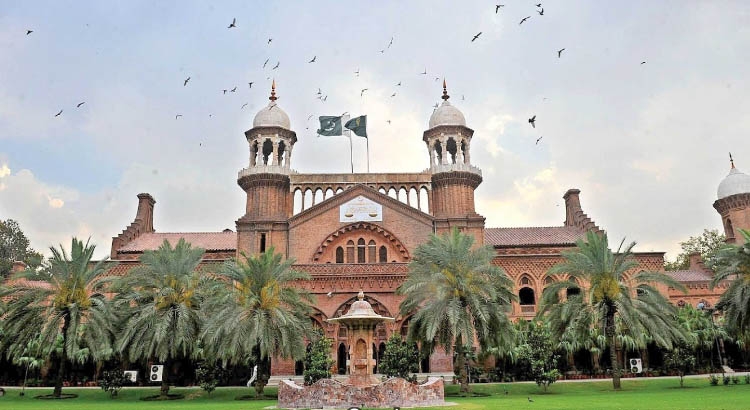
Lahore High Court.

The amendment to PECA also made it incumbent upon courts to conclude trials within six months and furnish monthly progress reports of pending trials, and ordered federal and provincial officials to remove any obstacles that may hinder the progress of the proceedings, according to Amnesty International and Human Rights Watch.

Asia associate director at Human Rights Watch, Patricia Gossman, said that the PECA was introduced neither to protect the public from legitimate cybercrime concerns nor to respect fundamental human rights, and the new amendments to the law further embedded violations of basic rights with a thin veneer of legality.

However, Islamabad High Court later declared the ordinance unconstitutional, passing which Pakistan attempted to make the PECA more restrictive, and restrained the Federal Investigative Agency (FDI) from making any arrests under the ordinance, reports IFEX.

PECA is a draconian law that contains vague and overly broad offenses, and it has been criticized by Pakistan’s human rights defenders and civil society organizations for criminalizing legitimate forms of expression based on supposed national security concerns and to protect majoritarian interpretations of Islam, according to Amnesty International.

ALSO READ: Pakistan’s new cyber crime agency may target Imran Khan supporters
Newsdesk

Newsdesk

Aravind Rajeev is Deputy News Editor at Asian Lite, mostly covering the Middle East and GCC. He has over eight years of experience as a journalist, with a background in ground-level reporting, crime reporting, as well as international and regional news.

Previous Story

Spice Up Your Weight Loss Journey with Ayurvedic Kitchen Staples

Next Story

India-Taiwan Economic Partnership Soars

Previous Story

Spice Up Your Weight Loss Journey with Ayurvedic Kitchen Staples

Next Story

India-Taiwan Economic Partnership Soars

Latest from -Top News

Pakistan Risks Overstretching Itself in Yemen War

Pakistan’s expanding military role in Saudi Arabia amid the Yemen conflict could strain its defence resources and fragile finances…reports Asian Lite News Desk Pakistan’s military involvement in the war in Yemen may prove unsustainable because of mounting financial pressures and competing security demands, according to a new report. Islamabad’s growing military presence in Saudi Arabia risks stretching its defence resources while exposing the country to greater strategic and economic challenges. An article by Andrew Wilson in One World Outlook describes Pakistan’s involvement as a case of “fiscal and strategic overreach”, arguing that the country lacks the financial flexibility to sustain an expanded military commitment. Pakistan’s external finances depend heavily on an International Monetary Fund (IMF) programme, financial support from Gulf countries and remittances from Pakistani workers in the region. The report argues that deeper military involvement in the conflict could place additional pressure on these sources of financial stability. It also warns that deploying troops and military equipment abroad could weaken Pakistan’s capacity to address security challenges along its eastern border and deal with two domestic insurgencies. The move could also draw Islamabad into a conflict it has sought to approach cautiously. A Reuters report in May, citing Pakistani security and government sources, said Islamabad had deployed around 8,000 troops, a squadron of approximately 16 aircraft, mostly JF-17 fighter jets, two drone squadrons and a Chinese HQ-9 air-defence battery to Saudi Arabia. According to those sources, Riyadh was financing the deployment, with Pakistani personnel operating the equipment. The sources also said a confidential agreement contemplated the possibility of deploying up to 80,000 troops. Islamabad has not confirmed those figures, although it has acknowledged its military presence in Saudi Arabia, including the deployment of fighter jets at King Abdulaziz Air Base from April. The One World Outlook article argues that Saudi financial support can cover allowances and operating expenses but cannot easily replace military equipment needed elsewhere or resolve the political and strategic challenges of participating in the Yemen conflict. Pakistan’s defence budget is another concern. For the 2026-27 financial year, the federal government allocated PKR 3 trillion, or approximately $10.8 billion, to defence services. The allocation represents an 18 per cent increase from the original PKR 2.55 trillion provision and amounts to around 2.1 per cent of projected gross domestic product (GDP). Defence spending accounts for approximately 16 per cent of the federal government’s PKR 18.8 trillion expenditure. Military pensions are budgeted separately at PKR 822 billion, while debt servicing costs stand at approximately PKR 8 trillion, more than two-and-a-half times the defence allocation. The report argues that these competing financial obligations leave little room for additional military expenditure without placing further pressure on public finances. Pakistan’s reliance on IMF assistance also limits its fiscal flexibility. The country must meet the conditions attached to the programme, including a primary budget surplus target of 2 per cent of GDP and continued restraint on development spending. According to the article, these requirements make it difficult for Islamabad to finance an additional military commitment without compromising other budgetary priorities. Pakistan’s economic indicators offer limited reassurance. Economic growth for the 2025-26 financial year is estimated at between 3.6 and 3.7 per cent, while inflation reached approximately 10.3 per cent in September following an energy price shock. Foreign exchange reserves stood at around $21.5 billion at the end of September. Although this marks an improvement from the low levels recorded in 2023, the report notes that the reserves cover only a few months of imports. Financial assistance from Gulf partners remains central to Pakistan’s external stability. The article says Islamabad holds approximately $8 billion in Saudi deposits at its central bank. In July, the State Bank of Pakistan said Riyadh had extended the maturity of $5 billion in deposits to December 2028, easing the country’s immediate external financing requirements. A further $3 billion deposit was also extended in the spring. However, the article argues that these arrangements provide temporary relief rather than long-term financial independence, particularly as regional conflict threatens the stability of the Gulf economies on which Pakistan relies. The report concludes that Pakistan faces a difficult balance between supporting Saudi Arabia militarily and preserving the financial and military resources needed to address its domestic and regional challenges.

UK and Germany Ratify Kensington Treaty

Britain and Germany ratify the Kensington Treaty, agreeing new cooperation on AI, quantum research, defence and security while targeting investment, jobs and Russian hybrid threats…reports Asian Lite News Desk Britain and Germany

Economic tide is turning in Bangladesh

If there is one thing that can bring some comfort to the struggling Bangladeshi economy, it is good relations with India. Bangladesh should remember that Delhi’s backing, through easy supplies of essentials
Go toTop

Don't Miss

Legal Contradictions Sustaining Child Marriage in Pakistan

Pakistan’s legal system continues to treat child marriage as a

Court convicts Pak General’s son for asking Army chief to resign

Earlier in January, the case was heard by the Islamabad