July 14, 2024
3 mins read

UAE names street after Indian-origin doctor

To acknowledge his pioneering contributions, a road near Sheikh Shakhbout Medical City (SSMC) in the Al Mafraq area has been named George Matthew Street…reports Asian Lite News

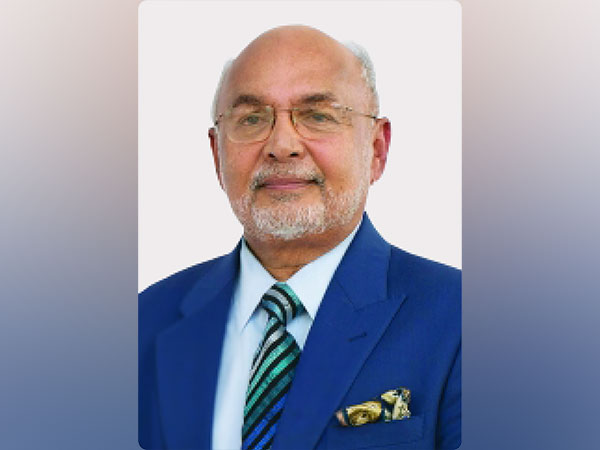
A street in Abu Dhabi has been named in honour of Dr George Matthew, a UAE citizen of Indian origin, in recognition of his remarkable contributions to the emirate’s healthcare sector over nearly 60 years, as reported by Khaleej Times.

Dr Matthew, now 84 years old, first arrived in the UAE in 1967 as a 26-year-old, long before the country’s unification. Over the past six decades, he has played a pivotal role in shaping Abu Dhabi’s healthcare system, witnessing its transformation from its early days to its current state.

Notably, he was the first doctor to work in a government hospital in Al Ain, leaving a lasting impact on the country’s medical landscape, as reported by Khaleej Times.

To acknowledge his pioneering contributions, a road near Sheikh Shakhbout Medical City (SSMC) in the Al Mafraq area has been named George Matthew Street.

This gesture is part of the ‘Honouring UAE’s Visionaries: Commemorative Streets’ project by the Department of Municipalities and Transport (DMT), which aims to show appreciation for individuals who have made significant contributions to the nation’s development.

When Dr George Matthew first arrived in the UAE in 1967, the country was still in its early stages of development. At that time, there were no roads or proper medical facilities. Despite these challenges, Dr Matthew was inspired by the vision of the late Sheikh Zayed, the founder of the nation, and dedicated himself to improving the healthcare system.

In a recent statement, Dr Matthew reflected on his journey, saying, “The infrastructure was still evolving at that time. Inspired by the late Sheikh Zayed, the father of the nation, I dedicated myself to helping the people. I am deeply grateful that my efforts have been recognised.”

Originally planning to move to the US, Dr Matthew was persuaded by a missionary friend’s description of Al Ain’s beauty. His application for a position as Al Ain’s first government doctor was successful, leading to the opening of the first clinic with Sheikh Zayed’s blessing.

Fondly known as “Matyous” by the locals, Dr Matthew has had a distinguished career in the UAE’s healthcare sector. Starting as a general practitioner, he went on to hold various prestigious positions, including Medical Director of the Al Ain region in 1972 and Consultant for the Health Authority in 2001.

Hailing from the south Indian state of Kerala, Dr. Matthew graduated from Trivandrum Medical College and moved to the UAE with his wife, Valsa, after their marriage. Their daughter, Maryam (Priya), works in the government sector.

Dr Matthew’s experiences are intertwined with the UAE’s history, from his first encounter with Sheikh Zayed to treating injuries in makeshift conditions. He recalls one unforgettable instance from 1969:

“One night, a local resident attending the Majlis in Al Ain was injured. I treated him with the materials I had in a temporary setup, and he was healed. He shared this experience with Sheikh Zayed. After checking his injury, Sheikh Zayed said: ‘He is a good doctor’, and his words gave me great inspiration.”

Dr Matthew’s career was significantly boosted by Sheikh Zayed’s support, leading him to England for specialization in the management of tropical diseases and later advanced studies in hospital management at Harvard University.

Renowned for his dedication and expertise, Dr Matthew has been an invaluable resource for the Al Ain community, providing medical guidance and playing a crucial role in training and educating healthcare workers. He also served the royal family, including the late Sheikh Tahnoon bin Mohammed Al Nahyan, the Abu Dhabi Ruler’s Representative in the Al Ain Region.

In recognition of his dedication and hard work, the UAE granted Dr Matthew and his family citizenship in 2004. He also won the Abu Dhabi Award in 2018.

Currently, he continues to work in the private health department under Presidential Affairs alongside Dr Abdul Rahim Jaafar, another leading expert in the country.

“I am ready to do whatever I can for the country and its citizens as long as I live. I pray that God will give me more time to serve,” he said.

His advice for others working in the UAE is, “Work with 100 per cent sincerity, and you will succeed.” (ANI)
ALSO READ-UAE, Bermuda to collaborate on modernisation

Previous Story

UAE, Bermuda to collaborate on modernisation

Next Story

Thank You Mr Crombie : Lessons in Guilt and Gratitude to the British

Previous Story

UAE, Bermuda to collaborate on modernisation

Next Story

Thank You Mr Crombie : Lessons in Guilt and Gratitude to the British

Latest from -Top News

Pakistan Risks Overstretching Itself in Yemen War

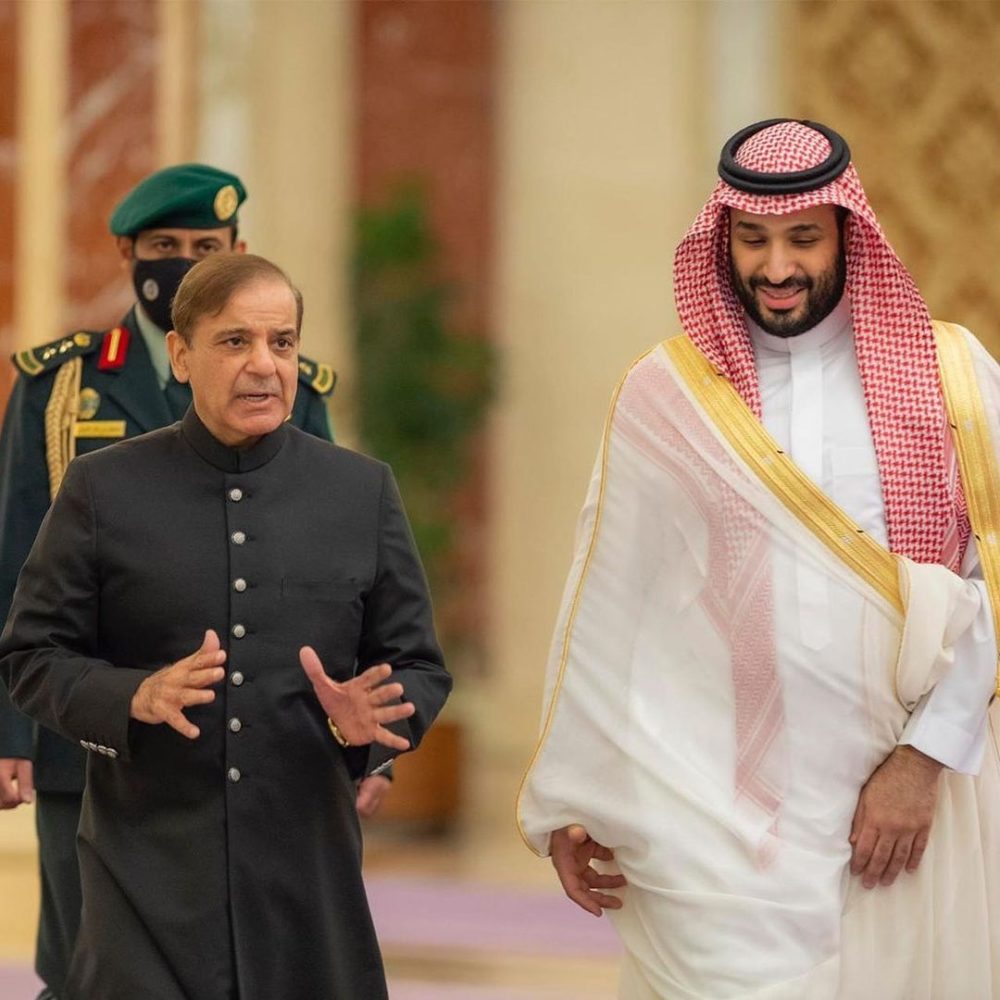
Pakistan’s expanding military role in Saudi Arabia amid the Yemen conflict could strain its defence resources and fragile finances…reports Asian Lite News Desk Pakistan’s military involvement in the war in Yemen may prove unsustainable because of mounting financial pressures and competing security demands, according to a new report. Islamabad’s growing military presence in Saudi Arabia risks stretching its defence resources while exposing the country to greater strategic and economic challenges. An article by Andrew Wilson in One World Outlook describes Pakistan’s involvement as a case of “fiscal and strategic overreach”, arguing that the country lacks the financial flexibility to sustain an expanded military commitment. Pakistan’s external finances depend heavily on an International Monetary Fund (IMF) programme, financial support from Gulf countries and remittances from Pakistani workers in the region. The report argues that deeper military involvement in the conflict could place additional pressure on these sources of financial stability. It also warns that deploying troops and military equipment abroad could weaken Pakistan’s capacity to address security challenges along its eastern border and deal with two domestic insurgencies. The move could also draw Islamabad into a conflict it has sought to approach cautiously. A Reuters report in May, citing Pakistani security and government sources, said Islamabad had deployed around 8,000 troops, a squadron of approximately 16 aircraft, mostly JF-17 fighter jets, two drone squadrons and a Chinese HQ-9 air-defence battery to Saudi Arabia. According to those sources, Riyadh was financing the deployment, with Pakistani personnel operating the equipment. The sources also said a confidential agreement contemplated the possibility of deploying up to 80,000 troops. Islamabad has not confirmed those figures, although it has acknowledged its military presence in Saudi Arabia, including the deployment of fighter jets at King Abdulaziz Air Base from April. The One World Outlook article argues that Saudi financial support can cover allowances and operating expenses but cannot easily replace military equipment needed elsewhere or resolve the political and strategic challenges of participating in the Yemen conflict. Pakistan’s defence budget is another concern. For the 2026-27 financial year, the federal government allocated PKR 3 trillion, or approximately $10.8 billion, to defence services. The allocation represents an 18 per cent increase from the original PKR 2.55 trillion provision and amounts to around 2.1 per cent of projected gross domestic product (GDP). Defence spending accounts for approximately 16 per cent of the federal government’s PKR 18.8 trillion expenditure. Military pensions are budgeted separately at PKR 822 billion, while debt servicing costs stand at approximately PKR 8 trillion, more than two-and-a-half times the defence allocation. The report argues that these competing financial obligations leave little room for additional military expenditure without placing further pressure on public finances. Pakistan’s reliance on IMF assistance also limits its fiscal flexibility. The country must meet the conditions attached to the programme, including a primary budget surplus target of 2 per cent of GDP and continued restraint on development spending. According to the article, these requirements make it difficult for Islamabad to finance an additional military commitment without compromising other budgetary priorities. Pakistan’s economic indicators offer limited reassurance. Economic growth for the 2025-26 financial year is estimated at between 3.6 and 3.7 per cent, while inflation reached approximately 10.3 per cent in September following an energy price shock. Foreign exchange reserves stood at around $21.5 billion at the end of September. Although this marks an improvement from the low levels recorded in 2023, the report notes that the reserves cover only a few months of imports. Financial assistance from Gulf partners remains central to Pakistan’s external stability. The article says Islamabad holds approximately $8 billion in Saudi deposits at its central bank. In July, the State Bank of Pakistan said Riyadh had extended the maturity of $5 billion in deposits to December 2028, easing the country’s immediate external financing requirements. A further $3 billion deposit was also extended in the spring. However, the article argues that these arrangements provide temporary relief rather than long-term financial independence, particularly as regional conflict threatens the stability of the Gulf economies on which Pakistan relies. The report concludes that Pakistan faces a difficult balance between supporting Saudi Arabia militarily and preserving the financial and military resources needed to address its domestic and regional challenges.

UK and Germany Ratify Kensington Treaty

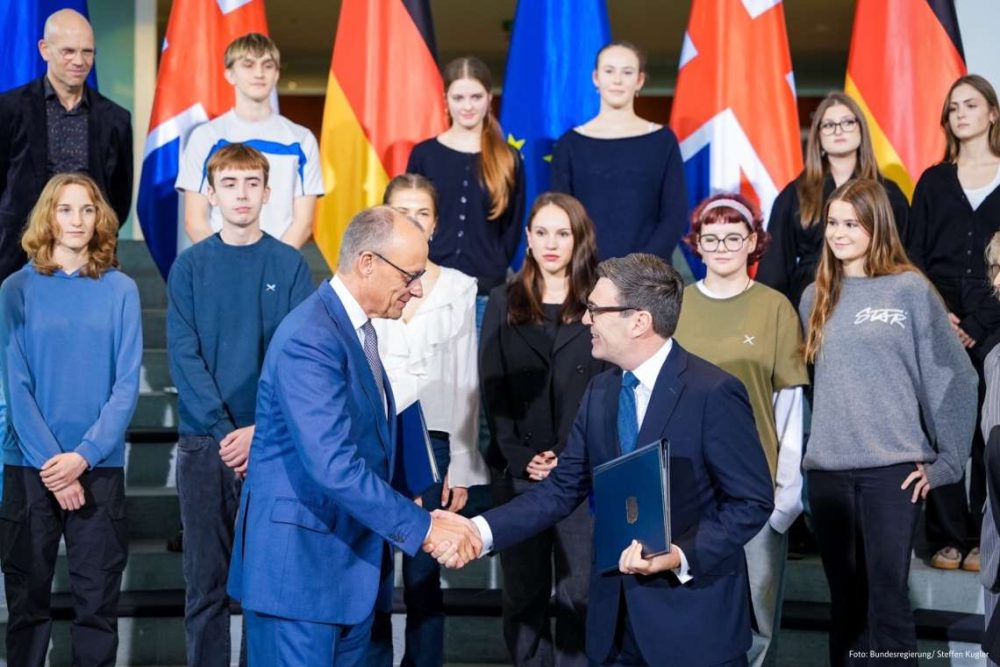
Britain and Germany ratify the Kensington Treaty, agreeing new cooperation on AI, quantum research, defence and security while targeting investment, jobs and Russian hybrid threats…reports Asian Lite News Desk Britain and Germany

Economic tide is turning in Bangladesh

If there is one thing that can bring some comfort to the struggling Bangladeshi economy, it is good relations with India. Bangladesh should remember that Delhi’s backing, through easy supplies of essentials
Go toTop

Don't Miss

Indian-origin wins Dem nomination for top post in Montgomery

If elected, Makhija, along with other commissioners, will be tasked

No flags to be used in Rahul’s Kerala campaign

Hassan, who is also the UDF convener, said that a