June 11, 2024
3 mins read

US Presidential candidate Stein calls for aid suspension to Israel

Stein is a candidate for the Green Party, which advocates on a range of issues, including environmental action and the constitutional rights “of all Americans…reports Asian Lite News

Jill Stein, who is campaigning to stand as a third-party candidate in the US presidential election in November, said that if elected she would immediately halt military support for Israel’s “apartheid government,” and push Israelis and Palestinians to embrace a “genuine peace.”

She told Arab News that American policy on the Israel-Palestine conflict is driven by lobbyists, and that anyone who challenges the Israeli government over its responsibility for ethnic cleansing in Palestine is denied their constitutional rights.

Stein is a candidate for the Green Party, which advocates on a range of issues, including environmental action and the constitutional rights “of all Americans.” She said she would halt the “police oppression” of students who stage campus protests demanding an end to what many consider a genocide in Gaza, stop the flow of weapons to Israel’s government, and preserve the rights of Arab and Muslim Americans who “continue to be the victims of racism, violence and Islamophobia.”

She added: “Arab and Muslims have been taken for granted in America. They are victims of racial profiling, Islamophobia and the violence against Arabs in this country. There is an absolute violation of our constitutional rights, by the government, to shut down our dialogue. People are trying to grapple with this genocide we are seeing in live and real time on our iPhones and on our computer screens. We need to talk about it but both the Democrats and the Republicans want to label this discussion as insurrection, as a betrayal and to try to criminalize it,” Stein, a Jewish American physician who grew up during the Vietnam War, said in reference to the police response to the wave of protests by students on hundreds of campuses around the country against the war in Gaza. They send in the riot police and bash the heads of protesters who are simply saying what the highest courts in the land are saying, the international Court of Justice and the International Criminal Court: this is a genocide that is taking place in Gaza, this is against the law and it must be stopped. It is even against US law to send weapons to Israel, which is violating humanitarian rights, which is interfering in the delivery of humanitarian aid. On all counts, it is actually illegal to provide Israel with military support and weapons right now. The people who are standing up to assert our legal values and our human values are being criminalized and being charged with crimes.”

Stein approached 34-year-old Lebanese American Abdullah Hammoud, the mayor of Dearborn in Michigan, to be her vice presidential running mate, before it was pointed out that candidates must be at least 35 years old when they take office, and he would be three months short of meeting this Constitutional requirement.

“The Arab American community is being dealt an incredible injustice,” Stein said, adding that she believes they deserve a stronger political voice and protections from abuse. We need to stand up as Americans on behalf of all of us to assert our rights to a foreign policy that reflects our values. In fact, we need a foreign policy based on international law, human rights and diplomacy. That is what Americans are calling for. But we have a system led by political and economic elites who are used to, basically, fighting their way into domination. We have a foreign policy based on the exercise of raw military power.”

ALSO READ: Blinken meets Netanyahu in Israel  

ALSO READ: UNSC Endorses Hostage Release, US Ceasefire Plan

Previous Story

Blinken meets Netanyahu in Israel  
Next Story

BJP leader Malviya accused of sexual exploitation

Previous Story

Blinken meets Netanyahu in Israel  
Next Story

BJP leader Malviya accused of sexual exploitation

Latest from -Top News

Pakistan Risks Overstretching Itself in Yemen War

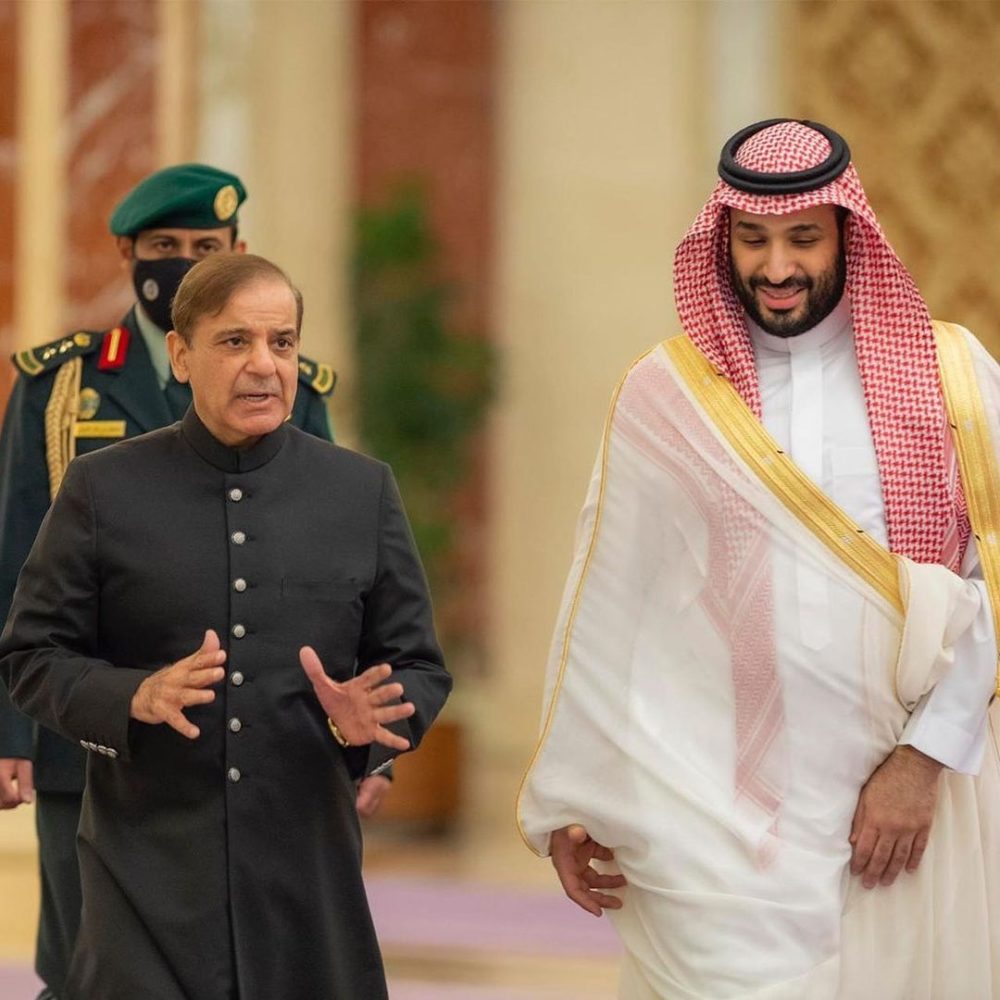
Pakistan’s expanding military role in Saudi Arabia amid the Yemen conflict could strain its defence resources and fragile finances…reports Asian Lite News Desk Pakistan’s military involvement in the war in Yemen may prove unsustainable because of mounting financial pressures and competing security demands, according to a new report. Islamabad’s growing military presence in Saudi Arabia risks stretching its defence resources while exposing the country to greater strategic and economic challenges. An article by Andrew Wilson in One World Outlook describes Pakistan’s involvement as a case of “fiscal and strategic overreach”, arguing that the country lacks the financial flexibility to sustain an expanded military commitment. Pakistan’s external finances depend heavily on an International Monetary Fund (IMF) programme, financial support from Gulf countries and remittances from Pakistani workers in the region. The report argues that deeper military involvement in the conflict could place additional pressure on these sources of financial stability. It also warns that deploying troops and military equipment abroad could weaken Pakistan’s capacity to address security challenges along its eastern border and deal with two domestic insurgencies. The move could also draw Islamabad into a conflict it has sought to approach cautiously. A Reuters report in May, citing Pakistani security and government sources, said Islamabad had deployed around 8,000 troops, a squadron of approximately 16 aircraft, mostly JF-17 fighter jets, two drone squadrons and a Chinese HQ-9 air-defence battery to Saudi Arabia. According to those sources, Riyadh was financing the deployment, with Pakistani personnel operating the equipment. The sources also said a confidential agreement contemplated the possibility of deploying up to 80,000 troops. Islamabad has not confirmed those figures, although it has acknowledged its military presence in Saudi Arabia, including the deployment of fighter jets at King Abdulaziz Air Base from April. The One World Outlook article argues that Saudi financial support can cover allowances and operating expenses but cannot easily replace military equipment needed elsewhere or resolve the political and strategic challenges of participating in the Yemen conflict. Pakistan’s defence budget is another concern. For the 2026-27 financial year, the federal government allocated PKR 3 trillion, or approximately $10.8 billion, to defence services. The allocation represents an 18 per cent increase from the original PKR 2.55 trillion provision and amounts to around 2.1 per cent of projected gross domestic product (GDP). Defence spending accounts for approximately 16 per cent of the federal government’s PKR 18.8 trillion expenditure. Military pensions are budgeted separately at PKR 822 billion, while debt servicing costs stand at approximately PKR 8 trillion, more than two-and-a-half times the defence allocation. The report argues that these competing financial obligations leave little room for additional military expenditure without placing further pressure on public finances. Pakistan’s reliance on IMF assistance also limits its fiscal flexibility. The country must meet the conditions attached to the programme, including a primary budget surplus target of 2 per cent of GDP and continued restraint on development spending. According to the article, these requirements make it difficult for Islamabad to finance an additional military commitment without compromising other budgetary priorities. Pakistan’s economic indicators offer limited reassurance. Economic growth for the 2025-26 financial year is estimated at between 3.6 and 3.7 per cent, while inflation reached approximately 10.3 per cent in September following an energy price shock. Foreign exchange reserves stood at around $21.5 billion at the end of September. Although this marks an improvement from the low levels recorded in 2023, the report notes that the reserves cover only a few months of imports. Financial assistance from Gulf partners remains central to Pakistan’s external stability. The article says Islamabad holds approximately $8 billion in Saudi deposits at its central bank. In July, the State Bank of Pakistan said Riyadh had extended the maturity of $5 billion in deposits to December 2028, easing the country’s immediate external financing requirements. A further $3 billion deposit was also extended in the spring. However, the article argues that these arrangements provide temporary relief rather than long-term financial independence, particularly as regional conflict threatens the stability of the Gulf economies on which Pakistan relies. The report concludes that Pakistan faces a difficult balance between supporting Saudi Arabia militarily and preserving the financial and military resources needed to address its domestic and regional challenges.

UK and Germany Ratify Kensington Treaty

Britain and Germany ratify the Kensington Treaty, agreeing new cooperation on AI, quantum research, defence and security while targeting investment, jobs and Russian hybrid threats…reports Asian Lite News Desk Britain and Germany

Economic tide is turning in Bangladesh

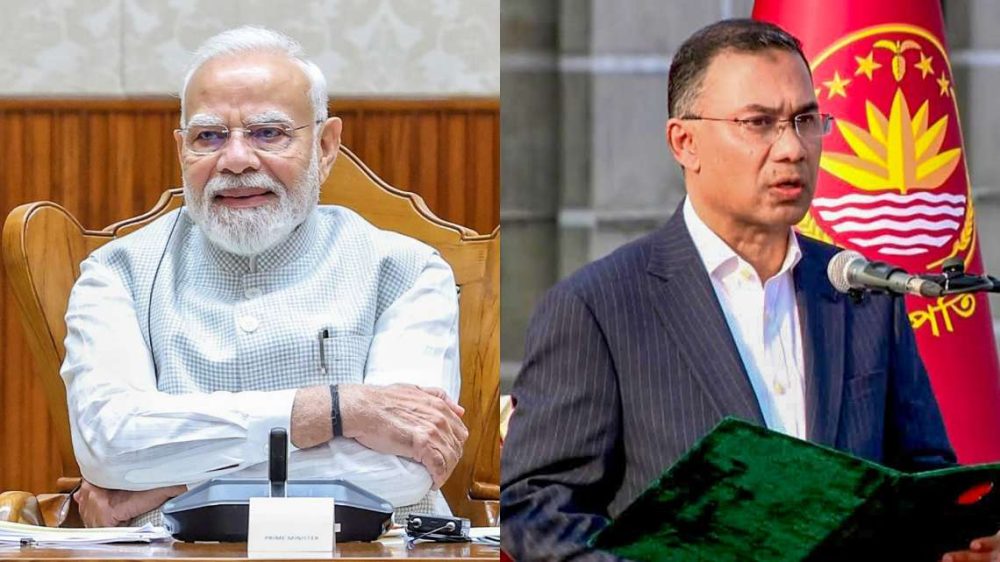
If there is one thing that can bring some comfort to the struggling Bangladeshi economy, it is good relations with India. Bangladesh should remember that Delhi’s backing, through easy supplies of essentials
Go toTop

Don't Miss

NASA troubleshoots leak issue of Artemis I

The launch director confirmed all objectives have been met for

Strike Iran, Face Us, Houthis warn US

The Yemen-based Houthi group, which controls much of northern Yemen,