Among the most alarming trends noted was the sharp increase in enforced disappearances and extrajudicial killings in recent months…reports Asian Lite News
MP Sojan Joseph hosted a meeting at the Parliament House in London, to discuss the growing concerns about the escalating human rights violations in Balochistan, particularly those attributed to Pakistani security forces.
Prominent scholars, academics, and human rights activists gathered to discuss the dire situation in the region. They condemned the actions of Pakistani security forces, referring to them as acts of genocide.
Among the most alarming trends noted was the sharp increase in enforced disappearances and extrajudicial killings in recent months.
The speakers urged the government to use its diplomatic influence to intervene and prevent further loss of life in Balochistan. They also called for urgent international action, demanding that UK government advocate for the establishment of a United Nations fact-finding mission to investigate the severity of the human rights crisis in the region.
Key figures at the meeting included Aisha Siddiqua, Lakhumal Luhana, Naghma Iqtadar, Naseer Dashti, Fahim Baloch, and Qambar Malik, all of whom shared their expertise and personal insights into the ongoing violations.
The gathering emphasized the need for immediate international attention to bring justice and accountability to the people of Balochistan.
Human rights violations in Balochistan have been a persistent and significant issue for decades. Ethnic Baloch people in Pakistan’s Balochistan province have long accused the state of systemic discrimination, marginalisation, and the denial of political autonomy.
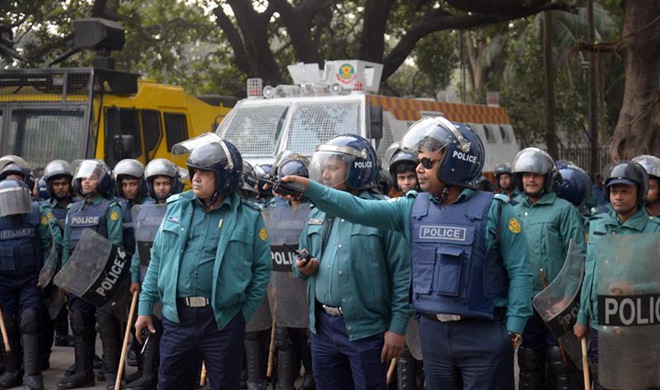
The Pakistani government has been criticised for forcibly suppressing Baloch nationalist movements, with reports of extrajudicial killings, enforced disappearances, and torture of activists, journalists, and civilians.
The Pakistani military, intelligence agencies, and paramilitary forces have been implicated in these abuses, often targeting Baloch insurgents and pro-independence groups under the guise of counter-insurgency operations.
In addition to the violence, Balochistan suffers from widespread economic underdevelopment, despite its wealth of natural resources such as oil, gas, and minerals. This economic disparity, combined with limited access to education, healthcare, and infrastructure, has fueled growing discontent among the Baloch people. (ANI)
ALSO READ: Saltmarsh being restored in Devon
ALSO READ: Affair with student gets V-C of Buckingham Univ suspended