December 5, 2024
4 mins read

Qatar Emir, PM discuss investment relations  

After praising the “strong partnership” between the UK and Qatar, Mr Starmer thanked the Emir for “your vital role in difficult issues in the Middle East”…reports Asian Lite News

A partnership aimed at creating thousands of highly skilled jobs and world-leading climate technology hubs across the UK and Qatar was struck on the second day of a state visit by the Emir of Qatar to Britain. 

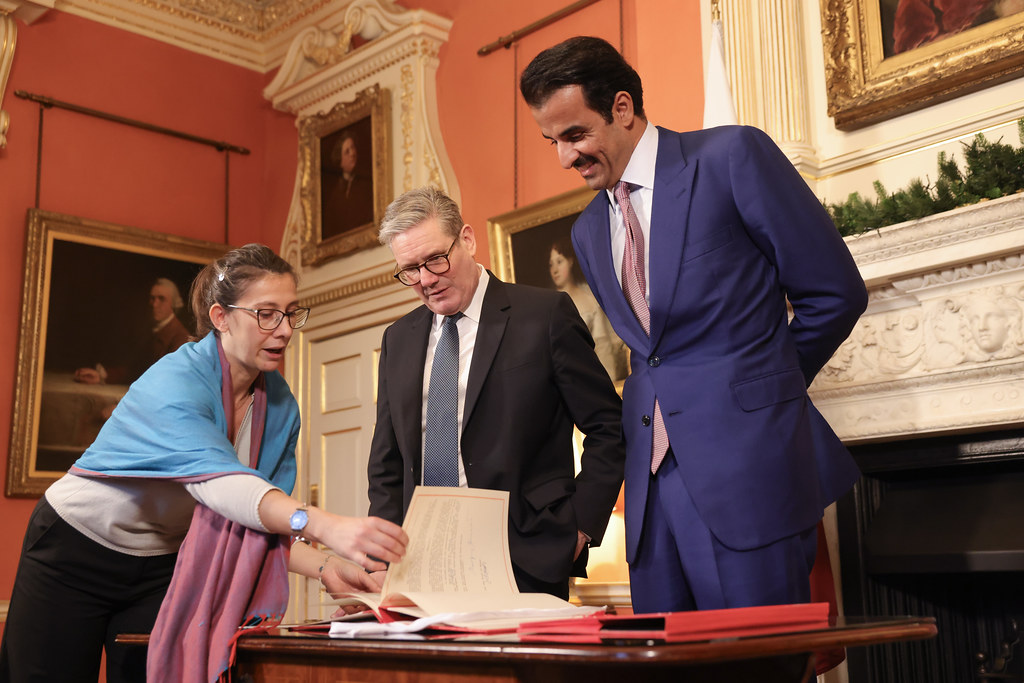
The agreement was signed at No 10 Downing Street as Sheikh Tamim met Prime Minister Keir Starmer, following Qatar’s confirmation of an initial commitment of £1 billion ($1.27 billion). The agreement promotes co-operation between the two countries in financial services, with a focus on the development of sectors such as FinTech and green finance. 

After praising the “strong partnership” between the UK and Qatar, Mr Starmer thanked the Emir for “your vital role in difficult issues in the Middle East”. 

Sheikh Tamim said: “We will be talking about some details about how to go forward and how to put an end to this crisis.” 

During talks, Starmer and Sheikh Tamim reflected on the close co-operation the countries share and their ambition to go further to strengthen their unique partnership. 

Earlier, Sheikh Tamim, who was educated in the UK at Harrow before graduating from Royal Military Academy Sandhurst in 1998, visited his former military academy where he inspected Qatari cadets. He was accompanied by Britain’s Defence Secretary, John Healey. 
The Qatari Emir also received a formal farewell from King Charles III at Buckingham Palace. 

Included in the announcement about investment in green technology were: 

Deal involves technology programmes from British engineering firm Rolls-Royce that improve energy efficiency, support new sustainable fuels and lower carbon emissions. 

Funding will be funnelled to start-ups in the UK and Qatar focusing on energy efficiency, carbon management and green power. 

Hubs will be launched in both countries to accelerate development in climate-friendly technology. 

The Rolls-Royce section of the deal is aimed at improving energy efficiency, supporting new sustainable fuels and lower carbon emissions, and in start-ups focusing on energy efficiency, carbon management and green power. 

Starmer said the partnership was a “significant step in our ambition to become a clean energy superpower”. 

“Enabling the energy transition through lower carbon technologies is a key part of our strategy,” Rolls-Royce chief executive Tufan Erginbilgic said. “We are delighted to welcome Qatar as a strategic partner, who will support the growth of these technologies.” 

Funding will also be funnelled to start-ups in the UK and Qatar, which will both be home to new technology hubs, creating thousands of jobs. 

Starmer was elected in July on a promise to lift economic growth and is looking to potential wealthy investors such as Qatar to help fund his plans for new infrastructure and energy development. 

The Gulf state is already a big investor in Britain through the Qatar Investment Authority, which owns the Canary Wharf business and entertainment district in east London as well as stakes in Barclays and Heathrow Airport, among other holdings. 

Prime Minister of Qatar, Sheikh Mohammed Abdulrahman al Thani described the partnership as groundbreaking and acknowledged the UK’s history of innovation in cutting edge technology. 

He said: “We welcome the formalisation of our strategic relationship with Rolls-Royce. Qatar is already one of the largest purchasers of Rolls-Royce engines for Qatar Airways and a major investor in the small modular reactor nuclear industry. We welcome the creation of highly skilled jobs in both Qatar and the UK, and look forward to welcoming a diverse range of businesses to Doha as part of the Rolls-Royce partnership.” 

The Emir was to attend an evening dinner at Mansion House hosted by the Lord Mayor and City of London Corporation before departing from Stansted Airport. 

Sheikh Tamim met members of the royal family, including the Princess of Wales on a rare public appearance, and attended a state banquet hosted by the king on Tuesday. 

Guests at the event, which was hosted in the Buckingham Palace ballroom, included David Beckham, who was a paid ambassador for Qatar when it hosted the 2022 Fifa World Cup. 

Attendees dined on a menu of Windsor pheasant wrapped in Savoy cabbage, Cornish lobsters with quail eggs and a Balmoral plum sorbet, receiving a special mocktail after dinner called a Royal Mirage, made of smoked pomegranate and ginger with black lime garnish. 

The non-alcoholic drink reflected the colour of the Qatari flag, which was also celebrated with seasonal flowers. 

Vivid red amaryllis in silver-gilt centrepieces served as a focal point, with bright scarlet winterberries, hydrangeas, red nerines and black tulips among the foliage, collected from the grounds of Windsor Castle. 

Music was played by the Hiraeth String Quartet and Welsh harpist Mared Pugh-Evans, with tunes including Moondance by Van Morrison and excerpts from the film La La Land. 

ALSO READ: More than three-quarters of UK universities join fossil fuel pledge 

Previous Story

‘Bobby on every beat’ 

Next Story

‘Major war could destroy army in six months’ 

Previous Story

‘Bobby on every beat’ 

Next Story

‘Major war could destroy army in six months’ 

Latest from -Top News

Pakistan Risks Overstretching Itself in Yemen War

Pakistan’s expanding military role in Saudi Arabia amid the Yemen conflict could strain its defence resources and fragile finances…reports Asian Lite News Desk Pakistan’s military involvement in the war in Yemen may prove unsustainable because of mounting financial pressures and competing security demands, according to a new report. Islamabad’s growing military presence in Saudi Arabia risks stretching its defence resources while exposing the country to greater strategic and economic challenges. An article by Andrew Wilson in One World Outlook describes Pakistan’s involvement as a case of “fiscal and strategic overreach”, arguing that the country lacks the financial flexibility to sustain an expanded military commitment. Pakistan’s external finances depend heavily on an International Monetary Fund (IMF) programme, financial support from Gulf countries and remittances from Pakistani workers in the region. The report argues that deeper military involvement in the conflict could place additional pressure on these sources of financial stability. It also warns that deploying troops and military equipment abroad could weaken Pakistan’s capacity to address security challenges along its eastern border and deal with two domestic insurgencies. The move could also draw Islamabad into a conflict it has sought to approach cautiously. A Reuters report in May, citing Pakistani security and government sources, said Islamabad had deployed around 8,000 troops, a squadron of approximately 16 aircraft, mostly JF-17 fighter jets, two drone squadrons and a Chinese HQ-9 air-defence battery to Saudi Arabia. According to those sources, Riyadh was financing the deployment, with Pakistani personnel operating the equipment. The sources also said a confidential agreement contemplated the possibility of deploying up to 80,000 troops. Islamabad has not confirmed those figures, although it has acknowledged its military presence in Saudi Arabia, including the deployment of fighter jets at King Abdulaziz Air Base from April. The One World Outlook article argues that Saudi financial support can cover allowances and operating expenses but cannot easily replace military equipment needed elsewhere or resolve the political and strategic challenges of participating in the Yemen conflict. Pakistan’s defence budget is another concern. For the 2026-27 financial year, the federal government allocated PKR 3 trillion, or approximately $10.8 billion, to defence services. The allocation represents an 18 per cent increase from the original PKR 2.55 trillion provision and amounts to around 2.1 per cent of projected gross domestic product (GDP). Defence spending accounts for approximately 16 per cent of the federal government’s PKR 18.8 trillion expenditure. Military pensions are budgeted separately at PKR 822 billion, while debt servicing costs stand at approximately PKR 8 trillion, more than two-and-a-half times the defence allocation. The report argues that these competing financial obligations leave little room for additional military expenditure without placing further pressure on public finances. Pakistan’s reliance on IMF assistance also limits its fiscal flexibility. The country must meet the conditions attached to the programme, including a primary budget surplus target of 2 per cent of GDP and continued restraint on development spending. According to the article, these requirements make it difficult for Islamabad to finance an additional military commitment without compromising other budgetary priorities. Pakistan’s economic indicators offer limited reassurance. Economic growth for the 2025-26 financial year is estimated at between 3.6 and 3.7 per cent, while inflation reached approximately 10.3 per cent in September following an energy price shock. Foreign exchange reserves stood at around $21.5 billion at the end of September. Although this marks an improvement from the low levels recorded in 2023, the report notes that the reserves cover only a few months of imports. Financial assistance from Gulf partners remains central to Pakistan’s external stability. The article says Islamabad holds approximately $8 billion in Saudi deposits at its central bank. In July, the State Bank of Pakistan said Riyadh had extended the maturity of $5 billion in deposits to December 2028, easing the country’s immediate external financing requirements. A further $3 billion deposit was also extended in the spring. However, the article argues that these arrangements provide temporary relief rather than long-term financial independence, particularly as regional conflict threatens the stability of the Gulf economies on which Pakistan relies. The report concludes that Pakistan faces a difficult balance between supporting Saudi Arabia militarily and preserving the financial and military resources needed to address its domestic and regional challenges.

UK and Germany Ratify Kensington Treaty

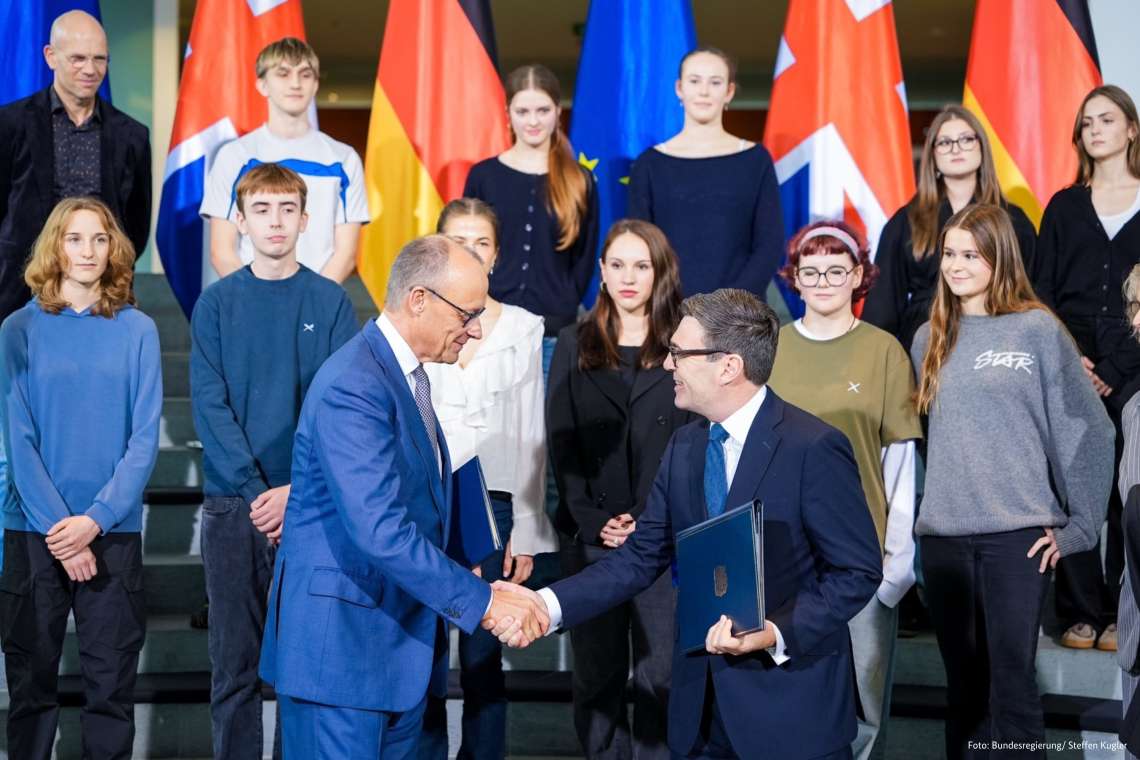
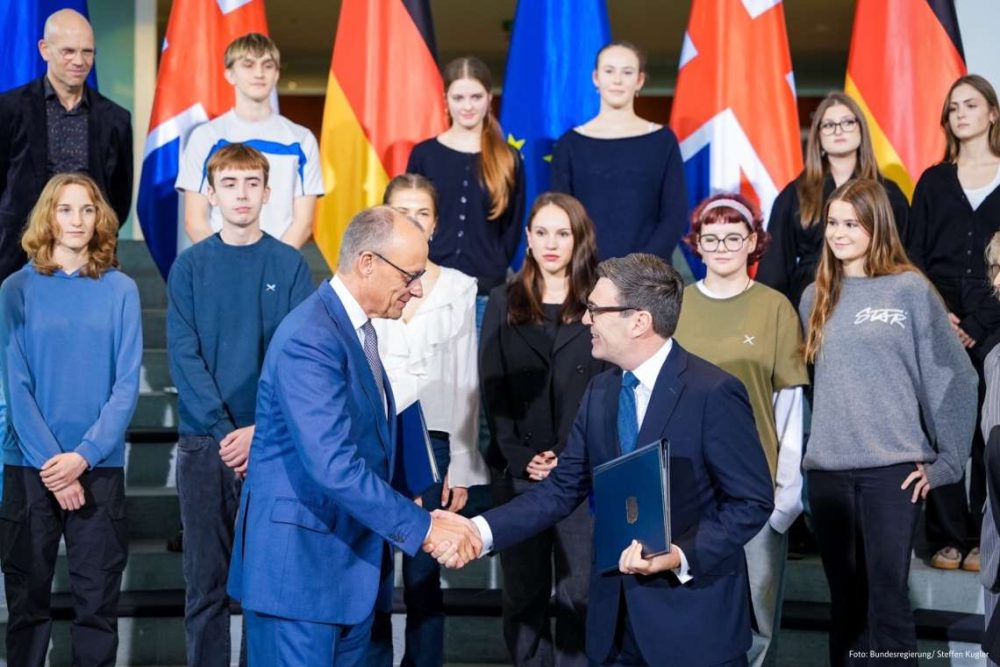
Britain and Germany ratify the Kensington Treaty, agreeing new cooperation on AI, quantum research, defence and security while targeting investment, jobs and Russian hybrid threats…reports Asian Lite News Desk Britain and Germany

Economic tide is turning in Bangladesh

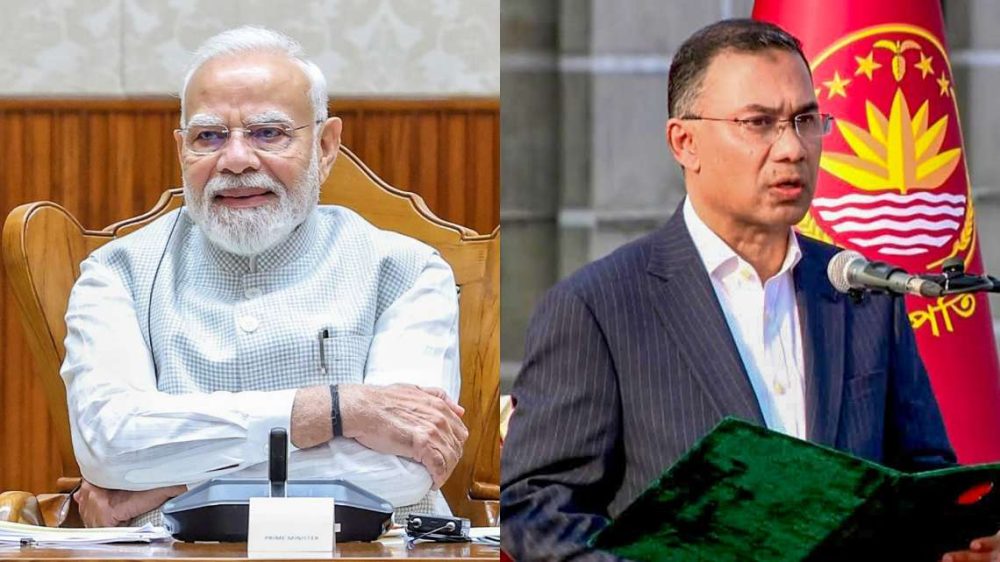
If there is one thing that can bring some comfort to the struggling Bangladeshi economy, it is good relations with India. Bangladesh should remember that Delhi’s backing, through easy supplies of essentials
Go toTop

Don't Miss

Prince William to attend COP30 climate summit

Prince William to represent King Charles at landmark global climate

Auction house facing claims it is selling looted antiquities 

Third-century Roman plate and bust of Emperor Hadrian alleged to