December 5, 2024
4 mins read

‘Bobby on every beat’ 

PM sets out ‘next phase’ covering economic growth, NHS backlogs, energy, and a ‘bobby on every beat’…reports Asian Lite News

Keir Starmer will attempt to reset his premiership with a series of pledges to show he is “delivering change”, including 13,000 extra neighbourhood police and a named “bobby on every beat”. 

In a speech Labour hopes will set out the “next phase” of government, the prime minister will detail half a dozen “milestone” targets covering living standards, NHS backlogs, secure energy, housebuilding and children’s readiness for school. 

As part of a promise to crack down on crime and antisocial behaviour, he will say that every neighbourhood in England and Wales will have a named, contactable police officer. Each police force will also have an antisocial behaviour lead tasked with coming up with ways to tackle concerns raised by local residents and businesses. 

Starmer will pledge 13,000 more neighbourhood police, PCSOs and special constables by 2029, with an additional £100m of funding. “These officers must demonstrably spend time on visible patrol and not be taken off the beat to plug shortages elsewhere,” he will say. The boost would bring the total police workforce to a level above its 2010 peak. 

After ministers were accused of blindsiding businesses with a big increase in employer national insurance contributions in the budget, the heads of three high street retailers – Asda, Co-op and McDonald’s – endorsed the “neighbourhood policing guarantee”. 

The promise will prompt comparisons with the Blair-era “tough on crime” slogan. Many of the plans were first outlined by Labour last year. 

The attempted reboot – labelled Starmer’s “plan for change” – follows a rocky first five months in power for the government. A major tax and spend budget was welcomed by campaigners for greater spending on public services but sapped business confidence and led to protests by farmers. Starmer has also faced a row over ministers enjoying freebies, and the resignations of both his chief of staff, Sue Gray and his transport secretary, Louise Haigh, who quit after it emerged she had been convicted of fraud over a missing work phone. 

The Conservative party leader, Kemi Badenoch, has branded Thursday’s speech an “emergency reset”. But Starmer will say claim that the new “milestones” are the next phase of the “missions” he said would shape a Labour government. But it is also a tacit admission that those missions are being dumped as they were either too woolly or not achievable. 

The missions were: achieving the highest growth out of G7 countries, making Britain a “clean energy superpower”, halving serious violent crime, breaking down “barriers to opportunity” and building an NHS “fit for the future”. No 10 insiders have argued that numerical targets are more memorable for voters. “We’ll be putting them [the missions] into layman’s terms,” said one source last week. 

In his speech on Thursday, Starmer will say: “My government was elected to deliver change, and today marks the next step. People are tired of being promised the world, but short-term sticking plaster politics is letting them down. 

“Hardworking Brits are going out grafting every day but are getting short shrift from a politics that should serve them. They reasonably want a stable economy, their country to be safe, their borders secure, more cash in their pocket, safer streets in their town, opportunities for their children, secure British energy in their home, and an NHS that is there when they need it. My mission-led government will deliver.” 

On the crime and antisocial behaviour plan, he will add: “The neighbourhood policing guarantee will deliver 13,000 extra neighbourhood police, visible on your streets, cracking down on antisocial behaviour. A named, contactable officer in every community. A relief to millions of people scared to walk their streets they call home. 

“But it’s a pledge that is only possible because we are matching investment with reform; standardising procurement, streamlining specialist services like forensics, and ending the madness of 43 forces purchasing their own cars and uniforms.” 

Shops have complained of facing an epidemic of shoplifting in the past year, fuelled in large part by the cost of living crisis. 

Liz Evans, the chief commercial officer at Asda, said: “Asda welcomes the introduction of the neighbourhood policing guarantee and the new role for businesses in shaping local policing priorities. 

“At the heart of communities, retailers see every day the devastating impact retail crime is having on our colleagues and our customers. The changes introduced today are positive, and Asda stands ready to work in partnership with our new neighbourhood officers to help reduce crime and improve safety in the communities we serve.” 

Alistair Macrow, the CEO of McDonald’s UK, said: “Addressing and raising awareness of antisocial behaviour is essential in keeping high streets and local communities safe.” Paul Gerrard, Co-op’s campaigns and public affairs director, said: “The Co-op sees every day in our stores and in the communities they serve the impact of crime and antisocial behaviour so we welcome the government’s action today.” 

ALSO READ: Freezing temperatures as low as -10C forecast in UK 

Previous Story

India’s Housing Market Set to Soar 

Next Story

Qatar Emir, PM discuss investment relations  

Previous Story

India’s Housing Market Set to Soar 

Next Story

Qatar Emir, PM discuss investment relations  

Latest from -Top News

Pakistan Risks Overstretching Itself in Yemen War

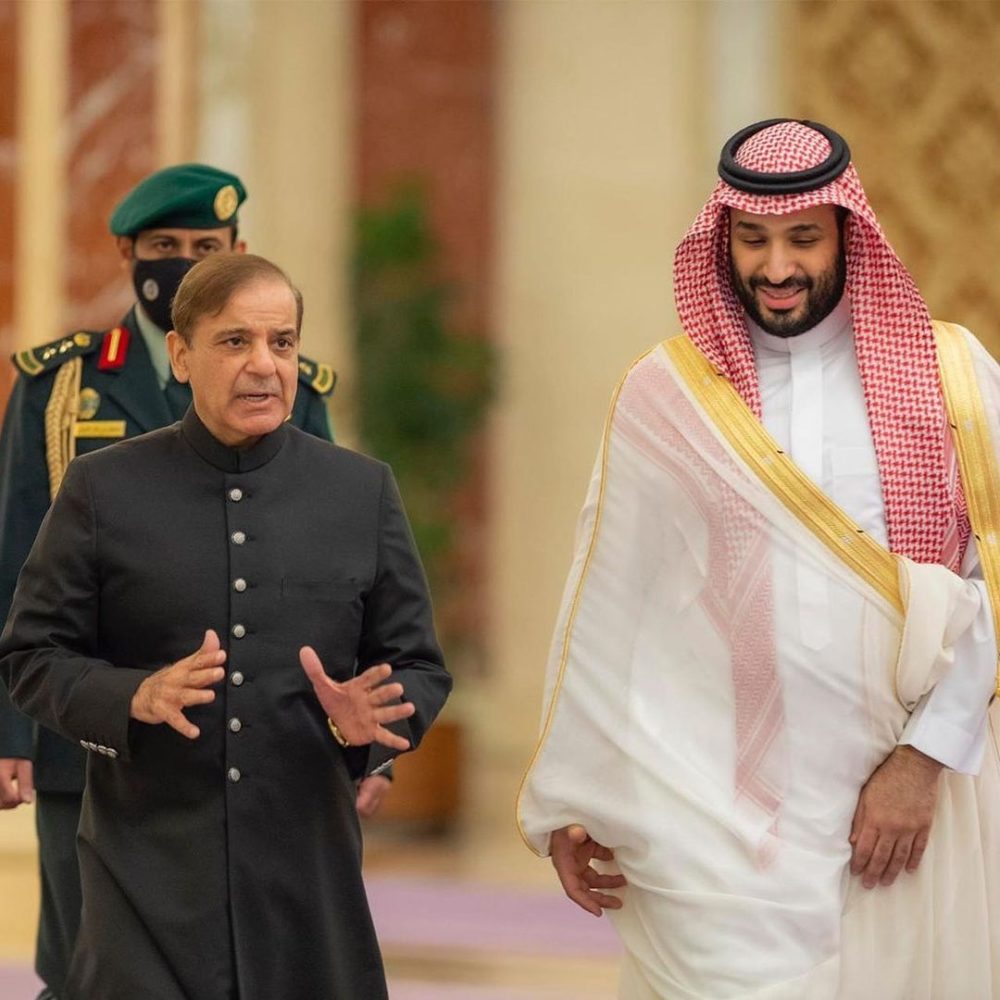
Pakistan’s expanding military role in Saudi Arabia amid the Yemen conflict could strain its defence resources and fragile finances…reports Asian Lite News Desk Pakistan’s military involvement in the war in Yemen may prove unsustainable because of mounting financial pressures and competing security demands, according to a new report. Islamabad’s growing military presence in Saudi Arabia risks stretching its defence resources while exposing the country to greater strategic and economic challenges. An article by Andrew Wilson in One World Outlook describes Pakistan’s involvement as a case of “fiscal and strategic overreach”, arguing that the country lacks the financial flexibility to sustain an expanded military commitment. Pakistan’s external finances depend heavily on an International Monetary Fund (IMF) programme, financial support from Gulf countries and remittances from Pakistani workers in the region. The report argues that deeper military involvement in the conflict could place additional pressure on these sources of financial stability. It also warns that deploying troops and military equipment abroad could weaken Pakistan’s capacity to address security challenges along its eastern border and deal with two domestic insurgencies. The move could also draw Islamabad into a conflict it has sought to approach cautiously. A Reuters report in May, citing Pakistani security and government sources, said Islamabad had deployed around 8,000 troops, a squadron of approximately 16 aircraft, mostly JF-17 fighter jets, two drone squadrons and a Chinese HQ-9 air-defence battery to Saudi Arabia. According to those sources, Riyadh was financing the deployment, with Pakistani personnel operating the equipment. The sources also said a confidential agreement contemplated the possibility of deploying up to 80,000 troops. Islamabad has not confirmed those figures, although it has acknowledged its military presence in Saudi Arabia, including the deployment of fighter jets at King Abdulaziz Air Base from April. The One World Outlook article argues that Saudi financial support can cover allowances and operating expenses but cannot easily replace military equipment needed elsewhere or resolve the political and strategic challenges of participating in the Yemen conflict. Pakistan’s defence budget is another concern. For the 2026-27 financial year, the federal government allocated PKR 3 trillion, or approximately $10.8 billion, to defence services. The allocation represents an 18 per cent increase from the original PKR 2.55 trillion provision and amounts to around 2.1 per cent of projected gross domestic product (GDP). Defence spending accounts for approximately 16 per cent of the federal government’s PKR 18.8 trillion expenditure. Military pensions are budgeted separately at PKR 822 billion, while debt servicing costs stand at approximately PKR 8 trillion, more than two-and-a-half times the defence allocation. The report argues that these competing financial obligations leave little room for additional military expenditure without placing further pressure on public finances. Pakistan’s reliance on IMF assistance also limits its fiscal flexibility. The country must meet the conditions attached to the programme, including a primary budget surplus target of 2 per cent of GDP and continued restraint on development spending. According to the article, these requirements make it difficult for Islamabad to finance an additional military commitment without compromising other budgetary priorities. Pakistan’s economic indicators offer limited reassurance. Economic growth for the 2025-26 financial year is estimated at between 3.6 and 3.7 per cent, while inflation reached approximately 10.3 per cent in September following an energy price shock. Foreign exchange reserves stood at around $21.5 billion at the end of September. Although this marks an improvement from the low levels recorded in 2023, the report notes that the reserves cover only a few months of imports. Financial assistance from Gulf partners remains central to Pakistan’s external stability. The article says Islamabad holds approximately $8 billion in Saudi deposits at its central bank. In July, the State Bank of Pakistan said Riyadh had extended the maturity of $5 billion in deposits to December 2028, easing the country’s immediate external financing requirements. A further $3 billion deposit was also extended in the spring. However, the article argues that these arrangements provide temporary relief rather than long-term financial independence, particularly as regional conflict threatens the stability of the Gulf economies on which Pakistan relies. The report concludes that Pakistan faces a difficult balance between supporting Saudi Arabia militarily and preserving the financial and military resources needed to address its domestic and regional challenges.

UK and Germany Ratify Kensington Treaty

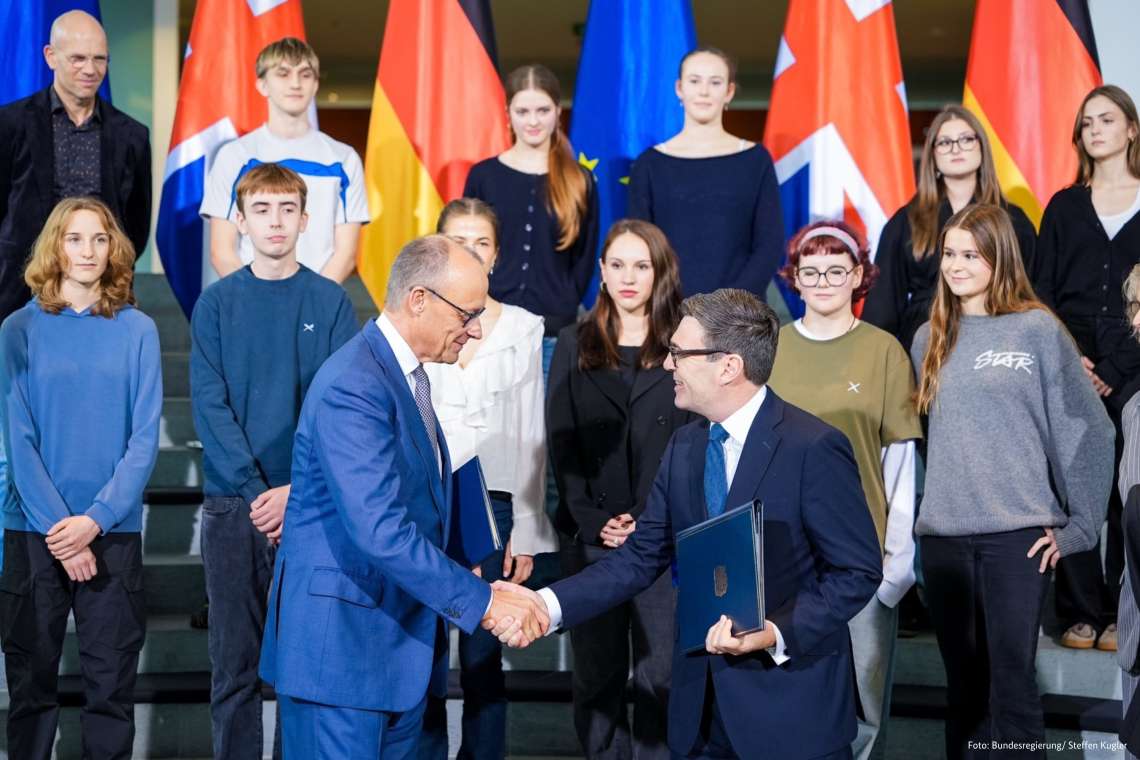
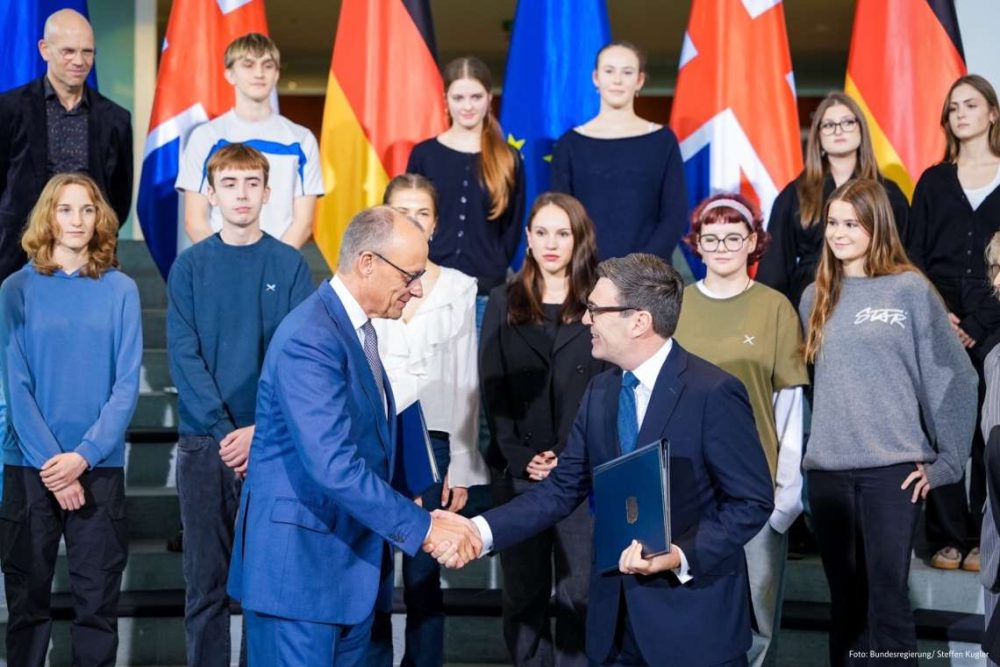
Britain and Germany ratify the Kensington Treaty, agreeing new cooperation on AI, quantum research, defence and security while targeting investment, jobs and Russian hybrid threats…reports Asian Lite News Desk Britain and Germany

Economic tide is turning in Bangladesh

If there is one thing that can bring some comfort to the struggling Bangladeshi economy, it is good relations with India. Bangladesh should remember that Delhi’s backing, through easy supplies of essentials
Go toTop

Don't Miss

Labour left urges PM to speak up for human rights on Saudi trip 

Party figures have voiced concerns that next month’s visit will

MEA confirms Modi’s visit to Italy, UK for G-20 Summit & COP-26

COP-26 is being held from October 31 to November 12,