March 7, 2024
3 mins read

Women Leaders Transforming Political Landscapes

In January 2021, Radhakrishnan, who is a Labour MP right now, was conferred a Pravasi Bharatiya Samman award for public service…reports Asian Lite News

Women serve as heads of state and government in only 31 countries with less than one in four serving as cabinet ministers, and just 26.5 per cent of them as MPs in a 21st-century world that speaks of gender equality.

Despite the not-so-impressive numbers, based on a 2023 UN study, women across the world have been emerging as a formidable force in political fora that has long been overpowered by men.

While in India, Ministers Nirmala Sitharaman, Smriti Irani, and many of their colleagues in the PM Narendra Modi government put in assiduous work to make governance more responsive to women’s interests and needs, their fellow Indian women beyond borders are not far behind.

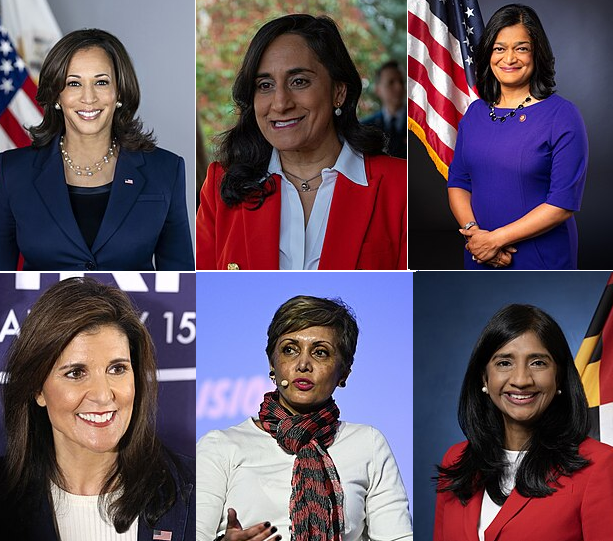
In the US, Vice President Kamala Devi Harris — born to a Jamaican father and an Indian mother — is President Joe Biden’s running mate in this year’s crucial election and could well script history by becoming America’s first woman President, as well as the first of Indian descent.

Till two days back, two-time former South Carolina Governor Nikki Haley — born Nimrata Nikki Randhawa to Punjabi Sikh parents — was the last woman standing against Republican frontrunner Donald Trump in the 2024 race to the White House. She was also the US Ambassador to the UN under then-President Trump.

Chennai-born Pramila Jayapal is among the five Indian-American lawmakers in the US Congress and represents the 7th Congressional District of Washington. Last year, her sister Susheela Jayapal, launched her congressional bid from the state of Oregon.

Assemblywoman Jenifer Rajkumar, the first Hindu American elected to New York State Office, won the Diwali school holiday in just one legislative session, winning the hearts of the South Asian community in the state.

Last year, Andhra Pradesh-born Aruna Miller scripted history by becoming the first Indian-American politician to be sworn in as the Lieutenant Governor in the state of Maryland.

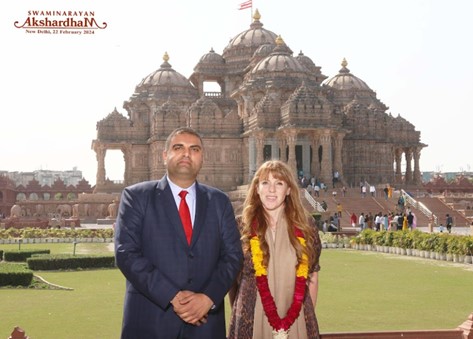
In Australia, Labour MP Zaneta Mascarenhas became the first person of Goan origin to be elected to the country’s lower house of representatives in 2022 from Swan.

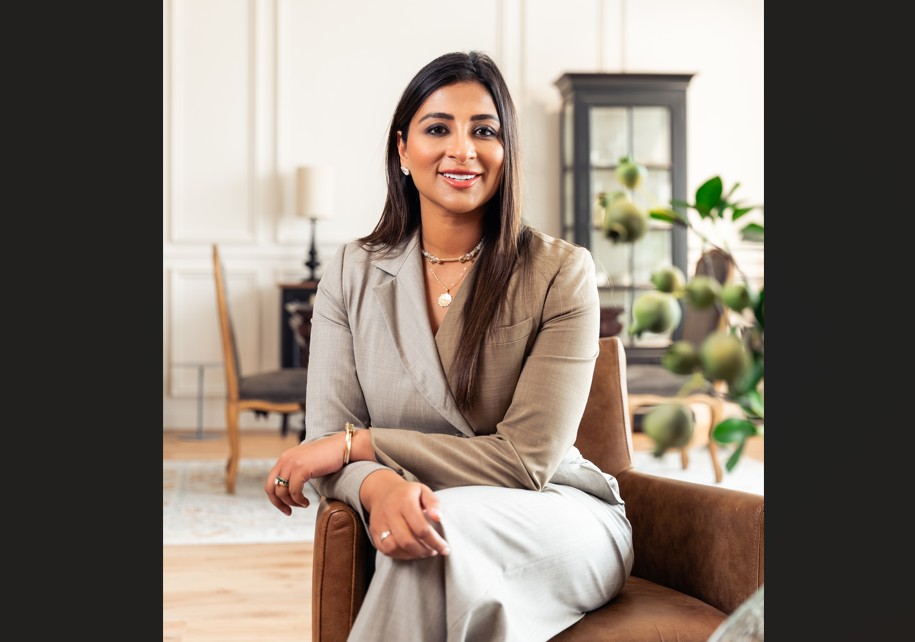
In Australia’s closest neighbour to the east, Priyanca Radhakrishnan became the first person of Indian roots to be named minister for Diversity, Inclusion and Ethnic Communities in New Zealand.

Her great-grandfather, Dr C.R. Krishna Pillai, had reportedly been a left-wing leader with the Communist Party and played a key role in Kerala politics.

In January 2021, Radhakrishnan, who is a Labour MP right now, was conferred a Pravasi Bharatiya Samman award for public service.

Indo-Canadian Anita Anand, promoted as the President of the Treasury Board in a last year Cabinet reshuffle, was the former Defence Minister of Canada and also served as the Minister of Public Services and Procurement in the past.

Born in 1967 in Nova Scotia to a Punjabi mother and a Tamil father, both physicians, Anita — having worked as a scholar, lawyer and researcher — was first elected as the MP for Oakville in 2019.

Reacting to Justin Trudeau’s allegations of an Indian hand in the murder of Khalistani activist Hardeep Singh Nijjar, Anita said it was a “very difficult time” to hear the Prime Minister make the remarks, especially for families who come from India.

“I am thinking about my parents, for example, and I think that sentiment is shared by South Asians and families who come from India, regardless of religion,” Anita said, adding that it is “time to let the legal process continue as it must.”

Born to Sikh parents from India, Jyoti Gondek was sworn in as the 37th mayor of Calgary, a city in Canada’s Alberta province, becoming the first woman to be elected to the role in 2021.

In the island nation of Singapore, Indranee Rajah — born to a Tamil father and a Chinese Singaporean mother, entered politics in 2001 and was appointed a minister in the Prime Minister’s office in 2018. She has been serving as Minister in the Prime Minister’s Office and Second Minister for Finance since 2018 in the city-state.

ALSO READ-UK’s Labour Delegation Visits India to Deepen Ties
Previous Story

UK’s Labour Delegation Visits India to Deepen Ties
Next Story

Ukraine Initiates Forced Evacuation from 57 Eastern Settlements

Previous Story

UK’s Labour Delegation Visits India to Deepen Ties
Next Story

Ukraine Initiates Forced Evacuation from 57 Eastern Settlements

Latest from -Top News

Pakistan Risks Overstretching Itself in Yemen War

Pakistan’s expanding military role in Saudi Arabia amid the Yemen conflict could strain its defence resources and fragile finances…reports Asian Lite News Desk Pakistan’s military involvement in the war in Yemen may prove unsustainable because of mounting financial pressures and competing security demands, according to a new report. Islamabad’s growing military presence in Saudi Arabia risks stretching its defence resources while exposing the country to greater strategic and economic challenges. An article by Andrew Wilson in One World Outlook describes Pakistan’s involvement as a case of “fiscal and strategic overreach”, arguing that the country lacks the financial flexibility to sustain an expanded military commitment. Pakistan’s external finances depend heavily on an International Monetary Fund (IMF) programme, financial support from Gulf countries and remittances from Pakistani workers in the region. The report argues that deeper military involvement in the conflict could place additional pressure on these sources of financial stability. It also warns that deploying troops and military equipment abroad could weaken Pakistan’s capacity to address security challenges along its eastern border and deal with two domestic insurgencies. The move could also draw Islamabad into a conflict it has sought to approach cautiously. A Reuters report in May, citing Pakistani security and government sources, said Islamabad had deployed around 8,000 troops, a squadron of approximately 16 aircraft, mostly JF-17 fighter jets, two drone squadrons and a Chinese HQ-9 air-defence battery to Saudi Arabia. According to those sources, Riyadh was financing the deployment, with Pakistani personnel operating the equipment. The sources also said a confidential agreement contemplated the possibility of deploying up to 80,000 troops. Islamabad has not confirmed those figures, although it has acknowledged its military presence in Saudi Arabia, including the deployment of fighter jets at King Abdulaziz Air Base from April. The One World Outlook article argues that Saudi financial support can cover allowances and operating expenses but cannot easily replace military equipment needed elsewhere or resolve the political and strategic challenges of participating in the Yemen conflict. Pakistan’s defence budget is another concern. For the 2026-27 financial year, the federal government allocated PKR 3 trillion, or approximately $10.8 billion, to defence services. The allocation represents an 18 per cent increase from the original PKR 2.55 trillion provision and amounts to around 2.1 per cent of projected gross domestic product (GDP). Defence spending accounts for approximately 16 per cent of the federal government’s PKR 18.8 trillion expenditure. Military pensions are budgeted separately at PKR 822 billion, while debt servicing costs stand at approximately PKR 8 trillion, more than two-and-a-half times the defence allocation. The report argues that these competing financial obligations leave little room for additional military expenditure without placing further pressure on public finances. Pakistan’s reliance on IMF assistance also limits its fiscal flexibility. The country must meet the conditions attached to the programme, including a primary budget surplus target of 2 per cent of GDP and continued restraint on development spending. According to the article, these requirements make it difficult for Islamabad to finance an additional military commitment without compromising other budgetary priorities. Pakistan’s economic indicators offer limited reassurance. Economic growth for the 2025-26 financial year is estimated at between 3.6 and 3.7 per cent, while inflation reached approximately 10.3 per cent in September following an energy price shock. Foreign exchange reserves stood at around $21.5 billion at the end of September. Although this marks an improvement from the low levels recorded in 2023, the report notes that the reserves cover only a few months of imports. Financial assistance from Gulf partners remains central to Pakistan’s external stability. The article says Islamabad holds approximately $8 billion in Saudi deposits at its central bank. In July, the State Bank of Pakistan said Riyadh had extended the maturity of $5 billion in deposits to December 2028, easing the country’s immediate external financing requirements. A further $3 billion deposit was also extended in the spring. However, the article argues that these arrangements provide temporary relief rather than long-term financial independence, particularly as regional conflict threatens the stability of the Gulf economies on which Pakistan relies. The report concludes that Pakistan faces a difficult balance between supporting Saudi Arabia militarily and preserving the financial and military resources needed to address its domestic and regional challenges.
Go toTop

Don't Miss

Top EU official lauds Women’s Pavilion at Expo

The pavilion is showcasing solutions and initiatives presented by women

Why men, women process pain signals differently

When female rats had their ovaries removed, the difference disappeared,