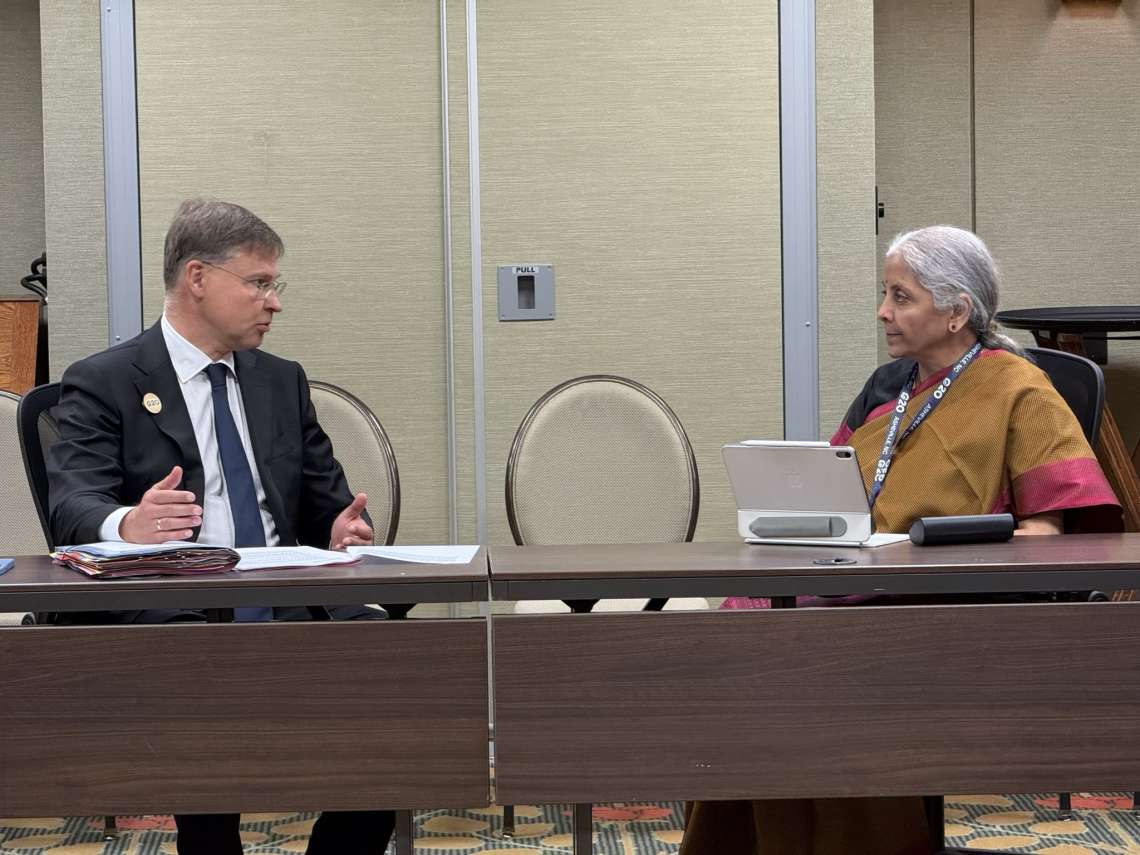
India’s automotive industry is experiencing a massive boost following the implementation of GST 2.0, with car sales more than doubling to over half a million units in just a month, according to Finance Minister Nirmala Sitharaman.
The Finance Minister took to social media to highlight the success of the tax reform, noting that from September 22 — when the new GST regime came into effect — through the Diwali season, the retail sale of passenger vehicles is estimated to have reached between 650,000 to 700,000 units.
“The GST 2.0, which came into force a month ago, has given a significant push to the automotive industry, with car sales more than doubling,” Sitharaman posted on X, citing a media report.
This surge is largely credited to the reduction in GST on small cars from 28% to 18%, slashing acquisition costs by up to ₹1 lakh — a significant incentive, especially for buyers in Tier 2 and Tier 3 cities. The timing aligned perfectly with India’s festive shopping season, creating the perfect storm of demand, affordability, and sentiment.
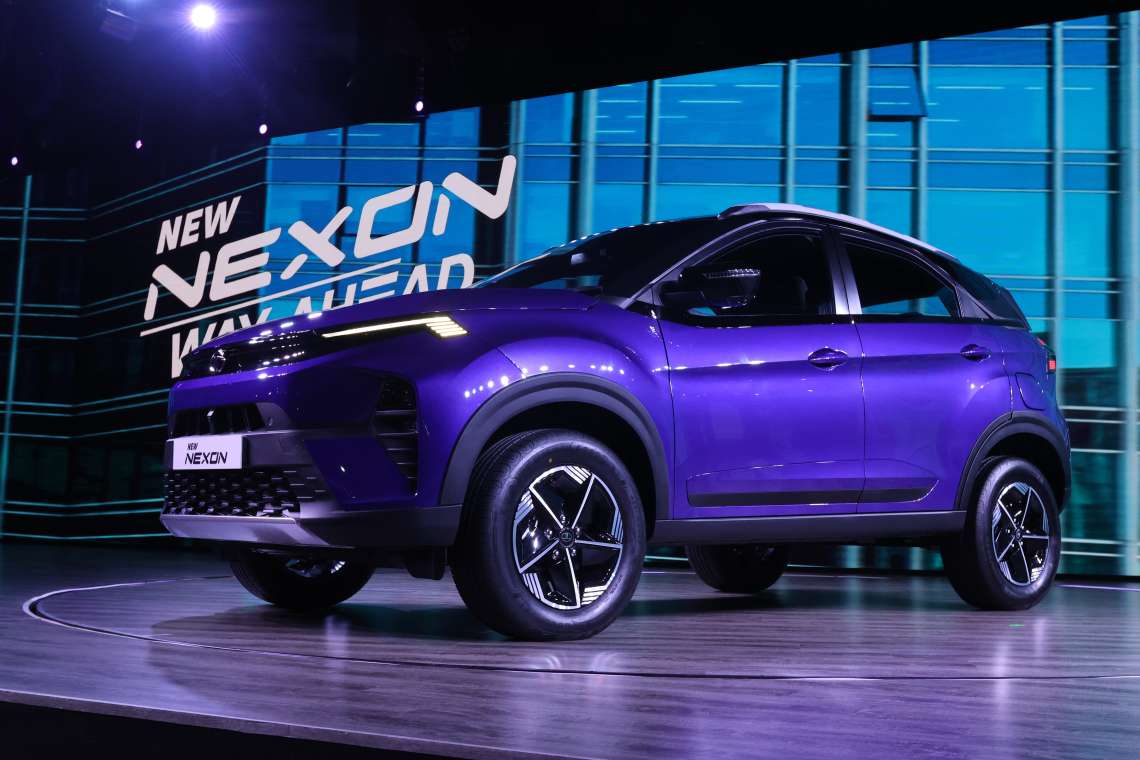
Tata Motors reported delivering over 1 lakh vehicles during the Navratri-to-Diwali window, marking a 33% year-on-year jump in sales, with SUVs leading the charge. Maruti Suzuki, meanwhile, continued to dominate as the market leader.
But the festive boom isn’t just about sales numbers. The Confederation of All India Traders (CAIT) estimated that Diwali spending in 2025 reached a record ₹6.05 lakh crore, a leap powered by both GST cuts and a growing preference for swadeshi (local) products. This consumer-led surge reportedly created nearly 50 lakh temporary jobs across logistics, transport, retail, and packaging sectors.
A fresh report by Grant Thornton Bharat sheds more light on this shifting consumer behaviour. As many as 41% of Indian consumers now plan to buy a vehicle within the next 3–4 months — a statistic directly tied to the anticipation and arrival of GST 2.0.
Interestingly, consumer preferences are also evolving. Hybrid vehicles are now more popular than petrol or electric vehicles, with 38% of buyers leaning toward hybrids. SUVs remain the most sought-after body type, accounting for 64% of all preferences.
Another emerging trend is rising awareness around safety. Over one-third of respondents said they now prioritise safety over price and mileage — a sign of a maturing consumer base influenced by stricter crash test standards and better information.
There’s also a notable shift in how people shop for cars. About 52% of buyers now use a combination of online and offline channels, with social media and car apps playing an increasingly critical role in the decision-making process.
The SIAM (Society of Indian Automobile Manufacturers) data confirms the momentum. Passenger vehicle sales rose 4.4% in September to 3.72 lakh units — a new monthly high — even though GST 2.0 had been in effect for just nine days of the month. Two-wheeler and three-wheeler sales also recorded solid growth.
SIAM President Shailesh Chandra called GST 2.0 a “landmark reform” with the power to “catapult the Indian auto industry to the next level” and inject vitality across the economy due to its strong backward and forward linkages.
With the festive season’s momentum and GST-driven affordability, the Indian auto sector appears poised for a strong finish to FY25 — and possibly a new era of growth.